
As human beings, we can be carried away by our emotions, set reason aside, and act out of anger, sadness, or even happiness.
An argument is something we have all faced or will face at some point. It’s inevitable, since we won’t always agree with how others think and act, especially when their actions are directed at us.
Unfortunately, our emotions, pride, and other factors can make us turn a problem into something much bigger than it was to begin with. When we’re angry, we say things we don’t really mean, humiliate and hurt others, and ultimately resolve nothing. Instead, things get worse, and we may lose people we truly care about.
Emotional intelligence doesn’t receive the attention it should in schools. If we were taught to manage our emotions better from an early age, we would probably have avoided a few problems by now.
How to Resolve an Argument
But don’t worry—today I’m here to share some tips for handling an argument more wisely. They may not be easy to follow at first, but with practice, they’ll become easier to stick to.
BREATHE AND COUNT
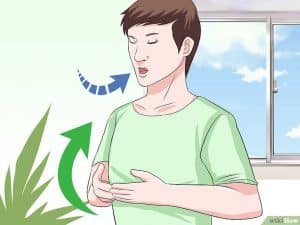
Although this is the best-known technique, many of us forget to use it. People often tell us, “Breathe, breathe, calm down,” which can make us even more upset. But they say it for a reason: when we get angry, we’re affected both mentally and physically. We sweat, our heart rate increases, we feel hot, and we become agitated. Breathing helps these symptoms subside. Counting as we breathe also distracts our minds and helps calm us down.
If the argument has upset you, I recommend taking a moment to try this technique.
BETTER TO WAIT

We all know how we react during an argument. We know exactly when we’re about to lose control, don’t we? We know, but we choose to ignore it.
Listen to your body and your instincts. If you know you’re going to become aggressive or won’t be able to have a reasonable conversation, it’s best to step away. I don’t mean running away and never bringing up the subject again. Simply let the other person know you’re upset and need a moment. Leave the room, get some fresh air, clear your head, and try to regulate your emotions. If you can’t do that right away, suggest continuing the conversation tomorrow or another day when you know you’ll be able to discuss it more calmly.
Sometimes people get caught up in arguing or shouting, and the thought that we’re leaving upsets them even more because they want to keep insulting or hurting us. Don’t react to their provocations. If they keep shouting or threatening you after you’ve said you need to leave, walk away.
You have the right to decide whether to stay or leave. No one can force you to stay somewhere you don’t want to be, much less make you remain in the upset state you’re in.
[irp posts=»234″ name=»Tips for Practising Assertive Communication»]
PREVENTING AN ARGUMENT IS BETTER

You may not have realised it, but a heated argument you’ve had could have been avoided much earlier.
Sometimes another person’s behaviour bothers us—the way they speak to us, certain things they do, or the way they make us feel humiliated or attacked. But because we want to avoid a problem, we choose to keep quiet about it. Over time, it builds up until we eventually explode.
So I recommend talking things through from the start. Why? Because that way, you can discuss the issue without being on the verge of wanting to kill the other person. They may appreciate your honesty and do something about it, or they may not care. In that case, it’s better to say goodbye to the toxic people in your life who don’t care about your feelings. If they’re someone worth keeping in your life, I’m sure they’ll listen.
Meditation is a great way to learn to manage our emotions more wisely. Music, painting, dancing, or playing a sport can also help us connect with our minds, feelings, and bodies.