
The job market is becoming increasingly competitive, so it’s essential to prepare well in advance for a job interview. Doing so will give you an edge.
Preparing for an interview generally serves two essential purposes:
- convincing the interviewer through your answers and behaviour.
- Determining whether the position meets your personal and professional aspirations.
Keep in mind that the job interview starts as soon as you’re invited to an appointment. If you want to learn how to prepare and succeed, keep reading this article.
Update Your CV
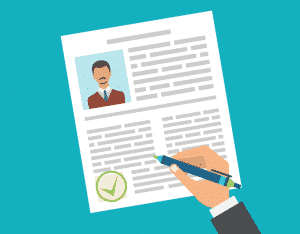
Remember, updating your CV isn’t something you should do only when you have a job interview coming up. Our goals change over time, and it’s also important to add any courses you’ve taken—don’t forget to include even small details.
Try to refresh your CV rather than keeping the same format you used when you first applied for a job. If you’re not sure how to design one, there are plenty of templates online, so you can choose one that suits your preferences.
Your CV should include your academic achievements, diplomas, courses, languages, computer skills, personal goals, values, work experience and personal details (email address, phone number, full name and address). I recommend leaving out social media accounts. Employers now look at your profiles to get an idea of your personality and what you do, so be careful—or create a separate professional profile for work.
It’s very important to know your CV inside out, because you may be asked to talk about it or explain why you included something. This will only make you nervous if you’re unprepared.
What to Wear

Your professional appearance isn’t the most important thing, but it’s what people notice first. A polished, elegant look will help you stand out and convey formality and professionalism.
Try to wear a suit that is neatly pressed, tidy and the right length. This will show that you’re organised and capable of managing things within an organisation.
[irp posts=»605″ name=»5 tips for maintaining and improving your professional image»]
Research the Company

Learn at least the basics about the company. It’s very important to research its main functions, organisational structure, vision, mission, goals, values and history. Taking the initiative to learn about the company will help you ask relevant questions and answer clearly. You’ll feel less nervous knowing you’re prepared.
I think most people go to a job interview hoping to impress the interviewer. You should aim to do this, as it shows that you’re committed and professional. Keep the company’s goals in mind, but don’t forget your own!
Try to set new goals that work for both sides. Even though you’ll know a lot about the company, don’t forget to talk about yourself—that’s even more important.
Relax and Be Yourself

Don’t let your nerves get the better of you; they won’t help at all. Focus on relaxing and being yourself. This will help you answer the interviewer’s questions with greater focus and clarity.
If possible, research questions you might be asked, write down your answers and review them. But don’t memorise anything. Just prepare, then answer in a way that reflects your thoughts and personality and conveys what you want to get across.
One more important point: if the interviewer seems a little intimidating, don’t worry—they won’t bite. Well, hopefully! Don’t let yourself be intimidated. Not everyone is friendly, so stay focused on being yourself and answering everything clearly.
Behaviour

It may sound a little strange, but the goal of an interview is to sell yourself. One of the key aspects of verbal communication is speaking clearly and using the right tone. Try to familiarise yourself with the language used at the company, and answer questions clearly and confidently while showing that you have a positive attitude. But be careful not to come across as arrogant, as that will count against you, just like poor non-verbal communication…
This is what I mean by your body language: try to maintain a confident posture, look straight ahead, and pay attention to what the interviewer is saying. Keep your hands by your sides. If you keep them hidden or in your pockets throughout the interview, it may give the impression that you are hiding something and that you cannot be trusted by the company.
Try to sit comfortably, because any discomfort will show. Tie your hair back, or at least keep it out of your face; if you keep touching it, you may send flirtatious signals. If moving your hands makes you feel a little more confident, do so—it can help you relax. But be careful: only move them a little. Excessive hand movements may make you seem anxious and even aggressive.
If your goal is to impress the interviewer and, above all, feel prepared and confident, follow these steps to have a successful job interview.
Personally, I think you can prepare for almost anything. If you take the time to organise each important thing coming up in your life, you’ll see that the results can be very positive and that you’ll have a better chance of achieving what you want.