Diet is one of the things we need to take care of to keep our bodies completely healthy. Food and water provide the body with the nutrients and hydration it needs to function at its best. Our bodies refuse to give up, and even when we feed them junk food or food with little nutritional value, they keep going until problems eventually start to show.
Of course, it's much easier to order food delivery from the office than to wake up a little earlier than usual to make lunch. But when you eat home-cooked meals that meet your nutritional needs, your body will thank you now and in the future.
On the other hand, if the problem isn't a lack of time or money but a lack of motivation—because you think eating a balanced diet means too many restrictions or takes more effort than you're willing to put in—take a look at these recommendations for making real changes to your diet without suffering or giving up the foods you enjoy:
The 7 tips for eating more healthily:
1. The key is balance
Eating well doesn't mean removing your favorite dishes from your diet or pretending certain foods don't exist. Not at all. Rather than focusing on restrictions, eating a balanced diet means making sure you eat a variety of food groups every day. People who follow diets often drastically cut carbohydrates, avoid dairy, or cut out certain types of meat, for example.
When you eat a balanced diet, you don't need to do that. Just make sure your plate includes small portions from different food groups, as each provides vitamins that benefit different systems in your body.
Once you understand this, you'll realize you don't need to go hungry or anything like that. In fact, you may need to eat more—but choose higher-quality foods.
2. Start with your shopping
If you want to eat healthily, one of the first places to focus your efforts to improve your willpower is the supermarket or wherever you do your shopping. Make a list and stick to it as closely as possible. Buy small portions from every food group rather than large amounts of just a few. Choose fresh, natural foods over processed ones, too.
Keep in mind that the main dietary problem people face today is excess, which is never good for you. You don't need to become a fitness obsessive; just be a little more mindful, which will make it easier to put this new habit into practice.
3. Follow the colors
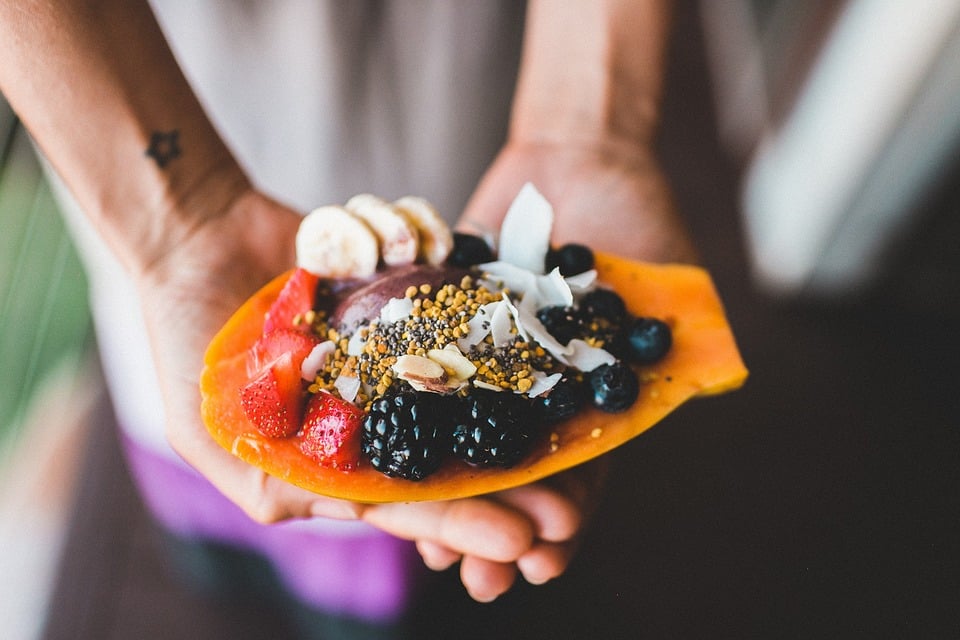
The different colors of foods indicate that they provide different nutrients, so if your plate is colorful, you're on the right track. Another important tip is to include some green in your meals. Vegetables contain so many of the nutrients we need most throughout the day.
4. Swap
Instead of buying packaged snacks such as sweets or processed salty foods, choose fruit like apples, bananas, or oranges, and/or nuts that are easy to take with you. That way, not having a healthy option on hand won't get in the way of your new eating habits.
6. Get organized
If you plan ahead, you can take your own food to work without having to wake up much earlier. You just need to get a little more organized. For example, you can prepare part of your meal at night and finish it in the morning. Spreading out the preparation makes you more likely to stick with it.
It can also help to plan your meals at the start of the week and do some of the preparation in your free time. For example, chop vegetables, clean and prepare your protein, or divide food into portions so it's easier to cook later.
Being organized is essential. Without a plan, it's much easier to give up when you feel overwhelmed. But if you organize yourself, you can tackle each task one at a time without letting any of them become a major problem.
7.- Treat this change as a priority
When you start eating better, you’ll perform better, which will have a positive impact on other areas of your life. What’s more, when you see nutrition as one of the most important aspects of your life and make it a priority, you’ll stop neglecting it and start taking steps to improve it significantly.