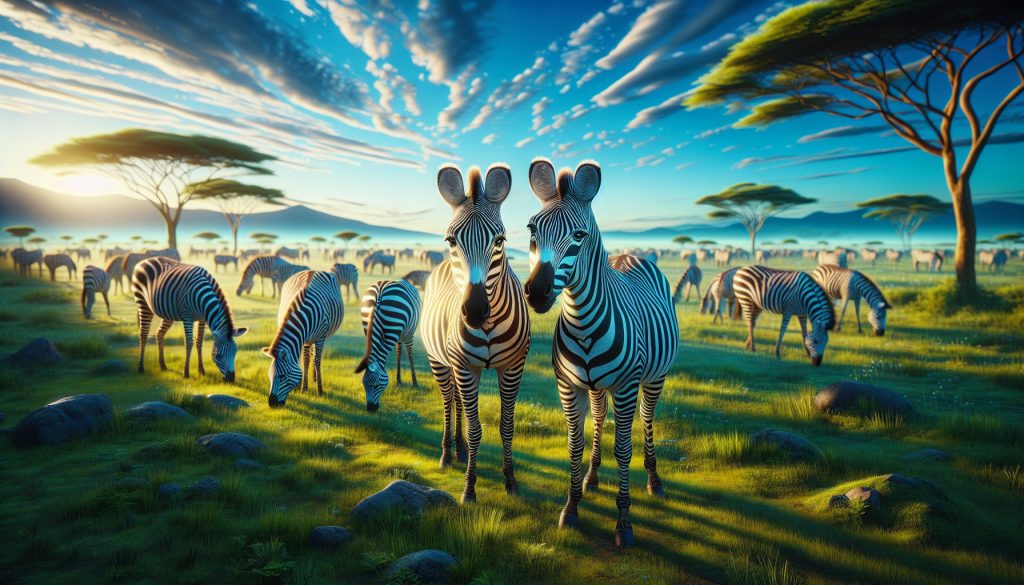
Zebras are fascinating animals that have intrigued many people with their striking coats. The question of whether they are black with white stripes or vice versa has sparked an interesting debate among scientists and nature lovers. This article explores the true coloration of zebras and the theories behind their unique features.
As we delve into the world of zebras, you'll discover valuable information about their color, the purpose of their stripes, and other fascinating facts about these incredible animals.
Why do zebras have stripes?
Zebra stripes are more than just visually striking; they serve several purposes that have intrigued scientists. First, it has been suggested that stripes may provide camouflage in their natural habitat in Africa. This unique pattern may help zebras blend in with the grass and trees around them, making them harder for predators to spot.
In addition, stripes have been shown to help protect zebras from insects. Studies suggest that insects such as tsetse flies are less likely to land on striped surfaces, which may provide a significant health benefit for zebras on the savanna.
- Stripes can act as a defense mechanism.
- They help regulate body temperature by creating air currents over the skin.
- The stripe pattern can help individuals in a herd recognize one another.
On the other hand, each zebra's unique stripe pattern is comparable to human fingerprints. This means no two zebras are alike, adding to these animals' fascination.
Is a zebra a white animal with black stripes or a black animal with white stripes?
This is one of the most enduring debates about zebras. According to recent studies, most scientists agree that zebras are black with white stripes. This conclusion is based on the observation that their skin is black, and the white stripes represent an absence of pigment.
The key to this coloration lies in zebra genetics. Melanocytes, the cells responsible for producing melanin, give their coats their color. In zebras, these melanocytes are responsible for black pigmentation, while the white areas result from a lack of this pigment.
The true coloration of zebras has been studied for years, and although there are exceptions, such as the albino zebra, most zebras fit this description.
What animal has a black-and-white striped face?
Without a doubt, the animal best known for its black-and-white striped face is the zebra. However, other animals also have similar patterns, though they are less common. The Bengal tiger, though better known for its orange and black stripes, may be considered in this context because of its distinctive pattern. There are also some types of foxes with striped coats.
However, zebras stand out among these animals because of their unique and striking pattern, which has earned them a special place in African wildlife. In addition, their social behavior and the way they gather in herds make their appearance even more intriguing.
What color are zebras when they are born?
At birth, zebras have coats that are mostly brown with white stripes, rather than black. This coloration helps them camouflage themselves in their natural surroundings, which is crucial to their survival in the first days of life. Over time, as they grow, their black coats become more prominent, and the stripe pattern becomes more visible.
Newborn foals are very vulnerable, and their initial coloring helps protect them from predators. Their bond with their mothers is also crucial during this time, as zebras are social animals that care for one another in their herds.
This color-changing process is also a reminder of how zebra genetics influences their appearance throughout their lives, revealing the complexity of their development and adaptation.
Are zebras black with white stripes as a joke?
The claim that zebras are black with white stripes has been the subject of jokes and playful banter. However, this “joke” is based on scientific fact, since genetic evidence supports their black coloration. This has given rise to a popular play on words and become a fun topic among people who study African wildlife.
Using this claim for humor shows how science can become intertwined with culture and how we perceive the natural world. But beyond the humor, it is important to remember that zebras are complex animals that deserve serious study and a deeper understanding of their characteristics.
Albino zebras: Do they exist in the wild?
Albino zebras are extremely rare in the wild. This phenomenon is caused by a genetic mutation that affects melanin production, resulting in a completely white coat. Despite their rarity, some zoos have documented albino zebras, which stand out for their unusual appearance.
An albino zebra is more vulnerable in the wild because of its coloring, making it more susceptible to predators. For this reason, it is unlikely to survive in the wild without the protection of a herd.
Although they are a genetic curiosity, albino zebras also raise questions about diversity and the importance of zebra genetics and genetics in other animal species.
Related questions about zebras and their coloring
What is the true color of zebras?
Zebras are actually black with white stripes. Research has supported this, confirming that their underlying coat color is black, while the white stripes are areas without pigmentation. This characteristic has sparked interesting debates about these animals’ coloring.
Are zebras white with black stripes or black with white stripes?
As mentioned earlier, most experts agree that zebras are black with white stripes. This conclusion is based on observations of their skin and the genetics that determine their coloring.
Which animal has a black-and-white striped face?
The best-known animal with a black-and-white striped face is undoubtedly the zebra. However, other animals, such as some foxes, can have similar patterns, though they are not as prominent as a zebra’s.
Why are zebras black and white?
Zebras have this coloring because of the melanocytes in their skin, which determine their pigmentation. The white stripes result from a lack of pigment, and these features are thought to serve several purposes, including protection from insects and camouflage.