Saying goodbye to a loved one is difficult, and words can soothe the soul. Beautiful epitaph dedications offer a way to keep the memory of those who have passed away alive, reflecting who they were and the love we feel for them.
Below, we’ll explore a range of ideas and tips for choosing moving words that honour the deceased while also comforting their loved ones.
What are the best beautiful dedications for headstones?
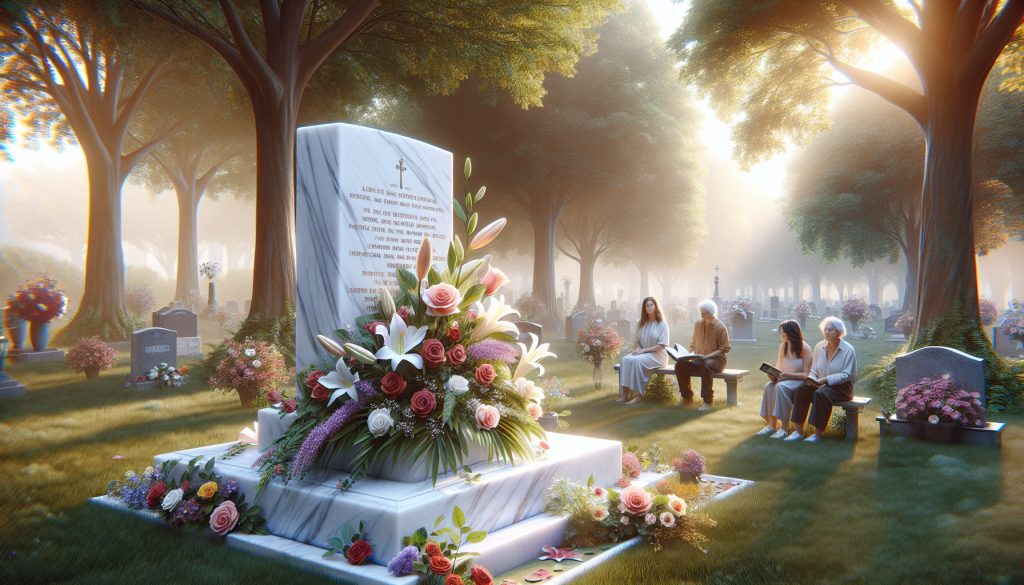
Choosing a fitting dedication for a headstone can be a deeply personal and meaningful act. Beautiful epitaph dedications can range from poetic quotations to simple messages that capture the essence of a loved one.
- “Always in our hearts, never forgotten.”
- “Your love is our legacy. Until we meet again.”
- “The stars shine brighter because of you.”
- “Life is a journey, and you taught us how to love.”
It’s also important to consider words that reflect the personality and character of the person who has died. A phrase that brings to mind a special memory may be more moving than an elaborate one.
How do you choose short epitaphs for parents?
When honouring a mother or father, it’s best to choose short epitaphs for deceased parents that capture their love and legacy. These words should reflect the special bond you shared.
For example, some options might be:
- “You will always be our guide and protector.”
- “Your embrace is the home I will always seek.”
- “You are the sunshine in our hearts.”
Consider including a loving nickname or a phrase that recalls a special family moment. This adds a personal, unique touch.
What memorial sayings are suitable for remembering a loved one?
Memorial sayings should be chosen with care, as they become a legacy for future generations. Words that highlight the impact someone had on the lives of those who knew them are ideal.
Some suggestions include:
- “Your laughter lives on in us.”
- “A heart as big as yours is never forgotten.”
- “The love we shared transcends time.”
Remember, what matters is that the words resonate with you and the memory of the person you wish to honour. Sometimes, a single word can hold profound meaning.
What are the most heartfelt sayings for a headstone?
The most heartfelt sayings for a headstone often carry a powerful message. They often reflect the sadness of loss, but also celebrate a life well lived.
Some of the most moving sayings might include:
- “We will never forget you; you will always live on in our memories.”
- “Life is a whisper, but your love is eternal.”
- “Here lies one who loved deeply.”
These words can inspire and comfort those left behind, reminding them that although their loved one is no longer here, their essence remains in our hearts.
What are some original ideas for loving words on a headstone?
Love is a recurring theme in loving words to remember a loved one. When choosing words for a headstone, you can opt for a message that reflects the special nature of your relationship.
Some original ideas include:
- “Our love is a maze I’ll never lose my way in.”
- “Though you are physically absent, you will always be a part of me.”
- “Your love was my refuge, and it always will be.”
Consider using metaphors that represent eternal love, such as the sea, the stars or the sun, to make the inscription even more meaningful.
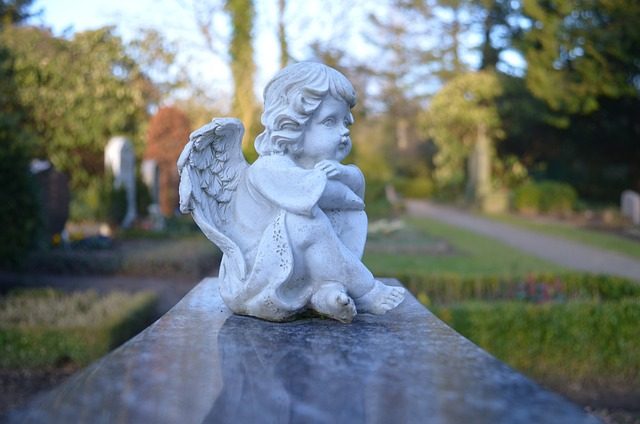
How to Personalize Headstone Inscriptions
Personalizing headstone inscriptions is a way to make them unique and meaningful. You can include moving headstone inscriptions that reflect the deceased’s personality and passions.
Here are a few ways to personalize an inscription:
- Include one of the deceased’s favorite sayings.
- Add symbols or images that represent their interests.
- Use a writing style that reflects their personality.
Remember that every detail matters. Personalizing the inscription can help make the headstone a more authentic and cherished place of remembrance.
What Are Some of the Most Famous Epitaphs, and What Do They Mean?
Epitaphs are phrases or inscriptions on headstones that honor someone’s memory. Some of the most famous feature messages that have stood the test of time and reflect the essence of the people they commemorate.
For example:
- “Here lies a man who lived life to the fullest.”
- “Death is not the end; it is only a new beginning.”
- “Loved by many, forgotten by none.”
These epitaphs not only remind us of the life of someone who has passed away, but also invite us to reflect on our own existence and legacy.
Frequently Asked Questions About Headstone Dedications
What can you write on a loved one’s headstone?
On a headstone, you can write a dedication that reflects your relationship with the deceased. This might include moving phrases to remember someone who has passed away, shared memories or even a quote they cherished. It is essential to choose meaningful words that express the love you felt.
You can also keep it simple by including their name, dates of birth and death, and a term of endearment. The important thing is that every word resonates with the legacy that person left in your life.
What can I put on a headstone?
A headstone can include a range of details, from the deceased’s name to personal headstone inscriptions. You can add a short phrase or an epitaph that captures the essence of their life, as well as images or symbols that represent their passions.
For example, if the person loved music, a musical symbol might be appropriate. Remember that every detail can make the headstone an authentic reflection of who they were.
How do you write a dedication to someone who has passed away?
Writing a dedication to someone who has passed away is an intimate process. First, reflect on your relationship with that person and the impact they had on your life. Then choose words that truly capture their qualities and the love you shared.
Once you know what you want to express, you can choose a simple phrase or write a short poem. Remember, the goal is to pay tribute and keep the memory of someone who is no longer here alive.
What is a good phrase for an epitaph?
A good epitaph should be brief but powerful. It could be something like “Always in our hearts” or “Love is never forgotten.” These phrases capture the essence of the person and how they lived on in the hearts of those who loved them.
Choose words that reflect the deceased’s values and personality. An epitaph is a silent cry that endures through time, so make sure it resonates with the life they lived.