
Stevia is a natural sweetener that has gained popularity in recent years, not only for its sweet taste but also for the benefits of stevia for health. Originally from Paraguay, this plant has become a popular choice for those looking for alternatives to sugar. In this article, we’ll explore the many benefits and properties of stevia.
What Is Natural Stevia?
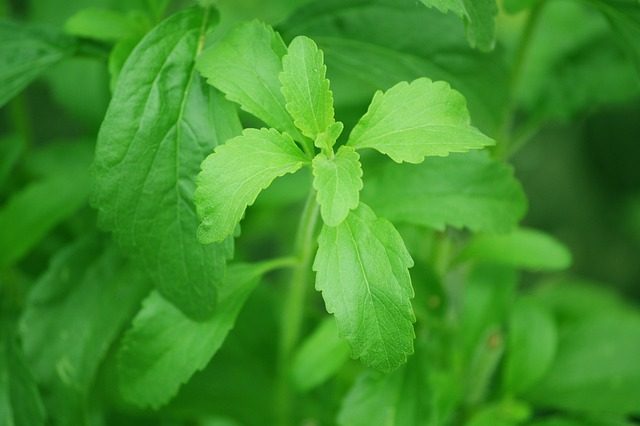
Natural stevia comes from the Stevia Rebaudiana Bertoni plant, whose leaves contain glycosides responsible for its sweetness. These glycosides, such as stevioside and rebaudioside, are between 15 and 30 times sweeter than sugar, making stevia an appealing alternative for those looking to reduce their calorie intake.
In addition to its sweetening power, stevia stands out for its lack of calories, making it ideal for people looking to manage their weight. It can be consumed in various forms, such as powder, liquid, or even in infusions, making it easy to include in different diets.
What Are the Health Benefits of Stevia?
The benefits of stevia are varied and have been the subject of numerous studies. Here are some of the main ones:
- Blood sugar regulation: Stevia does not affect glucose levels, making it safe for people with diabetes.
- Antibacterial properties: Stevia has been shown to have antibacterial effects that may help fight infections.
- Diuretic properties: Stevia may help the body eliminate fluids, which can be beneficial for people who experience fluid retention.
- Vasodilatory properties: It has been observed that stevia may help regulate blood pressure, supporting cardiovascular health.
These are just some of the health benefits of stevia. Regular consumption may contribute to a healthier, more balanced life.
What Properties Does Stevia Have?
Stevia is not only a natural sweetener; it also has various medicinal properties. Some of the most notable include:
1. Antioxidant properties: The glycosides in stevia act as antioxidants, fighting cell damage caused by free radicals.
2. Anti-inflammatory properties: Stevia may help reduce inflammation in the body, which can be beneficial in preventing chronic diseases.

3. Immune system support: Regular consumption may help strengthen the immune system.
These properties make stevia a valuable ingredient not only for its ability to sweeten, but also for its potential health benefits.
How Is Stevia Produced?
Stevia production involves several essential steps. First, the plant's leaves are harvested and dried. The glycosides are then extracted through processes that may involve using water or specific solvents to preserve their natural properties.
Once the extracts have been obtained, they can be concentrated and processed into different forms, such as powder or liquid. This process ensures that the benefits of stevia are preserved and that the final product is safe to consume.
What Are the Contraindications of Stevia?
Although stevia is generally safe for most people, there are some contraindications to keep in mind. Some people may experience allergic reactions, although this is uncommon.
In addition, consuming too much stevia may make other foods taste less sweet, which can affect your perception of taste. For this reason, it is best to use it in moderation, especially when first adding it to your diet.
What Forms Does Stevia Come In?
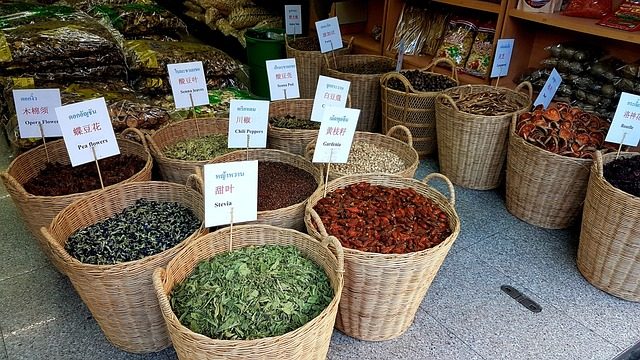
Stevia is available in several forms, each suited to different uses. The most common are:
- Powdered stevia: Ideal for sweetening drinks and food.
- Liquid stevia: Perfect for adding to herbal teas or desserts.
- Stevia tablets: Convenient to carry and use anywhere.
These forms let you choose the type of stevia that suits your preferences and use it in a variety of ways in the kitchen.

Is Stevia Safe to Consume?
Stevia has been approved by various health organizations as a safe sweetener. The World Health Organization (WHO) and the Food and Drug Administration (FDA) have assessed its safety and determined that consuming it poses no significant risks.
In addition, because stevia contains no calories and does not affect blood glucose levels, it is an ideal option for people looking for healthier alternatives to sugar.
Frequently Asked Questions About the Benefits and Properties of Stevia
What Happens If I Take Stevia Every Day?
Daily consumption of stevia is considered safe for most people. However, it is advisable to consume it in moderation. Regular use may offer benefits such as helping regulate blood pressure and control blood sugar. However, if you experience any adverse reactions, consult a healthcare professional.
What Health Benefits Does Stevia Have?
Stevia offers several health benefits, including helping regulate blood glucose levels, as well as antibacterial and diuretic properties. Because it sweetens without adding calories, it is ideal for people with diabetes or those looking to lose weight. Its antioxidant properties also help combat oxidative stress in the body.
Which is healthier: sugar or stevia?
From a health perspective, stevia is generally considered healthier than sugar because it contains no calories and does not raise blood glucose levels. Over time, sugar can contribute to problems such as obesity and type 2 diabetes, while stevia offers an alternative that can be part of a balanced diet.
How healthy is stevia?
Consuming stevia in moderation is safe and may benefit your health. It lets you sweeten food and drinks without adding calories or affecting blood glucose levels. However, it is important to choose high-quality products and avoid those containing additives or artificial ingredients.