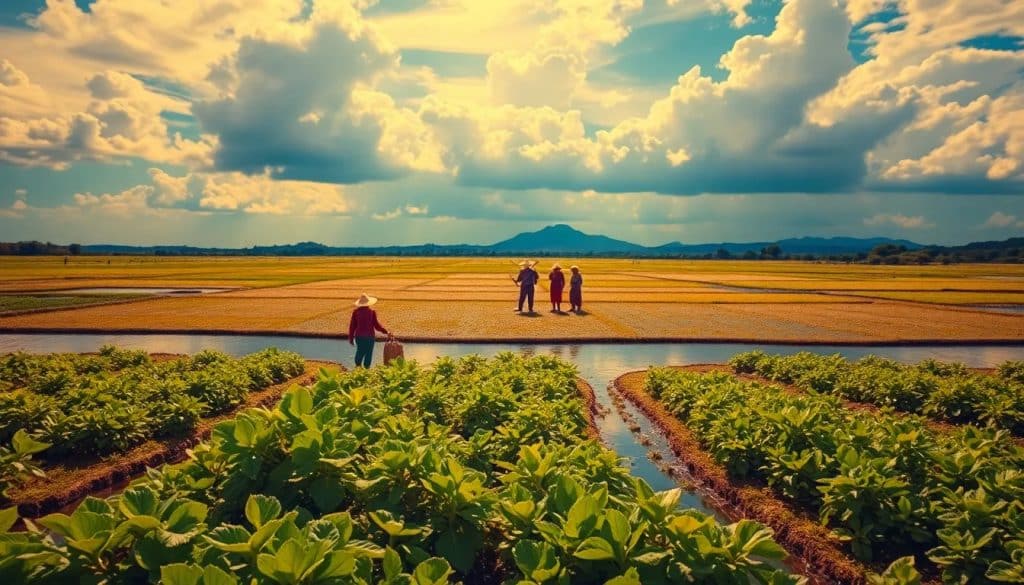
Chinampas are an agricultural legacy of the Aztec civilization that has endured over the years. This farming method, developed in lake regions, has proved crucial for food production in areas such as Xochimilco and Tláhuac. The chinampa technique is recognized for its sustainability and efficiency, allowing multiple harvests each year in fertile, well-irrigated soil.
The importance of chinampas lies not only in their immediate benefits for agriculture, but also in their relevance to environmental conservation and biodiversity. This article will explore chinampas: the Aztecs and their farming techniques, their history, and their impact on modern agriculture in depth.
What are chinampas, and how do they work?
Chinampas are a farming system that involves creating artificial islands in lakes and wetlands. The method is based on building growing platforms surrounded by water, allowing water resources to be used efficiently. Chinampas are formed by combining mud, plants, and organic matter to create fertile land.
Chinampas work in a remarkably ingenious way. Natural irrigation keeps crops hydrated, even during droughts. Chinampas also foster a microclimate that supports the growth of a variety of plant species. This farming system can produce up to three harvests a year, making it highly productive.
Chinampas are also an example of sustainable agriculture, as they require minimal use of chemical fertilizers and pesticides. Using lake water reduces the need for artificial irrigation, helping to conserve water resources. This method has proved effective not only in Aztec times, but also today, as people seek more responsible and environmentally friendly agriculture.
What is the history of Aztec chinampas?
The history of chinampas dates back to ancient Mesoamerican civilizations, but the technique reached its peak during the height of the Aztec civilization. Chinampas were used to increase food production in the basin of Tenochtitlan, the Aztec capital. This system enabled the Aztecs to feed themselves efficiently and support a growing population.
Chinampas became popular in 1519, when the Spanish arrived in the region. Despite the social and political changes that followed the conquest, this farming method remained in use, especially in areas such as Xochimilco and Tláhuac. For centuries, chinampas have symbolized cultural resilience and adaptation.
The history of chinampas and their legacy has been passed down from generation to generation, and their importance is now recognized as part of a UNESCO World Heritage Site. Recent studies have shown that this agricultural system is not only a link to the past, but also a viable solution to contemporary agricultural challenges.
How are crops grown on chinampas?
Chinampa farming follows a unique process adapted to the conditions of the floating islands. Farmers create channels between the growing platforms, providing easy access to water and nutrients. This design supports plant growth and makes harvesting easier.
Specific techniques used to grow crops on chinampas include:
- Crop rotation: This helps maintain soil fertility and prevent pests and diseases.
- Use of organic fertilizers: Plant and animal matter is added to enrich the soil.
- Natural pest control: The biodiversity in the chinampa ecosystem helps control pests effectively.
The most common crops on chinampas include vegetables, flowers, and aromatic herbs. This system allows farmers to adapt to climate conditions and market needs, supporting the production of fresh, high-quality food.
What kinds of crops are grown on chinampas?
Chinampas provide ideal conditions for growing a wide variety of crops. Rich soil and access to water allow farmers to experiment with different types of plants. Some of the most common include:
- Vegetables: Lettuce, tomatoes, and zucchini are among the vegetables grown on chinampas.
- Flowers: Growing ornamental flowers, such as marigolds (cempasúchil), is common practice.
- Herbs: Aromatic herbs such as cilantro and epazote are grown and highly valued in Mexican cuisine.
This farming system allows producers to diversify their offerings and respond to local market demand. In addition, chinampa farming contributes to agricultural biodiversity by encouraging the cultivation of native and local species.
How do chinampas contribute to biodiversity?
Chinampas are not just a method of agricultural production; they also play a crucial role in conserving biodiversity. By creating a lake ecosystem, they encourage a variety of plant and animal species to coexist.
Chinampas are home to a wide variety of species, from fish and birds to pollinating insects. This diverse environment allows crops to benefit from natural pollination and biological pest control. In addition, integrating different cultivated species strengthens the ecosystem's resilience to climate change and disease.
Environmental conservation is another important aspect of chinampas. Using a natural irrigation system reduces reliance on groundwater and minimizes the impact on water resources. This is especially important amid climate change and water scarcity.
Why are chinampas important today?
The legacy of chinampas is not limited to their use in ancient times. Today, this farming system plays a key role in finding sustainable solutions for urban agriculture. Chinampas offer significant benefits, including:
- Fresh food production: They make it possible to grow fresh, local produce, improving public health.
- Food self-sufficiency: They contribute to food security in urban areas by reducing reliance on imported products.
- Green spaces: They help preserve natural spaces in urban settings and promote biodiversity.
In addition, chinampas are an example of sustainable agriculture that can inspire practices in other contexts. Interest in environmental conservation and responsible food production has led to renewed interest in this ancient system.
Frequently Asked Questions About Chinampas and Their Agricultural Legacy
How Did the Aztecs Farm on Chinampas?
The Aztecs farmed on chinampas using an ingenious system that combined land and water. This method allowed crops to grow in a highly sustainable environment. The Aztecs built islands of soil in lakes and canals, where they planted vegetable and flower seeds.
A constant supply of water supported irrigation and plant growth, resulting in abundant, healthy harvests. The Aztecs also used crop rotation and organic fertilisers, which helped them maintain soil fertility over time. This agricultural approach not only provided food but also sustained an entire local economy.
What Farming Techniques Did the Aztecs Use?
The Aztecs used a variety of farming techniques adapted to their environmental conditions. They used crop rotation to maximise production and prevent soil depletion. They also built canals to irrigate their crops, ensuring a constant water supply.
The Aztecs also used organic fertilisers, including plant matter and manure, which enriched the soil and promoted growth. The variety of crops grown on chinampas also contributed to a balanced ecosystem, supporting the coexistence of different species and natural pest control.
How Did the Chinampa Farming Technique Work?
The chinampa technique involved creating cultivated islands surrounded by water, which made irrigation and plant growth easier. The system consisted of building earthen platforms in the lake, where different plant species were grown.
The key to the success of chinampas was the combination of natural materials, such as mud and organic matter, which promoted soil fertility. This innovative approach allowed the Aztecs to establish a highly productive agricultural system that could support a growing population and make a significant contribution to Tenochtitlan's economy.
What Crops Are Grown on Chinampas?
Thanks to their rich biodiversity and fertile soil, chinampas support a wide variety of crops. Common crops include vegetables such as tomatoes, lettuce and courgettes. Flowers, especially marigolds, are also grown, along with aromatic herbs such as coriander and epazote.
This farming system allows farmers to enjoy multiple harvests each year, adapting to climate conditions and market demand. The variety of crops produced on chinampas not only benefits growers economically but also contributes to the region's agricultural biodiversity.