
Tai Chi and Chi Kung are traditional Chinese practices that are often confused, but they have different approaches and goals. Both disciplines offer significant health and wellness benefits, but understanding the difference between tai chi and chi kung is crucial to choosing the right practice for your needs.
In this article, we’ll explore the characteristics, origins, and benefits of both practices, as well as answer common questions that can help you decide which one is right for you.
What Is the Difference Between Tai Chi and Chi Kung?
The main difference between tai chi and chi kung lies in their goals and approaches. Tai Chi is a martial art that incorporates flowing movements and combat techniques, while Chi Kung focuses primarily on health and energetic balance.
Both disciplines have roots in traditional Chinese medicine, but Tai Chi developed as a self-defense system, while Chi Kung has historically been used to improve health and longevity.
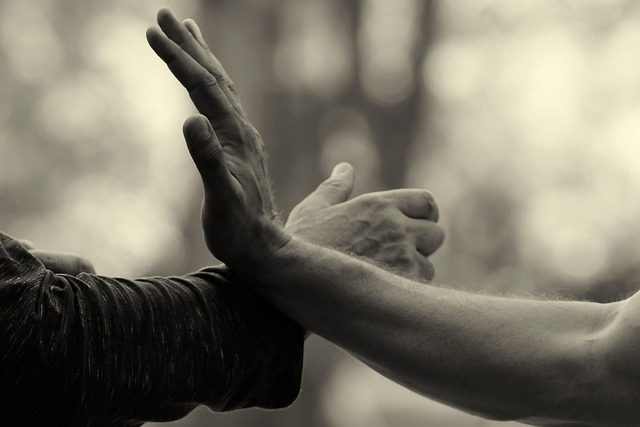
Chi Kung is typically practiced individually and focuses on mobilizing internal energy, while Tai Chi can involve interaction with others, encouraging physical contact and learning through partner practice.
What Is Chi Kung, and What Are Its Benefits?
Chi Kung, also known as Qigong, is an exercise system that combines gentle movements, deep breathing, and meditation. It is practiced to improve physical and mental health.
- Relaxation: Helps reduce stress and anxiety.
- Energetic balance: Improves the circulation of Qi, or vital energy, throughout the body.
- Physical health: Strengthens the immune system and helps prevent illness.
- Flexibility: Increases muscle and joint mobility and flexibility.
Chi Kung exercises are accessible to people of all ages and fitness levels, making them an excellent option for those who want to improve their well-being without physical contact.
What is the origin of tai chi and qigong?
Tai Chi originated in China in the 17th century and was developed over several generations by martial arts masters. Its focus on combat and self-defense set it apart from other traditional exercise systems.
Qigong, on the other hand, has a much longer history, dating back more than 5000 years. It is associated with Taoist practices and is based on the principles of traditional Chinese medicine.
Over the years, both practices have evolved and adapted, but their essence remains the same. Tai Chi has become popular worldwide as a gentle martial art, while Qigong has found its place in health and wellness programs.
What kinds of movements are practiced in tai chi and qigong?
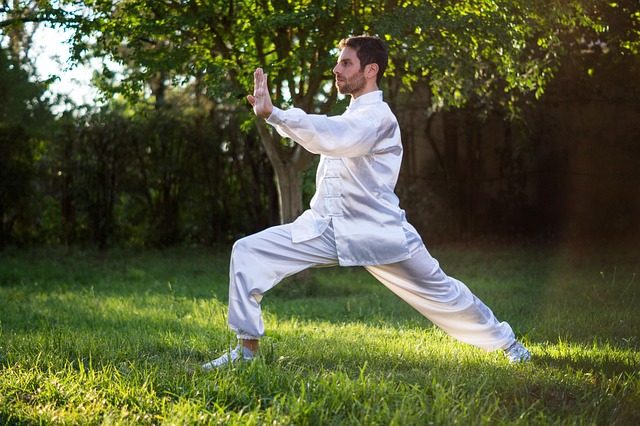
Tai Chi movements are slow and flowing, designed to imitate movements in nature, such as water and wind. This style of movement not only helps improve strength and flexibility but also promotes concentration and mental clarity.
By contrast, Qigong includes a variety of movements that can be simpler and focus on stretching and breathing. The exercises are generally less complex and focus on managing vital energy.
- Tai Chi movements: Flowing movements performed in sequences, with an emphasis on posture and alignment.
- Qigong movements: Simpler and more repetitive, focusing on breathing and relaxation.
Both practices are effective and can be adapted to individual needs, allowing everyone to enjoy their benefits.
How do you breathe when practicing tai chi and qigong?
Breathing is a fundamental part of both practices. In Tai Chi, breathing is usually synchronized with the movements, creating a harmonious flow that enhances concentration and relaxation.
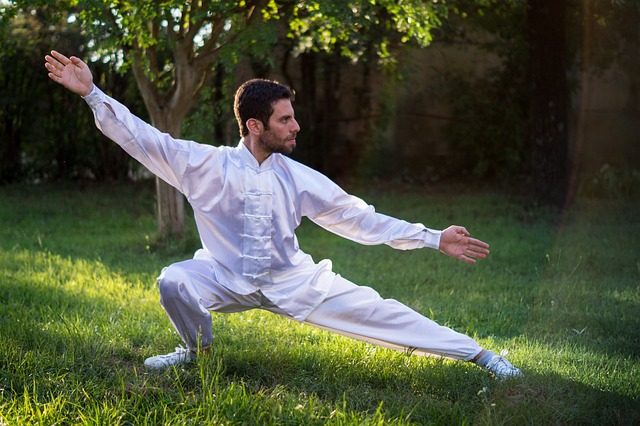
In Qigong, breathing is even more central, with specific techniques used to increase vital energy and promote health. Practitioners are taught to inhale and exhale deeply, helping to balance the body and mind.
Both disciplines promote diaphragmatic breathing, which is essential for maximizing lung capacity and improving the flow of energy. Learning to breathe correctly is crucial to getting the most out of each practice.
How do you choose between tai chi and qigong based on your needs?
Choosing between Tai Chi and Qigong depends on your personal goals. If you want to learn a martial art and improve your self-defense skills, Tai Chi may be the ideal choice.
On the other hand, if you’re looking for a practice focused more on health and wellness without physical contact, Qigong may be a better fit. It’s ideal for anyone who wants a form of exercise that can be adapted to their schedule and physical condition.
- Find an instructor: Research the instructor’s experience and training before making a decision.
- Try both: If possible, attend Tai Chi and Qigong classes to see which one resonates with you most.
- Set your goals: Think about what matters most to you: combat, health, tranquility, or meditation.
What are the benefits of practicing tai chi and qigong?
Both practices offer a range of benefits for physical and mental well-being. Practicing Tai Chi can improve strength, balance, and coordination, making it especially beneficial for older adults.
Qigong, on the other hand, focuses on preventive health and stress management, making it ideal for those seeking a gentler practice. Some of the health benefits of Qigong include lowering blood pressure and strengthening the immune system.
In short, both Tai Chi and Qigong can enrich your life. Choosing between them depends on your personal preferences and what you hope to achieve through your practice.
Frequently asked questions about practicing tai chi and qigong
What is qigong, and what is it used for?
Qigong is a set of exercises that combine movement, breathing, and meditation to promote health and well-being. It is used to improve the flow of Qi, relax the mind, and strengthen the body.
This practice is especially beneficial for people who want to reduce stress and improve their fitness without the intensity of other disciplines. By bringing these elements together, Qigong becomes a powerful tool for overall health.
What is tai chi, and what is it used for?
Tai Chi is a gentle martial art that originated in China and focuses on controlled, flowing movements. Practicing it helps strengthen the body, improve balance, and develop concentration.
Tai Chi is also known for its mental health benefits: it promotes relaxation and helps reduce anxiety. This makes it an excellent choice for anyone looking for an exercise that combines body and mind.
How many types of tai chi are there?
There are several styles of Tai Chi, each with its own characteristics and focus. Some of the best-known are:
- Yang: The most popular style, known for its gentle, expansive movements.
- Chen: The oldest style, featuring faster, more explosive movements.
- Wu: Focuses on lower stances and gentler movements.
The right style for you depends on your personal preferences and needs, as well as the availability of instructors in your area.
Which is better, tai chi or yoga?
Choosing between Tai Chi and yoga depends on your personal goals and preferences. Both practices offer health benefits, such as improved flexibility and reduced stress.
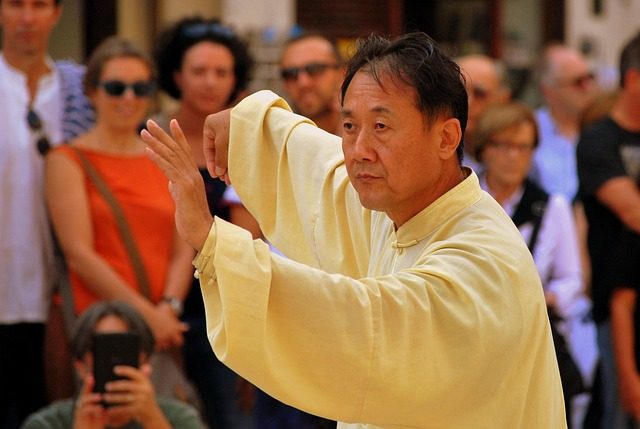
Tai Chi is more dynamic and focuses on continuous movement, while yoga may include static poses and floor work. If you prefer a more physical approach, Tai Chi may be a better fit. If you’re looking for a more introspective practice, yoga may be ideal.
Ultimately, the best choice is the one that inspires you to stay active and committed to your well-being.