Edible plants have been a fundamental part of the human diet throughout history. With the development of agriculture, knowledge of these species has declined, but they remain important today. In this article, we’ll explore various edible wild plants, along with their characteristics and benefits.
Identifying and eating edible wild plants can enrich our diet and bring us closer to nature. From wild rocket to dandelion, each species has its own flavor and properties. Let’s take a closer look at this fascinating topic.
Which plants can you eat?
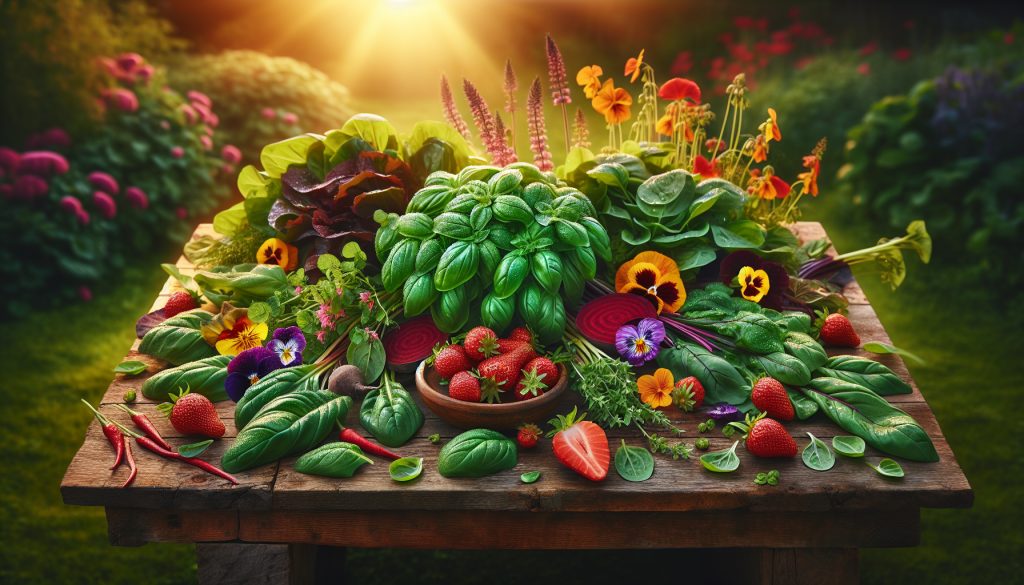
There are many plants you can eat. Some of the most common include:
- Wild rocket: With a slightly peppery flavor, it is used in salads.
- Dandelion: Its leaves and flowers are nutritious and can be eaten raw or cooked.
- Nasturtium: Its leaves and flowers have a peppery flavor similar to mustard.
- Purslane: Rich in omega-3, it can be added to salads and stews.
- Wild lettuce: It has a more intense flavor than common lettuce.
Some of these plants are easy to identify and can be found in various regions. Learning to recognize them is essential for enjoying their benefits.
In addition to their culinary uses, these plants offer important nutritional benefits, such as high levels of vitamins and minerals. Adding them to our diet can bring variety to our meals and offer new culinary experiences.
Which wild plants are edible?
Edible wild plants are those that grow naturally without human intervention. They include:
- Wild rocket: Known for its distinctive flavour, it is rich in antioxidants.
- Dandelion: From its roots to its flowers, every part is edible.
- Nasturtium: As well as being edible, it adds visual appeal to the garden.
- Purslane: It provides essential nutrients and has anti-inflammatory properties.
- Wild lettuce: Its bitter taste makes it perfect for salads.
These species are not only edible but also have historical and cultural significance. Many have featured in culinary traditions for generations, making them an important part of our food heritage.
It is also important to be mindful of the environment and sustainability when gathering these plants. Responsible harvesting ensures that these species continue to grow and benefit future generations.
What are the characteristics of edible plants?
Edible plants often have distinctive characteristics that make them easier to identify. These include:
- Leaves: Leaves can vary in shape, size and colour. It is vital to recognise them to avoid confusing them with poisonous plants.
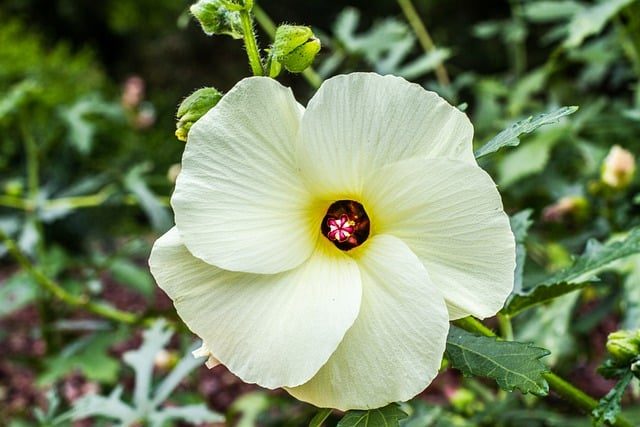
- Flowers: Many edible plants have attractive, colourful flowers, which can be a good sign that they are edible.
- Fragrance: Some species have distinctive scents that can help with identification.
As well as these characteristics, it is important to consider the habitat in which they grow. Edible plants often thrive in damp or sunny areas, which can make them easier to find.
Knowing these characteristics not only makes identification easier but also helps you learn about their uses and benefits. Including these plants in your diet can make it more varied and nutritious.
How can you tell if a wild plant is edible?
Identifying whether a wild plant is edible requires care and attention. Here are some guidelines to follow:
- Do your research: Before foraging, research the plant in question. Use field guides or dedicated apps to make sure it is edible.
- Ask an expert: If you are unsure, consult botanists or experts in wild plants. Their knowledge can be invaluable.
- Test it: If you are eating a plant for the first time, try a small amount and wait 24 hours to check for any reaction.
It is essential not to eat plants that cannot be identified with certainty. Mistaking them for poisonous species can have serious health consequences.
Also, foraging for wild plants safely means respecting the environment. Do not gather more than you need, and avoid contaminated areas to ensure that what you eat is safe.
Which edible plants can you grow at home?
Growing edible plants at home is an excellent way to enrich your diet. Some options include:
- Arugula: Easy to grow, it grows quickly and can be harvested in a short time.
- Lettuce: Several varieties are suitable for growing at home and offer great versatility in the kitchen.
- Herbs: Grow herbs such as basil, mint, or cilantro. They are easy to care for and add flavor to your dishes.
Besides providing fresh food, having an edible garden also contributes to sustainability and helps foster a connection with nature.
Food self-sufficiency is not only beneficial for your health, but can also be a rewarding activity. You can enjoy the satisfaction of growing your own food and experimenting with new flavors.
Which wild plants are edible in Spain?
In Spain, you can find many edible wild plants. Some of the most common include:
- Dandelion: Common throughout the peninsula, it is easy to identify and entirely edible.
- Purslane: Found in many regions, it is used in salads and stews.
- Nasturtium: Known for its peppery flavour, it can be used fresh in salads.
- Fennel: Its leaves and seeds are edible and have an aniseed flavour.
Learning about these plants is not only useful for your diet, but also encourages biodiversity conservation and respect for our natural surroundings.
When gathering wild plants, it is essential to be aware of local regulations and make sure not to damage the ecosystem. Sustainable foraging is key to maintaining the balance of natural ecosystems.
Related questions about edible plants
Which plants can you eat?
The plants you can eat are diverse and vary by region. Some of the most common include dandelion, wild rocket and nasturtium. It is important to learn how to identify them correctly to ensure they are safe to eat.
Which plants are best to eat?
The best plants to eat are those with high nutritional value. Wild rocket and dandelion are excellent choices because they contain vitamins and minerals. Taste and versatility in cooking are also factors to consider.
Which plants have edible leaves?
The leaves of many edible plants are delicious and nutritious. Some options include rocket, dandelion and wild lettuce. These leaves can be used in salads, stews and other dishes, adding freshness and flavour.
Which wild plants are edible?
Edible wild plants include species such as dandelion, purslane and nasturtium. Each has unique characteristics and can be used in a variety of culinary preparations.
It is important to remember that wild plants should be gathered responsibly and sustainably to protect the environment and ensure these valuable species remain available in the future.