Potassium is an essential mineral that plays a crucial role in how the human body functions. Its intake can have a significant effect on our cardiovascular health and the proper functioning of our muscles and nerves. In this article, we’ll explore foods highest in potassium, their benefits, and how to incorporate them effectively into our diet.
What does potassium do for our health, and which foods contain it?
Potassium is vital for several physiological functions. It helps regulate fluid balance, maintain healthy blood pressure, and is essential for muscle contraction. It also occurs in a variety of foods, making it easy to include in your diet.
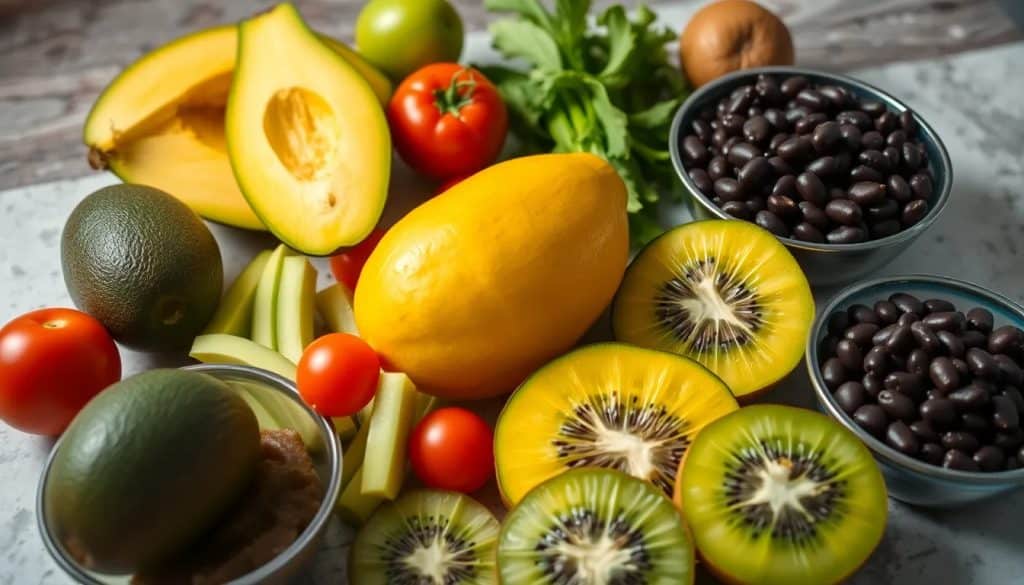
Foods rich in potassium are mainly fruits and vegetables. Some of the best-known examples include bananas, avocados, spinach, and potatoes. Including these foods in your daily diet can help ensure you get enough of this mineral.
In addition to fruits and vegetables, legumes and nuts are also excellent sources of potassium. To support our health, it is therefore important to be mindful of what we eat and choose foods that are richer in this nutrient.
Which foods are highest in potassium?
When looking for foods highest in potassium, we find a range of options that are not only healthy but also versatile in the kitchen. Some of the foods with the highest potassium content are:
- Banana: Ideal as a snack, it contains around 422 mg of potassium per 100 g.
- Avocado: In addition to being rich in healthy fats, it provides approximately 485 mg of potassium per 100 g.
- Spinach: This leafy green vegetable contains about 558 mg of potassium per 100 g.
- Potato: A staple food that contains around 425 mg of potassium per 100 g.
- Beans: Legumes are an excellent source, with about 400 mg of potassium per 100 g.
Including these foods in our diet will provide not only potassium but also other essential nutrients. The best dietary sources of potassium are varied and can be adapted to different recipes and lifestyles.
Interesting facts about potassium and its health benefits
Potassium has many health benefits. Adequate intake may reduce the risk of high blood pressure, which in turn lowers the chances of developing heart disease. This mineral also plays an essential role in maintaining muscle function and nerve activity.
Regular potassium intake may also help prevent kidney stones and support bone health. This is because potassium helps neutralize acidity in the body, which may help preserve bones.
It is important to note that although potassium is a beneficial nutrient, both too little and too much can cause health problems. That is why it is essential to maintain a healthy balance in your intake.
How can you include potassium-rich foods in your diet?
Including potassium-rich foods in your diet can be easy and delicious. Here are some practical tips:
- Start your day with healthy options: Add banana or avocado to your breakfast, either in a smoothie or on toast.
- Add vegetables to every meal: Make sure your plate always includes a serving of vegetables. Spinach and broccoli are excellent choices.
- Choose healthy snacks: Nuts and legumes are perfect for snacking between meals, providing both energy and potassium.
- Make purées and soups: Potatoes and other root vegetables can be boiled and turned into nutritious purées or soups.
Remember, variety is key to a balanced diet. By trying different recipes, you can enjoy the benefits of potassium-rich foods without getting bored.
What is the recommended daily potassium intake for adults?
The recommended daily potassium intake for adults is approximately 4,700 mg per day. This requirement may vary depending on a person's age, sex and overall health. It is essential to follow these recommendations to avoid both a deficiency and an excess of this mineral.
In some cases, people who eat few fruits and vegetables may find it difficult to meet this amount. It is therefore important to make a conscious effort to eat the right foods.
If you have a health condition that affects potassium balance in your body, such as kidney disease, it is advisable to consult a healthcare professional before making significant changes to your diet.
Which potassium supplements are recommended?
In general, it is best to get potassium from natural food sources. However, supplements may be necessary in certain cases, such as for people with a confirmed deficiency. They should always be taken under a doctor's supervision.
Potassium supplements come in several forms, such as tablets and powder. However, it is important to bear in mind that self-medicating can lead to complications, as too much potassium in the body can be harmful.
Before considering supplements, assess whether you are eating enough potassium-rich foods and getting their nutritional benefits. Often, adjusting your diet is the best option.
Tips for improving potassium absorption in the body
Optimizing potassium absorption is key to making the most of its benefits. Here are a few tips:
- Choose fresh foods: Processed foods tend to contain less potassium than fresh foods, so try to choose fresh options.
- Avoid too much sodium: A high-sodium diet can counteract potassium's positive effects, so cut back on salt.
- Include fiber: High-fiber foods, such as fruits and vegetables, help improve potassium absorption.
- Stay properly hydrated: Drinking enough water helps maintain the body's electrolyte balance, including potassium.
By following these tips, you can maximize potassium absorption and support your overall health.
Frequently asked questions about potassium-rich foods
Which food is highest in potassium?
Among the foods richest in potassium, avocado stands out, providing approximately 485 mg per 100 g. However, spinach and bananas are also worth mentioning, as they are popular and nutritious. Including these foods in your diet provides not only potassium but also other health benefits.
What is the recommended potassium intake for children?
The recommended potassium intake for children varies by age. Generally, children aged 1 to 3 years are advised to consume around 3,000 mg per day, while children aged 4 to 8 years should get about 3,800 mg. It is essential to make sure their diets include potassium-rich fruits and vegetables to meet these recommendations.
Which drinks are high in potassium?
Several drinks can be high in potassium. Some of the most notable include:
- Orange juice: Provides around 200 mg of potassium per 100 ml.
- Fruit smoothies: Especially those containing bananas or avocados, which can be very high in this mineral.
- Coconut water: This refreshing natural drink is an excellent source of potassium, with approximately 250 mg per 100 ml.
What can increase your potassium levels?
Potassium levels in the body can be increased by eating foods rich in this mineral. Bananas, avocados, nuts and legumes are some of the best ways to raise potassium levels. In addition, it is essential to maintain a balanced diet and avoid excessive sodium intake to ensure potassium can do its job properly.