The animal kingdom is incredibly diverse and surprising. Among its many species, hairless animals stand out for their unique appearance and special adaptations. From unusual mammals to extraordinary marine creatures, this group of animals has fascinating characteristics.
A lack of hair may result from evolutionary adaptations that help animals survive in specific environments. In this article, we’ll explore different types of hairless animals, their fascinating facts and characteristics, and how they relate to other animal groups.
Which animals are hairless?
Hairless animals include a wide variety of species, not just mammals. These include:
- Frogs
- Moths
- Scorpions
- Octopuses
- Turtles
Frogs, for example, are a notable group that includes species with no hair at all. These creatures have developed moist skin that allows them to breathe through it—an essential adaptation for their survival.
Moths are fascinating too. Many have no hair or have structures that are not fur but scales. These help them blend in with vegetation or their natural surroundings.
Hairless pets
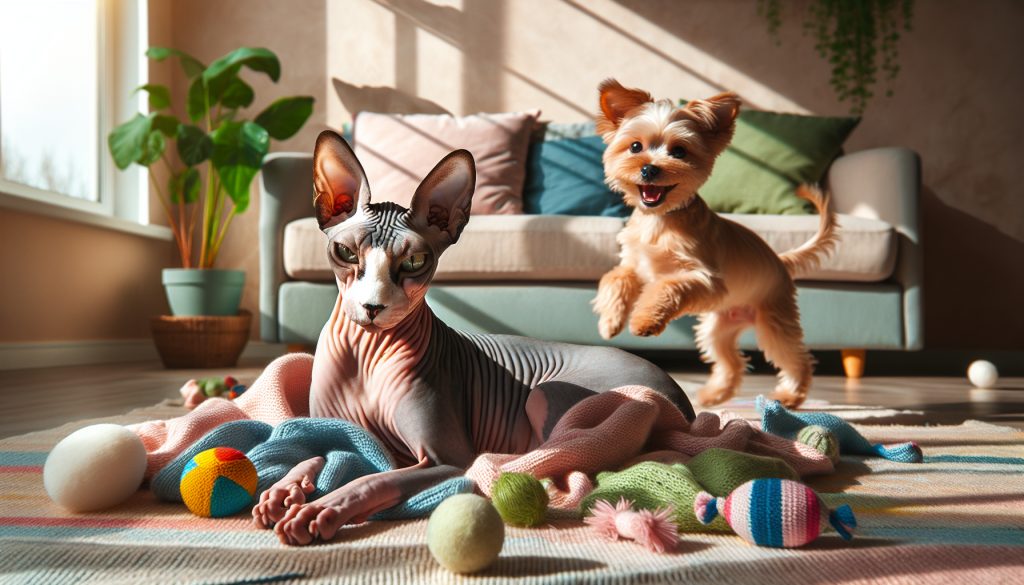
In the domestic setting, notable examples of hairless animals include the Sphynx cat, the best-known of them all. This breed is famous for its unique appearance and soft-to-the-touch skin, which makes it especially appealing to many people.
Hairless cats need special care because they have no fur to insulate them from the cold. This means they need a warm environment and often regular baths to keep their skin healthy.
Other examples of hairless animals found in homes include certain dog breeds, such as the Peruvian Hairless Dog. It also has adaptations that allow it to live comfortably without fur, and makes a loyal, affectionate companion.
Hairless Mammals: Discover Them!
Hairless mammals are an intriguing group that includes more than just cats and dogs. They include:
- The Vietnamese hairless pig
- The naked mole-rat
- The pink dolphin
The naked mole-rat is a remarkable example of a hairless mammal. It is used in scientific research because of its resistance to cancer. Its lack of fur gives it an unusual appearance, but is also part of its unique biology.
Although the pink dolphin is not completely hairless, it has distinctive features. Its skin is smooth and has no scales, making it a fascinating aquatic mammal.
Animals Without Hair or Feathers: Which Ones Are There?
Several hairless animals and featherless animals live in the wild. These creatures have developed various adaptations to their environments. Some examples include:
- Crabs
- Sea urchins
- Salamanders
Crabs are an excellent example of hairless animals that live in marine environments. They have a hard exoskeleton that protects them and allows them to move through the water.
Salamanders, on the other hand, are amphibians that usually have bare, moist skin, which helps them breathe. Their appearance can vary considerably between species, but many have neither fur nor feathers.
What Types of Animals Have No Hair?
Hairless animals can be divided into several categories. Some examples are:
- Invertebrates, such as octopuses and sea urchins
- Mammals, such as the Sphynx cat and the naked mole-rat
- Reptiles, such as some turtles and lizards
Invertebrates such as octopuses are known for their flexibility and lack of hard structures. They often have soft, moist skin that helps them adapt to their marine environment.
Reptiles also include several examples of hairless animals, such as turtles that lack scales on certain parts of their bodies, showing unique adaptations to their habitats.
Interesting Facts About Hairless Animals
The diversity of hairless animals includes some surprising traits. Here are a few interesting facts:
- Sphynx cats are known for their playful, curious behavior despite their unusual appearance.
- The naked mole-rat has a complex social life and lives in colonies, displaying cooperative behavior.
- Hairless frogs can be extremely sensitive to environmental changes, making them bioindicators of ecological health.
These interesting facts show how species have adapted to their environments, sometimes developing traits that may seem unusual but serve important functions for their survival.
Scaled Animals and Their Relationship to Hairless Animals
The relationship between hairless animals and animals with scales is fascinating. Like bare skin, scales provide protection and help animals adapt to their environment. Examples include:
- Snakes, which have scales instead of fur
- Fish, whose scales help them swim efficiently
Scales and bare skin serve similar functions, such as insulation and protection from predators. These adaptations are essential to the survival of species in their respective ecosystems.
In addition, both hairless animals and animals with scales have developed camouflage techniques that help them blend into their surroundings, improving their chances of escaping predators.
Further Reading on Hairless Animals
For those interested in learning more about hairless animals, various sources offer valuable information. Some highly recommended titles include:
- “The Biology of Hairless Mammals” by John Doe
- “Animal Adaptations in Extreme Environments” by Jane Smith
- “Ecosystems and Their Biodiversity” by Richard Roe
These books and resources provide a deeper understanding of the adaptations and characteristics of species without hair, as well as their importance to ecosystems.
Related Questions About Hairless Animals
Which Animals Have No Hair?
Hairless animals include various species, mainly frogs, moths, and mammals such as the Sphynx cat and the naked mole-rat. Each of these animals has unique adaptations that allow it to survive in its habitat.
What Type of Animal Has No Hair?
There are several types of hairless animals, including mammals, reptiles, and invertebrates. These animals have developed special features, such as bare skin or scales, that allow them to adapt effectively to their environments.
Which Hairless Mammal Gives Birth to Live Young?
The Sphynx cat is an example of a hairless mammal that gives birth to live young. This breed reproduces viviparously and is known for its lack of fur, which sets it apart from other mammals.
Which Animals Have No Skin?
Hairless animals is a term that can apply to invertebrates such as octopuses and some species of frogs. These animals have specific adaptations that allow them to survive without a traditional skin covering.