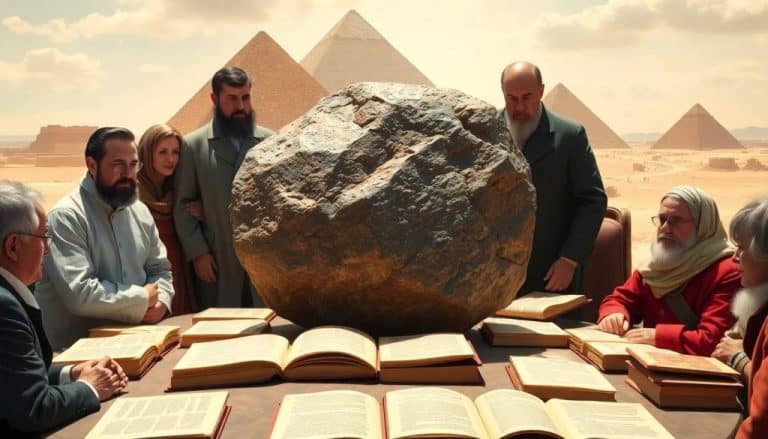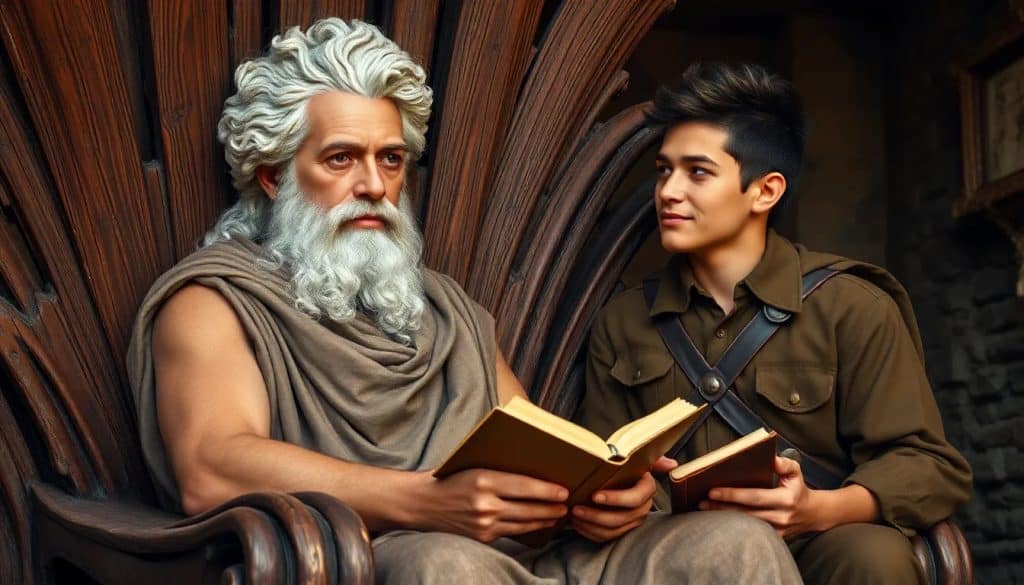
The figure of Homer, known as the blind poet, has left an indelible mark on literature and history. His legacy, embodied in works such as the Iliad and the Odyssey, has influenced countless generations, including Heinrich Schliemann, the famous archaeologist who, guided by Homer’s accounts, set out to discover the ancient city of Troy. In this article, we’ll explore the connection between these two iconic figures and how their stories have become intertwined over time.
Heinrich Schliemann, the discoverer of Troy
Heinrich Schliemann was born on 6 January 1822 in Neubukow, Germany. From a young age, he showed a keen interest in history, especially ancient Greece, influenced by the works of Homer. His passion led him to become a wealthy businessman and, later, a pioneer of modern archaeology.
His journey toward discovering Troy began in 1868, when he decided that the stories in the Iliad were more than myths. Schliemann applied his knowledge of Homeric texts to locate the site of Troy at Hisarlik, Turkey. Despite facing criticism and skepticism, his dedication and innovative approach enabled him to carry out significant excavations that revealed multiple layers of history.
One of his most iconic discoveries was the so-called “Treasure of Priam,” which, according to Schliemann, belonged to the king mentioned by Homer. This discovery not only supported his theories but also captured the attention of the scientific community and the general public.
What influence did Homer have on Schliemann’s life?
Homer had a profound and multifaceted influence on Schliemann’s life. From childhood, Schliemann was drawn to epic literature, which sparked his desire to explore the heroic narratives that had endured through the centuries. The Iliad not only inspired his career but also provided the cultural and emotional context that gave meaning to his archaeological quest.
Schliemann saw Homer as a guide, almost like a mentor. The idea that the stories in the Iliad might have a historical basis led him to investigate and devote his life to archaeology. His methodology was based on the premise that the stories told by Homer could reveal the truth about Troy’s ancient inhabitants.
In addition, Schliemann’s emotional connection to the characters in the Iliad drove him to conduct meticulous excavations. He believed that by unearthing the remains of Troy, he was not only searching for artifacts but also bringing to life the heroic deeds of figures such as Achilles and Hector.
How did Schliemann become known as the poor boy who found a treasure?
The story of Schliemann as the “poor boy who found a treasure” is iconic and reflects his personal journey. Born into a modest family, Schliemann faced many hardships in childhood; however, his insatiable curiosity and determination led him to learn several languages and build a successful career in business.
His transformation from a poor boy into a millionaire was largely due to his work in trade and his negotiating skills. This gave him the financial freedom he needed to pursue his dream of becoming an archaeologist. In his search for Troy, the idea of finding a “treasure” referred not only to material objects but also to the rich history that had been forgotten.
Ultimately, his discovery of artifacts such as the “Treasure of Priam” symbolized the fulfillment of his dream. This treasure represented not only an important archaeological find but also cemented his reputation as a pioneer of modern archaeology.
Are there doubts about the authenticity of Homer’s works?
The Homeric Question has sparked heated debate among scholars and literature lovers. Although Homer has traditionally been credited with writing the Iliad and the Odyssey, researchers have questioned the authenticity and unity of these works. Some studies suggest they may be compilations of oral tales passed down over the centuries.
Critics point out that inconsistencies in the style and content of Homer's works suggest a fusion of different poems and traditions. This diversity could indicate that the works were not written by a single author, but instead reflect a rich oral tradition.
However, other researchers maintain that Homer was a single author who, through his unique style, managed to capture the essence of an era and a culture. The tension between these perspectives has made Homer and his legacy the subject of ongoing and fascinating analysis.
Who Was Heinrich Schliemann's Wife?
Heinrich Schliemann's wife was Sophie, who played an important role in his life and archaeological adventures. Sophie, who was of Greek origin, became his companion and supported his quest to discover Troy, linking her personal story with that of Homer.
Their relationship was complex, shaped by their shared passion for history and the challenges of archaeological travel. Sophie was not only a great source of emotional support but also took part in the excavations, contributing her perspective and knowledge of Greek culture.
Tragically, Sophie died shortly after Schliemann made his most important discoveries, leaving a void in his life. Her memory lived on in Schliemann's work, and he often reflected on her influence and the impact she had on his career.
What Important Discoveries Did Schliemann Make During His Excavations?
During his excavations, Schliemann made several discoveries that revolutionized our historical understanding of ancient Greece. Among his most notable finds were:
- Priam's Treasure: Considered one of the most striking finds, this collection of gold and jewelry was associated with the king of Troy mentioned in the Iliad.
- The Mask of Agamemnon: Although it does not date from the time of the Trojan War, this artifact was key to establishing a connection between archaeology and epic literature.
- The Walls of Troy: Schliemann showed that the ancient walls of Troy existed, thereby validating the accounts of Homer.
These discoveries not only confirmed the historicity of the Iliad, but also established Schliemann as a key figure in the development of modern archaeology. His innovative approach and dedication to the study of ancient history laid the groundwork for future researchers in the field.
What Is the Connection Between Homer's Iliad and Schliemann's Excavations?
The relationship between Homer's Iliad and Schliemann's excavations is essential to understanding the impact both figures had on history. Schliemann used the narrative of the Iliad as a guide, searching for places and artifacts that could corroborate the stories of heroes and battles.
His excavation method was intrinsically linked to his interpretation of the Homeric texts. He firmly believed that by unearthing Troy, he was not only finding objects but also bringing the history of the ancient world back to life. This created a unique connection between literature and archaeology.
Thus, Schliemann’s discoveries gave the Iliad a new dimension, providing evidence to support the idea that the stories of Homer have roots in historical events. This synergy between epic tales and archaeological discoveries has enriched our understanding of ancient Greek culture.
Related Questions About the Connection Between Homer and Schliemann
Who Was Schliemann?
Heinrich Schliemann was a Prussian archaeologist known for discovering the city of Troy based on the accounts of Homer. Born in 1822, he devoted his life to exploring ancient history, becoming a key figure in the development of modern archaeology.
Who Was Homer, the Blind Poet?
Homer is known as the blind poet of ancient Greece and the author of the Iliad and the Odyssey. His life remains a mystery, but it is believed that he lived in the 8th century BC. His poetry has endured through the centuries, influencing Western literature and culture.
What Did Schliemann Actually Find?
Schliemann made several significant finds during his excavations, including “Priam's Treasure,” the “Mask of Agamemnon,” and the walls of Troy. These discoveries not only validated his theories about the existence of Troy but also revolutionized archaeology.
Which Poem Made the Bard Homer Famous?
The Iliad is the poem that made the bard Homer famous. This epic tale recounts events from the Trojan War and has been fundamental to Western literature, influencing generations of writers and poets.