Napoleon Bonaparte has been the subject of many myths throughout history, and one of the most persistent is the claim that he was short. He is often remembered by the derogatory nickname "the little Corsican," which has led to much confusion about his actual height. In this article, we'll explore Napoleon's true height and debunk some common misconceptions about it.
The question of how tall Napoleon was has been debated for years. Although many considered him short, his actual height was above the average for his time. Let's take a closer look and uncover the truth behind this myth.
How tall was Napoleon?
Napoleon Bonaparte's actual height was approximately 168 centimeters, making him taller than the average French man of his time. This is significant because it challenges the popular belief that he was short.
It's important to note that the confusion about his height stems from the conversion between measurement systems. Napoleon used the metric system, while his enemies used the English system, which led to a misinterpretation of his height. What's more, the use of different units of measurement led some people to think he was 1,57 meters tall, a figure his detractors exaggerated and repeated.
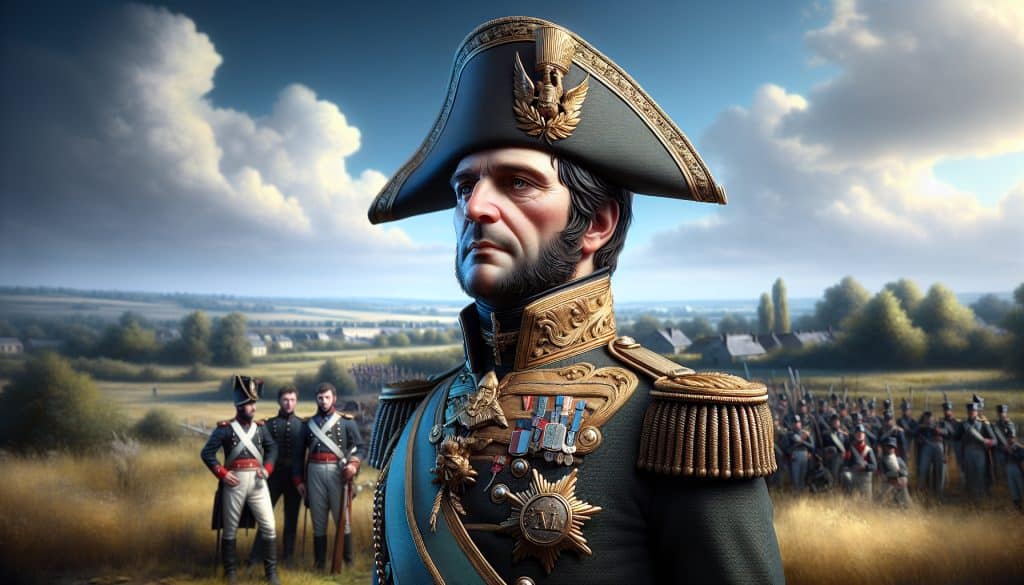
The perception of his height was also influenced by his surroundings. When he established the Imperial Guard, Napoleon surrounded his army with tall soldiers, which could make him appear shorter by comparison. This image helped fuel the legend that he was a short leader.
Why was Napoleon believed to be short?
The idea that Napoleon was a short man arose mainly from propaganda spread by his political enemies. By calling him "the little Corsican," they sought to belittle his stature and power. The nickname became a stigma that followed him throughout his life and beyond.
The stereotype of the inferiority complex commonly associated with him has also led many to believe that his height was a key factor in his ambition and success. Although the concept is interesting, it has been wrongly applied to Napoleon, who demonstrated great leadership and strategic ability regardless of his height.
Confusion between units of measurement also contributed to this myth. As the idea that Napoleon was short gained popularity, a mistaken consensus began to take hold and persisted over the years, reinforcing the negative perception of his height.
How tall was Napoleon Bonaparte really?
Napoleon’s actual height, as mentioned, was 168 cm, which was 8 cm taller than the average French man of his time. This figure is supported by several historical studies that have examined records from the period and uncovered documents confirming his height.
To better understand how Napoleon was perceived, it is essential to consider the culture and standards of the time. Height often influenced how a leader was viewed, and in Napoleon’s case, his image was shaped by both his victories and the propaganda against him.
As a military leader, his presence and strategic skills overshadowed any consideration of his height. The legend surrounding him has endured, even though his actual height contradicts the popular myth.
How tall was Napoleon in his time?
In Napoleon’s time, the average height of men in France was notably lower than it is today. A man who was 168 cm tall was considered relatively tall. To put this into perspective, many men in the 19th century were shorter, making Napoleon’s height all the more notable.
Comparing heights across history is complicated, especially when looking at different regions and periods. Health and nutrition standards have changed dramatically over the centuries, so direct comparisons may not be entirely accurate.
Although the myth that he was short has persisted, recent studies have begun to debunk these beliefs, offering a more nuanced analysis of Napoleon and his impact on history.
How Napoleon’s height influenced public perception
A person’s height can significantly affect how others perceive them. In Napoleon’s case, his height became a central part of the way his public image was constructed. Leaders are often judged by their appearance, and height can play a crucial role in those judgments.
Public perceptions of Napoleon’s height were also shaped by his ambition and success. Despite the rumors about his height, Napoleon was able to consolidate his power and become an influential leader. This shows that height does not necessarily determine leadership ability or success in a given field.
In turn, the inferiority complex associated with Napoleon has prompted reflection on how society views height in the context of authority and leadership. History has shown that many successful leaders do not meet the height standards society often considers ideal.
- Napoleon’s image was shaped by his enemies.
- Height standards have changed over the centuries.
- Perceptions of height can influence views of leadership.
- Ambition can outweigh physical limitations.
The Napoleon complex: Facts and myths
The Napoleon complex refers to the idea that shorter men compensate for their stature through ambition and success. This concept has been used to describe other leaders of similar height, but it is essential to understand that Napoleon’s ambition was not driven solely by his stature.
Historically, Napoleon stood out for his strategic skills and political astuteness, factors that played a greater role in his success than his height. The myth of his inferiority complex has often overshadowed his achievements, eclipsing his true legacy.
The idea that Napoleon’s height had a direct effect on his behavior may also be an oversimplification. Many factors contributed to his personality and leadership style, and his height was only one of them.
Historical confusion over Napoleon’s height
Throughout history, there has been considerable confusion about Napoleon’s height, partly because of differences between measurement systems. The incorrect conversion of his height has led many people to mistakenly believe he was shorter than he really was.
In addition, propaganda and rumors played a crucial role in creating the myth that he was short. Napoleon’s enemies exploited this confusion to ridicule him and undermine his image, helping to perpetuate the idea that he was a small leader in every sense.
Today, it is important to revisit historical sources and recognize that, despite the myth, Napoleon Bonaparte was an influential and charismatic leader whose height should not diminish the importance of his achievements.
Related questions about Napoleon’s height
How tall was Napoleon really?
Napoleon Bonaparte’s actual height was approximately 168 cm. This figure contrasts with the popular belief that he was a short man, as he was taller than average for his time. His height has been confirmed by various studies and historical records that reveal how tall he really was.
Why was Napoleon said to be short?
The perception that Napoleon was short is largely due to the nickname “the Little Corporal,” used by his enemies to ridicule him. In addition, confusion between measurement systems and the propaganda of the time contributed to this mistaken idea about his height.
How tall was Napoleon?
Napoleon Bonaparte’s height has been documented at approximately 168 centimeters. This figure is greater than the average height of French men of his time and challenges the popular notion that he was a short leader.
How tall was Napoleon?
Napoleon was around 168 cm tall, which was considered an acceptable height in his time. Confusion about his height has persisted over the years, but historical records confirm that he was taller than average.