
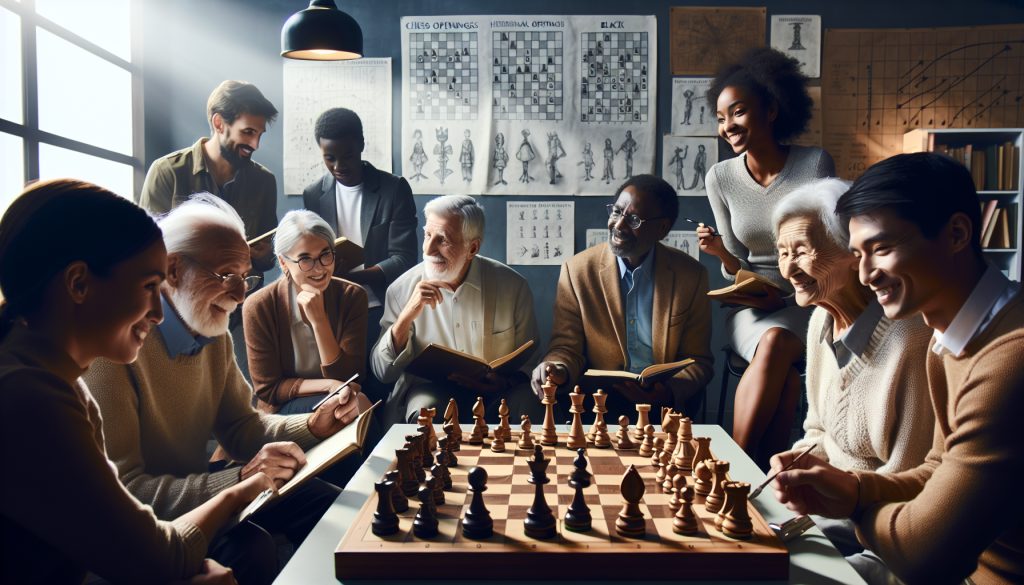
Chess is a fascinating game that combines strategy, tactics, and patience. For those who want to improve at this age-old art, various techniques and practices can help them reach a higher level. In this article, we’ll explore how to become a better chess player and share valuable tips.
Improving at chess isn’t just about learning new moves; it also means adopting the right mindset and practicing consistently. Here, we’ll cover key strategies and tips to help you become a more competitive player.
How Can Beginners Improve at Chess?
For beginners, the first step to improving at chess is to become familiar with the rules and the basic moves of the pieces. It’s essential to understand the value of each piece and how they interact on the board. Regular practice will help you build confidence and skill.
One recommended way to practice is to play games with friends or online. This will not only let you apply what you’ve learned, but also expose you to different styles and strategies. It’s also helpful to analyze your own games, identify mistakes, and look for ways to correct them in the future.
- Familiarize yourself with the basic rules.
- Practice regularly with friends or on online platforms.
- Analyze your games and look for mistakes.
Reading chess books and watching video tutorials can also be a great help. Combining theory and practice is key to making effective progress.
How to Become the Best at Chess
To be considered one of the best chess players, it’s essential to set clear goals. Setting specific, achievable objectives will motivate you and give you a path to follow. Practicing consistently is another crucial factor.
It’s also important to develop a learning mindset. Being open to criticism and learning from your mistakes is part of the process. Resilience is a quality every player should cultivate, as defeat is inevitable on the road to excellence.
- Set clear, achievable goals.
- Practice consistently and with discipline.
- Develop an open-minded approach to learning.
Finally, analyzing games by grandmasters and learning from their strategies can give you a fresh perspective on the game and help you take your skills to the next level.
What tips can help you play better chess?
There are many practical tips that can help you play better chess. One of the most important is to develop your pieces early. Make sure you don’t move the same piece several times during the opening, and limit unnecessary pawn moves.
Another vital tip is to castle as early as possible. Castling protects the king and helps connect the rooks, which is essential in the middlegame. Here are some more tips:
- Develop your knights before your bishops.
- Place your queen behind your pawns.
- Avoid forcing unnecessary checks.
Finally, managing your time is also essential. Learn to keep track of your clock during games, as time can be a decisive factor in tournaments.
How can you learn to play chess effectively?
Learning to play chess effectively requires a methodical approach. One recommended method is to set up a structured training plan that includes theory, practice, and analysis. Spend time studying openings, endgames, and specific tactics.
Blindfold chess is also an excellent way to improve your visualization and calculation skills. It involves playing without looking at the board, which helps strengthen your memory and understanding of the game.
- Set up a structured training plan.
- Study openings and endgames.
- Practice blindfold chess to improve your visualization.
It’s also essential to “look at the game from the other side of the board”—in other words, try to understand your opponent’s perspective and anticipate their moves. This will help you adapt and respond more effectively during games.
What are the best chess openings?
Openings are a crucial part of chess, as they set the tone for the rest of the game. Some of the best openings include the Ruy Lopez, the Sicilian Defense, and the Italian Game. Each has its own characteristics and tactics that you can take advantage of.
Here are some popular openings:
- Ruy Lopez: Ideal for controlling the center.
- Sicilian Defense: Perfect for players looking for a dynamic game.
- Italian Game: Encourages rapid piece development.
Researching and practicing these openings will give you a solid foundation for your games and the chance to surprise your opponents with unexpected moves.
Why am I not improving at chess?
A lack of improvement in chess can be due to several factors. One of the most common is not practicing regularly. Chess requires consistency; playing only occasionally will make it harder to progress.
Another reason may be a lack of analysis. Many players play without reviewing their games, which makes it harder to learn from their mistakes. It’s important to reflect on each game, identify poor decisions, and work on them.
- Practice regularly.
- Review and analyze your games to learn from them.
- Set up a training plan tailored to your needs.
Finally, don’t underestimate the importance of mindset. Staying positive and resilient in the face of losses can change how you approach the game and contribute to your continued improvement.
Related questions about how to become a better chess player
How can I become a better chess player?
To become a better chess player, it’s essential to practice regularly and set clear goals. Learning from your mistakes by analyzing your games is also key. Consider studying the strategies and tactics of advanced players, which can give you new perspectives.
What does it take to be good at chess?
To be good at chess, you need patience, dedication, and an open mind. It’s essential to develop your tactical skills, as well as your knowledge of openings and endgames. Consistent practice and analyzing your games are equally important.
What are the 7 principles of chess?
The seven basic principles of chess include controlling the center, developing your pieces, keeping your king safe, maintaining your pawn structure, avoiding unnecessary moves, using tactics, and preparing for the endgame. These principles are fundamental to playing a good game.
What do you need to do to win at chess?
To win at chess, you need a good strategy that includes controlling the center and developing your pieces. It’s also essential to anticipate your opponent’s moves and create a solid plan. Practicing tactics and learning from your mistakes will also contribute to your success in the game.