Building a latrine is an essential skill, especially in rural areas or during emergencies. In this article, we’ll explore the process of building a latrine effectively, covering everything from the types of latrines to the specific steps involved in building one.
What are latrines?
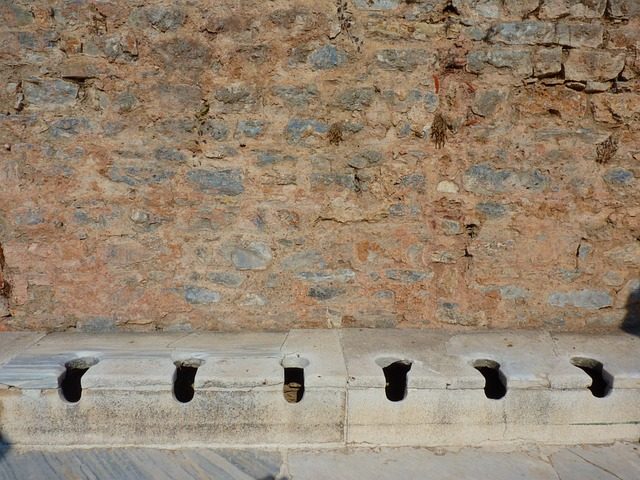
Latrines are structures designed to collect and dispose of human waste hygienically. They are essential in places without conventional sanitation systems. The main purpose of a latrine is to separate waste from the environment and minimise the risk of contamination.
Latrines can vary in design and function to suit different settings. For example, pit latrines may be used in rural areas, while more complex systems may be chosen in more developed areas. The key is that all of them serve the purpose of protecting public health.
Latrines not only support personal hygiene but are also essential for community health. Proper use can prevent waterborne diseases and other public health problems associated with a lack of sanitation.
What types of latrines are there?
There are several types of latrines, each with specific features and uses. Here are some of the most common:
- Dry latrines: These do not use water. Instead, soil or similar materials are used to cover the waste, turning it into compost.
- Pit latrines: These consist of a pit dug in the ground where waste is deposited.
- Ecological latrines: These use natural processes to break down waste, minimising environmental impact.
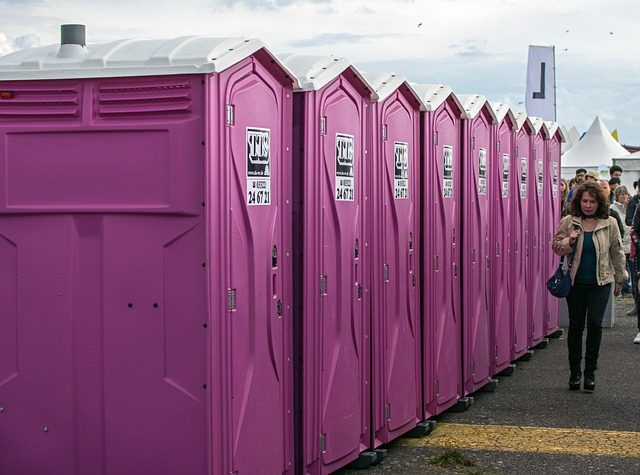
- Emergency latrines: These are temporary structures intended for crisis situations, such as natural disasters.
Each type of latrine has its own advantages and disadvantages. For example, dry latrines are ideal in areas with limited water, while pit latrines are simpler to build and maintain. Understanding the differences is crucial when deciding which type best suits individual needs.
How do you build a latrine step by step?
Building a latrine may seem like a complicated task, but following a few clear steps makes the process more manageable. Here are the steps to follow:
- Choose a suitable location: Make sure it is at least 10 metres away from water sources and homes.
- Decide on the dimensions: A good latrine should have a pit at least 1.80 metres deep.
- Dig the pit: Use tools such as a shovel to make digging easier.
- Build the structure: Use durable materials such as treated wood or concrete blocks.
- Install a cover: This will help keep the latrine clean and reduce odours.
Remember that the location and design are crucial to the latrine working properly. Good ventilation in sanitary latrines is also important to prevent unpleasant odours from building up and improve the user experience.
How should a latrine be built?
Building a latrine requires attention to several important details. First, the design should take the user's privacy and comfort into account. The latrine should have a door that closes securely and, if possible, a small window for ventilation.
The materials used should be resistant to moisture and wear. The walls can be made of treated wood or bricks, while the seat can be made of wood or plastic, as long as it is easy to clean.
Regular maintenance is another important consideration. This includes periodically cleaning the interior and adding soil or ash after each use to minimize odors and aid decomposition.
How deep should a latrine be?
A latrine's depth is crucial for preventing contamination and odors. Generally, the pit should be at least:
- 1.80 meters: This is the standard depth to ensure that waste decomposes properly.
- 2.00 meters or more: This depth may be necessary in densely populated areas or where the latrine is used frequently.
In addition to depth, it is important to consider the pit's width and length. A wider pit allows for better ventilation and makes it easier to access for cleaning later.
How can you prevent a latrine from smelling bad?
Keeping a latrine odor-free is essential for comfortable, pleasant use. Here are some helpful tips:
- Proper ventilation: Make sure the latrine is well ventilated. This can be achieved with a window or a pipe that allows air to circulate.
- Use absorbent materials: Adding soil or ash after each use helps cover the waste and absorb moisture, reducing odors.
- Regular maintenance: Cleaning the latrine and emptying the pit at regular intervals are key to keeping the area hygienic.
Following these recommendations not only improves the user's experience but also contributes to public health by preventing the spread of odors and germs.
Related questions about building latrines
How should a latrine be built?
When building a latrine, it is essential to consider its design, materials, and location. It should be functional and comfortable while ensuring privacy. Using moisture-resistant materials, such as treated wood, is essential to extend its lifespan. Proper ventilation also helps prevent bad odors and maintain a hygienic environment.
How deep should a latrine be?
A latrine should be at least 1.80 meters deep. This ensures that waste decomposes properly and minimizes the risk of groundwater contamination. In densely populated areas, a depth of 2.00 meters or more is recommended, depending on usage.
What types of latrines are there?
There are several types of latrines, each suited to different conditions. Dry latrines are ideal for areas with limited water, while pit latrines are simpler and quicker to build. Ecological latrines use natural decomposition processes, and emergency latrines are temporary options suited to critical situations.
How can you prevent a latrine from smelling bad?
To prevent a latrine from smelling bad, it is crucial to ensure good ventilation, use absorbent materials such as soil or ash, and carry out regular maintenance. Cleaning the pit and covering the waste after each use are practices that help control odors significantly.