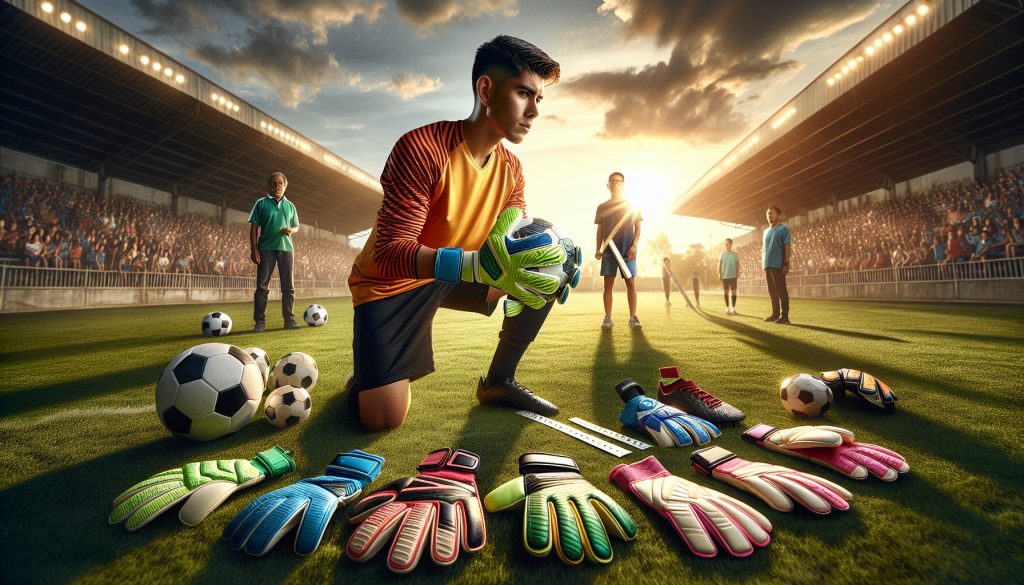
Choosing the right goalkeeper glove size is essential for performance and protection on the field. A good fit not only improves ball control but also prevents injuries. In this article, we’ll show you how to choose the right size and care for goalkeeper gloves.
By following a few simple steps, you can work out which size is best for you and how to keep your gloves in top condition to extend their lifespan.
How do you know your goalkeeper glove size?
Working out your goalkeeper glove size is easy if you follow a few basic steps. First, measure the circumference of your hand just below the knuckles. Compare this measurement with the size charts provided by different brands. Remember that sizes can vary between manufacturers, so it’s always best to check each brand’s specifications.
Another effective method is to measure from the base of your palm to the tip of your middle finger. This measurement will help you find gloves that fit your fingers perfectly. Use a flexible measuring tape for a more accurate result.
Finally, try on the gloves in person whenever possible. This lets you feel how they fit and whether they’re comfortable enough to wear during a game.
How to Choose the Right Size and Care for Goalkeeper Gloves
Choosing the right goalkeeper glove size is crucial for performance in football. A glove that doesn’t fit well can make it harder to grip the ball and increase the risk of injury. Before deciding, consider factors such as the glove’s material and the cut you prefer.
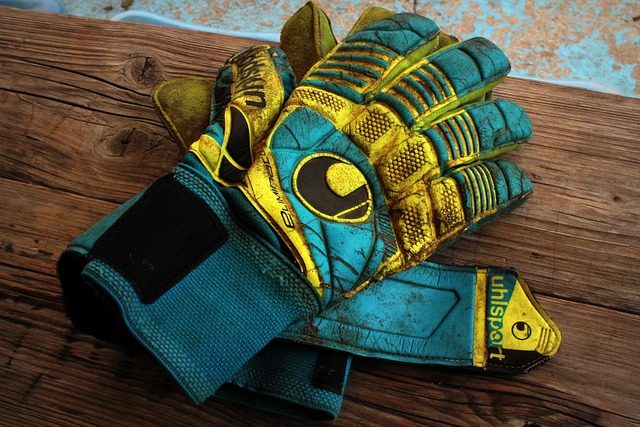
It’s a good idea to choose gloves that balance comfort and durability. Latex gloves, for example, are known for their excellent grip, while other materials may offer greater abrasion resistance.
To care for your gloves, clean them regularly and store them in a cool, dry place. Don’t leave them in direct sunlight or expose them to extreme conditions, as this can cause the material to deteriorate over time.
What should you consider when choosing the right goalkeeper glove size?
There are several factors to consider when choosing goalkeeper glove size. First and foremost is the fit. A glove should fit comfortably without being too tight or too loose. If your fingers feel compressed, you probably need a larger size.
In addition, the ]cut of the glove can influence your choice. There are negative, positive and flat cuts, each with its own feel. Negative-cut gloves tend to fit more snugly, while flat-cut gloves offer more room.
Finally, consider the conditions in which you’ll be playing. If you often play in wet weather, gloves with a suitable grip surface are essential for good performance.
How to Measure Your Hand for Goalkeeper Gloves
Measuring your hand correctly is a crucial step in finding the right goalkeeper glove size. You’ll need a tape measure. Start by measuring the circumference of your hand just below the knuckles, and note the measurement.
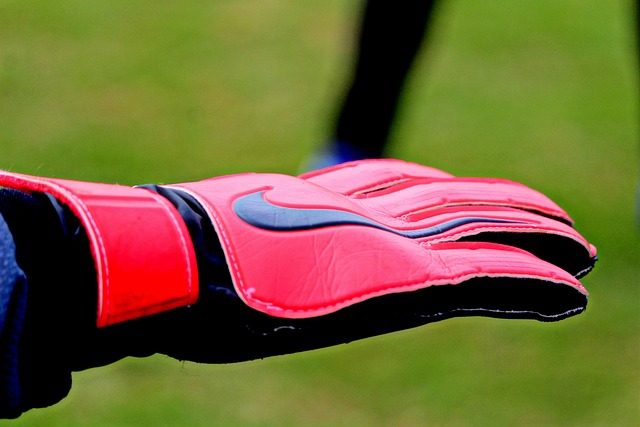
Then measure the length of your hand from the base of your palm to the tip of your middle finger. These two measurements will give you a clear idea of what glove size you need.
Once you have your measurements, check the size charts for the brands you’re considering. It’s always best to try gloves on before buying to make sure they’re comfortable and fit properly.
Why Is It Important to Choose the Right Goalkeeper Glove Size?
Choosing the right goalkeeper glove size is vital for optimal performance. A well-fitting glove allows for greater mobility and a better grip, which in turn reduces the risk of injury. A poor fit can also affect your confidence during a game.
Comfort is an important factor to consider. If the gloves are too big, you may lose control of the ball. On the other hand, if they’re too small, they can cause discomfort and limit finger movement.
In short, the right size will help you focus on the game without distractions or discomfort.
Goalkeeper Glove Sizes for Children: What Size to Choose by Age
Choosing the right glove size for children is essential, as their hands grow quickly. In general, it’s best to follow the standard size chart, which usually includes age-based categories. For example, children aged 7 to 10 usually wear sizes 4 to 6.
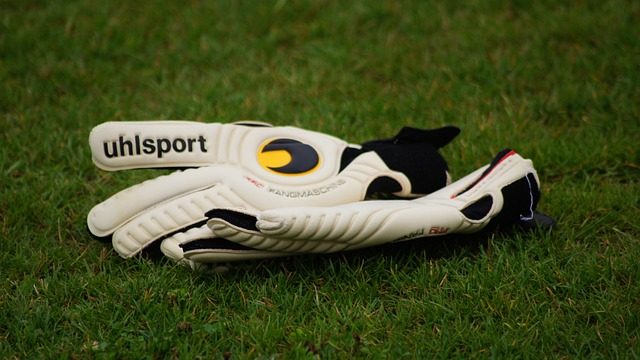
It’s important to measure your child’s hand before buying. This will ensure the gloves are not only the right size but also comfortable. Remember that ill-fitting gloves can discourage young goalkeepers.
Wearing properly fitted gloves can also help children develop their football skills. A good fit lets them focus on the game instead of worrying about their gear.
How to Try on Goalkeeper Gloves for a Good Fit
Trying on goalkeeper gloves is essential to make sure they fit properly. Here are a few steps you can follow to get the right fit:
- First, put on the gloves and make sure they feel comfortable. You should be able to move your fingers without restriction.
- Second, check that there isn’t too much space at the fingertips. Your fingers should reach the ends of the gloves without feeling squeezed.
- Third, make sure the wrist fits securely. Good support in this area is crucial to prevent injuries.
- Fourth, try making a few movements, such as catching and throwing a ball. This will give you an idea of how the gloves perform during a game.
Remember, it’s always best to try different brands and models to find the option that best suits your needs and personal preferences.
Frequently Asked Questions About Choosing the Right Size and Caring for Goalkeeper Gloves
How do you know your goalkeeper glove size?
To find your goalkeeper glove size, measure the circumference of your hand below the knuckles and its length from the base of your palm to the tip of your middle finger. Compare these measurements with the size charts from the brands you’re considering. This will give you a clear idea of what size you need.
How should goalkeeper gloves fit?
Goalkeeper gloves should fit snugly without being too tight. Your fingers should reach the ends of the gloves, and you should be able to move them freely. The wrist should also be held securely, with no gaps around the palm.
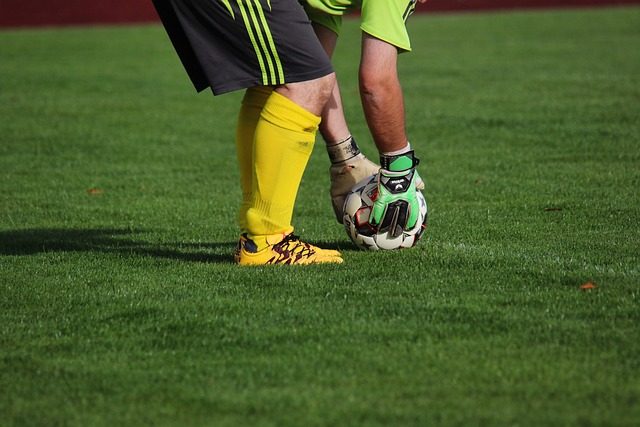
How do I choose my glove size?
To choose your glove size, first measure the circumference of your hand and its length from the palm to the tip of your middle finger. Check the manufacturers’ size charts and try on several models to find the fit that’s most comfortable and practical for you.
What size goalkeeper gloves does a 13-year-old need?
For a 13-year-old child, glove size is usually between 7 and 8, depending on their hand measurements. It’s a good idea to measure their hand before buying to make sure the fit is right. Try different brands, as sizing can vary.