Deglazing is a fundamental cooking technique that turns cooking residue into delicious sauces. It not only brings out the flavors of the ingredients but also lets you make the most of the caramelized juices left in the pan.
In this article, you’ll learn how to deglaze a pan effectively, as well as why this technique matters and how to use it. If you’d like to improve your cooking skills, read on.
What Does It Mean to Deglaze, and How Do You Do It Properly?
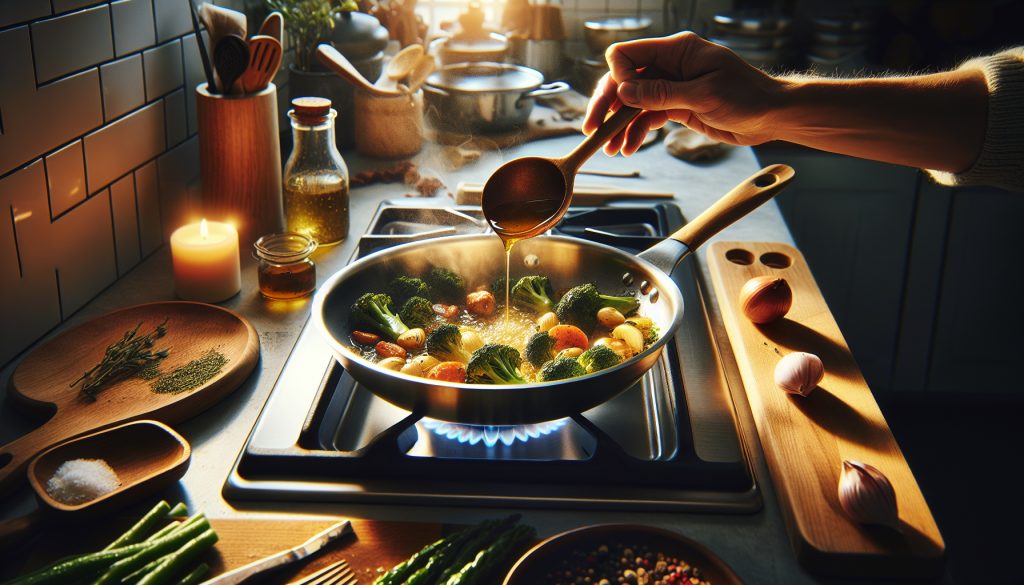
Deglazing is the process of adding liquid to a hot pan to dissolve and release the caramelized juices left behind after cooking meat, vegetables, or fish. These juices are key to creating rich, flavorful sauces. To use this technique properly, it’s important to follow a few basic steps.
First, make sure the pan is hot. Then add your chosen liquid and use a wooden spoon to scrape up the browned bits stuck to the bottom. Finally, let the liquid reduce to concentrate the flavors. This technique is essential for making flavorful sauces.
Deglazing not only improves the flavor of your dishes but also helps you use ingredients that would otherwise go to waste. Remember that your choice of liquid can affect the final flavor of the sauce.
How Do You Deglaze a Pan?
To learn how to deglaze a pan, follow these simple steps:
- After cooking, remove the meat or vegetables from the pan, leaving the browned bits at the bottom.
- Add a liquid, such as stock or wine, to the hot pan.
- Use a wooden spoon to scrape the bottom of the pan and release the juices stuck to it.
- Bring the liquid to a boil, then let it reduce over medium-high heat.
- Once the liquid has reduced, you can add other ingredients, such as butter or spices.
This process not only draws out flavors but also creates a base for more complex sauces. Deglazing is an essential technique in every chef’s kitchen.
What utensils are best for deglazing?
For effective deglazing, it’s essential to have the right utensils. Recommended utensils include:
- Stainless steel pans: Ideal for better heat conduction and easy deglazing.
- Cast-iron pans: Perfect for retaining heat and caramelising the juices.
- Wooden spoons: Help prevent damage to the pan’s coating and scrape up the bits effectively.
A good knife and cutting board are also essential for preparing the ingredients to add to the sauce. Your choice of utensils can also affect the quality of the deglazing.
Remember, a well-maintained pan makes this technique more effective, resulting in richer, more flavourful sauces.
What liquids can you use to deglaze?
Choosing the right liquid is key to successful deglazing. Some of the most commonly used liquids include:
- Stock: Chicken or beef stock adds depth of flavour.
- Wine: Red or white wine can add complexity to the sauce.
- Vinegar: Adds a touch of acidity that balances the flavours.
- Avocado: Perfect for a more exotic, fresh touch.
Each liquid has its own flavour profile and can significantly change the final result. Experimenting with different liquids lets you customise your sauces and adapt them to your dishes.
How can you enhance a sauce after deglazing?
After deglazing, there are several ways to enrich the sauce. Consider adding:
- Butter: For a creamy texture and rich flavour.
- Spices: Such as black pepper or mixed herbs to enhance the aroma.
- Cream: Ideal for smoother, more indulgent sauces.
These ingredients not only add flavour, but also help create a more balanced and satisfying sauce. The key is to add them gradually and taste as you go.
Remember that each addition should complement the liquid and juices from deglazing, creating a unique culinary experience.
Why is deglazing an important cooking technique?
Deglazing is essential because it helps you make the most of every ingredient used in cooking. This technique not only improves flavour, but also makes cooking more efficient and reduces waste.
When you deglaze, you turn the browned bits left in the pan into a rich base for sauces, adding great value to your dishes. This technique is also essential for creating complex sauces to serve with meat, pasta and vegetables.
In short, deglazing not only brings your sauces to life; it’s also a skill every chef should master to create exceptional dishes.
Related questions about deglazing
What is deglazing?
Deglazing involves adding liquid to a hot pan to dissolve the juices and food residue left behind after cooking. This process is essential for making flavourful sauces and getting the most out of your ingredients. Deglazing captures concentrated flavours that enhance the quality of your dishes.
What does it mean to deglaze a pan?
Deglazing a pan refers to the same process described above: adding liquid to the pan used for cooking to collect the caramelised juices. This is essential for creating rich, complex sauces by turning residue into flavour.
What does it mean to deglaze with vinegar?
Deglazing with vinegar involves using this acidic liquid to clean the pan and add a touch of acidity to the sauce. Vinegar helps bring out the flavours and adds a delicious contrast to sauces, especially those served with meat. It’s a technique often used in gourmet cooking.
How can you stop food from sticking to a pan?
To prevent food from sticking to a pan, preheat it properly and use enough fat, such as oil or butter. Choosing a quality pan, such as stainless steel or non-stick, can also make a big difference. Finally, avoid moving the food too soon; let a good crust form before turning it.