Cupping therapy is an ancient technique that has grown in popularity in recent years, especially among athletes and fans of alternative medicine. Used in various cultures, this practice aims to relieve pain and improve blood circulation by applying suction to the skin. However, it is crucial to understand both the benefits and the risks associated with its use.
In this article, we’ll take an in-depth look at how to do cupping therapy: learn about its risks and benefits, the types of cupping cups, and the precautions to consider before undergoing this therapy.
What Are Cupping Cups Used for in Physical Therapy?
Cupping therapy is used mainly to treat muscle conditions and chronic pain. By creating suction on the skin, the aim is to improve blood circulation and promote lymphatic flow, which may help with recovery and pain relief.
Cupping therapy has also been used in physical therapy treatments to address problems such as muscle contractures, inflammation, and sports injuries. Many patients report significant improvements in their well-being after cupping therapy sessions.
- Relief from muscle and joint pain.
- Reduced inflammation.
- Improved blood circulation.
- Relaxation of tense muscles.
However, it is important to note that although many patients report benefits, scientific evidence supporting these claims is limited. Traditional Chinese medicine also considers cupping therapy helpful for balancing the flow of energy in the body, which may have a positive effect on overall health.
What Is Cupping Therapy?
Cupping therapy, also known as cupping, is a technique that uses cups to create suction on the skin. This practice dates back centuries and has been used in various cultures, including Chinese and Egyptian cultures.
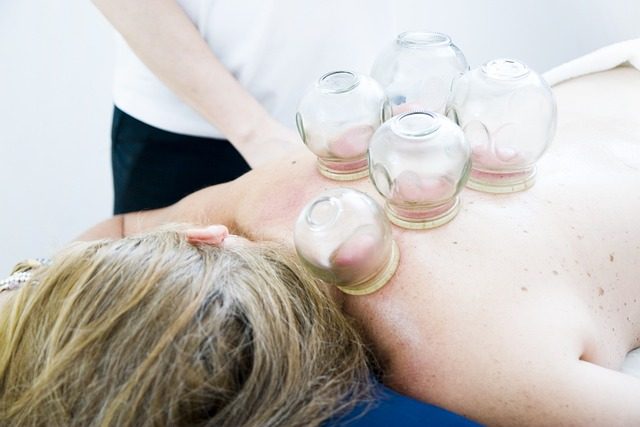
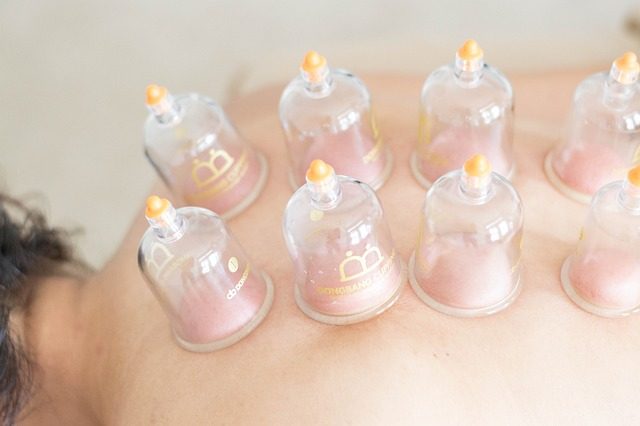
There are two main types of cupping: dry cupping, in which the cups remain in place on the skin, and wet cupping, which involves small incisions to allow blood to flow out. Each type has its own uses and benefits, and the choice depends on the condition being treated and the patient's preferences.
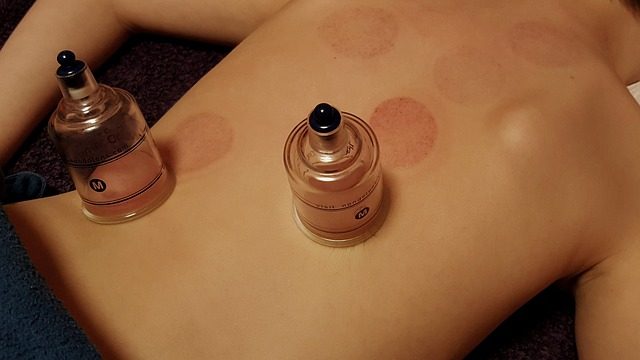
The therapy involves placing cups on specific areas of the body to create a vacuum that lifts the skin. This suction effect is considered beneficial for relieving pain and improving muscle health.
Is Cupping Painful?
The level of pain experienced during cupping therapy can vary depending on each person's sensitivity and the type of cups used. In general, most people do not report significant pain, although they may feel discomfort or pressure.
It is important for the practitioner to adjust the suction intensity and treatment duration to make the experience as comfortable as possible. Some people may experience a slight burning or itching sensation during application, but this is usually temporary.
Bruising in the treated area is common after cupping therapy. These marks are considered normal and will disappear within a few days. However, if the pain persists or gets worse, it is advisable to consult a specialist.
What Are the Pros and Cons of Cupping?
Cupping therapy has several pros and cons that are important to consider before deciding to undergo this treatment.
Pros:
- May help relieve muscle and joint pain.
- Improves blood circulation.
- Promotes relaxation and overall well-being.
- It is a non-invasive technique that does not involve medication.
Cons:
- May cause bruising and temporary redness.
- It is not suitable for people with certain medical conditions, such as heart disease, or for pregnant women.
- There is little scientific evidence to support all of its benefits.
- May cause infections if not performed under appropriate hygienic conditions.
Before trying cupping therapy, it is advisable to consult a healthcare professional who can assess your situation and determine whether it is a safe and effective option.
Should I Try Cupping Therapy?
Deciding whether to try cupping therapy depends on several personal and health-related factors. Although many people report benefits, it is essential to consider your overall health and any medical conditions that may make the treatment unsuitable.
Before starting any treatment, it is advisable to speak with a doctor or physiotherapist to assess whether cupping therapy is right for you. If you have conditions such as blood-clotting problems or sensitive skin, you will probably need to avoid this therapy.
If you decide to go ahead, make sure you see an experienced practitioner certified in cupping therapy, who can provide safe and effective treatment.
How to Do Cupping Therapy: Risks and Benefits
When performed correctly, cupping therapy may be an effective treatment option for various ailments. However, as with any therapy, it is essential to understand the associated risks and benefits.
Benefits include pain relief and a possible improvement in blood circulation. Risks, on the other hand, may include bruising, infections, and adverse reactions in people with sensitive skin. It is essential that the therapy be performed by a trained professional.
Also, keep in mind that cupping therapy should not be considered a substitute for conventional medical treatments. It is always best used alongside other treatments and therapies.
Cupping on the Back: Contraindications and Benefits
Cupping on the back is one of the most common uses of cupping therapy. However, this technique is not suitable for everyone.
Contraindications include:
- People with heart disease.
- Pregnant women.
- People with injured skin or infections.
- Patients with blood-clotting problems.
Despite these contraindications, the benefits of cupping on the back include reducing muscle tension and relieving pain related to injuries or physical exertion.
Where to Place the Cups
Cup placement is crucial to maximizing the benefits. Cups are generally placed on areas where muscle tension or pain is felt.
The most common areas for cupping are:
- The upper back.
- Between the shoulder blades.
- The lower back.
- The neck muscles.
It is important for the practitioner to assess the specific areas to be treated, as placing the cups at strategic points can optimize the results.
Cupping Massage: Benefits and Effects
Massage combined with cupping, also known as cupping massage, is a technique that enhances the benefits of cupping therapy. Adding a massage aims to increase relaxation and make the treatment more effective.
The benefits of cupping massage include:
- Deep muscle relaxation.
- Improved local blood circulation.
- Relief from stress and tension.
This approach not only helps relieve pain but can also be an effective way to improve overall well-being.
Frequently Asked Questions About Cupping Therapy
What effects can cupping have?
Cupping can cause several temporary effects; the most common are bruising and redness in the treated areas. These effects are generally harmless and disappear within a few days. However, if unusual symptoms occur, such as severe pain or signs of infection, it is essential to seek medical attention.
Where should cupping not be used?
Cupping should not be applied to areas with open wounds or infections, or where the skin is irritated or inflamed. It is also important to avoid using it on people with certain health conditions, such as heart problems, or on pregnant women, as they may face greater risks.
What conditions can cupping treat?
Cupping therapy has been used to treat various conditions, including muscle pain , tension, anxiety, and circulation problems. However, it is important to note that scientific evidence for its effectiveness in treating diseases is limited, and it should not be considered a substitute for conventional medical treatments.
How is cupping performed?
Cupping is performed by placing cups on the skin and creating a vacuum that pulls the skin upward. This can be done using dry or wet cupping techniques, depending on the type of treatment. It is essential that the procedure be performed by a trained professional to minimize risks and maximize benefits.