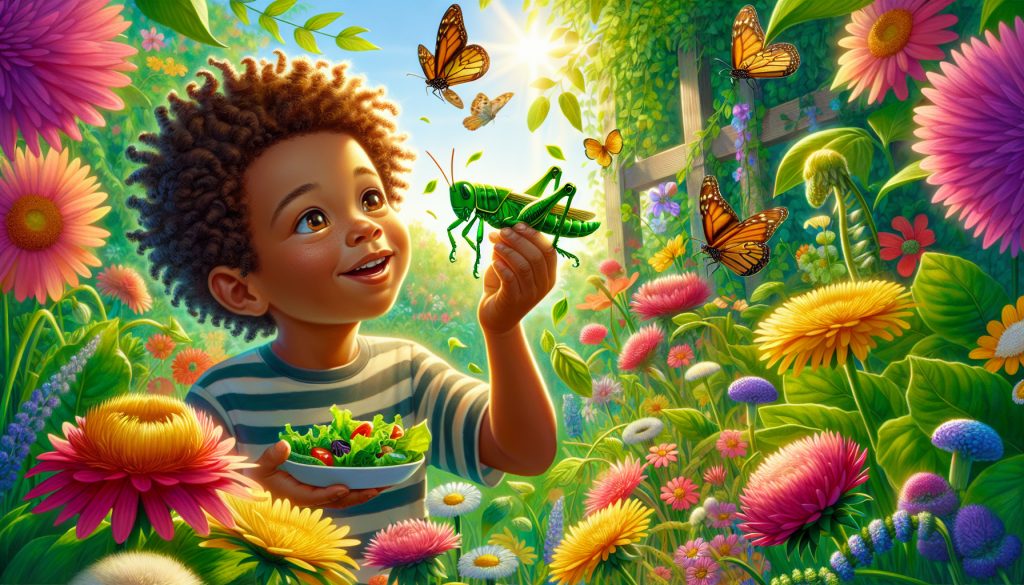
Feeding a grasshopper is relatively simple once you understand what this insect eats and which foods to avoid. Grasshoppers are mainly herbivores, so they usually feed on leaves, grasses, tender stems, and some fresh vegetables.
If you've found a grasshopper and want to care for it for a few hours or days, the most important thing is to offer it clean, pesticide-free plants and a well-ventilated space. It doesn't need complicated food, but it does need fresh, safe options.
Quick summary
A grasshopper can eat fresh grass, tender leaves, clover, dandelion, thoroughly washed lettuce, spinach, chard, and small pieces of carrot or apple. Avoid plants treated with pesticides, processed foods, bread, meat, sugar, citrus fruits, and leaves from plants you can't identify.
What Do Grasshoppers Eat?
Grasshoppers feed mainly on plant matter. In the wild, they eat grasses, leaves, shoots, tender stems and various wild plants. Some species prefer grasses, while others can eat a wider variety of plants.
At home, if you need to feed one temporarily, you can offer it simple, clean plant foods. Ideally, the food should be as similar as possible to what it would find in its natural habitat.
Some suitable foods include:
- Fresh grass.
- Tender leaves from non-toxic plants.
- Clover.
- Dandelion.
- Well-washed lettuce.
- Small amounts of spinach.
- Small amounts of chard.
- Small pieces of carrot.
- Small pieces of apple.
Best Foods for a Grasshopper
If you’re unsure, start with simple foods: fresh grass, clean green leaves and plants you know have not been treated with chemicals. You don’t need to give it large amounts; grasshoppers eat very little and usually prefer fresh food.
| Food | Is it recommended? | Tip |
|---|---|---|
| Fresh grass | Yes | One of the most natural options. |
| Clover | Yes | It must be clean and pesticide-free. |
| Dandelion | Yes | Tender, well-washed leaves. |
| Lettuce | Yes, in moderation | Best as a supplement, not as its only food. |
| Spinach or chard | In moderation | Offer a small amount and alternate with other leaves. |
| Carrot | Occasionally | In thin slices or small pieces. |
| Apple | Occasionally | A small piece, without seeds. |
How to Feed a Grasshopper at Home
You don’t need a special feeder to feed a grasshopper. You can place some fresh leaves or grass in a well-ventilated container, making sure that spoiled food doesn’t build up.
Basic steps:
- Prepare a spacious, well-ventilated container.
- Place a few twigs, leaves or stems inside so it can grip them.
- Add fresh leaves or clean grass.
- Remove dry or wilted food scraps every day.
- Don’t put in too much food at once.
- Avoid leaving water in deep containers.
The food should be clean but not soaking wet. If you wash leaves or vegetables, dry them a little before placing them in the container.
What Vegetables Can Grasshoppers Eat?
A grasshopper may eat some leafy vegetables as long as they are well washed and free of pesticide residue. The best options are simple, fresh vegetables with no seasonings.
You can try:
- Romaine lettuce.
- Spinach leaves.
- Swiss chard.
- Lamb's lettuce.
- Mild arugula.
- Very finely chopped carrot.
Lettuce should not make up its entire diet, as it contains a lot of water and does not always provide enough variety. It is better to alternate it with grass, clover, or safe wild leaves.
What wild plants can it eat?
If you collect plants outdoors, choose clean areas away from roads, gardens treated with pesticides, treated crops, or places where pets may have been. Choosing safe plants is more important than providing variety.
Some common plants that may be suitable include:
- Tender grasses.
- Clover.
- Dandelion.
- Grass leaves.
- Non-toxic green shoots.
Do not give it a plant if you cannot identify it. Some ornamental, garden, or house plants may be toxic or treated with chemicals.
Foods you should not give a grasshopper
Some foods are not part of a grasshopper's natural diet and may cause problems. It is best to keep its diet simple and plant-based and avoid human food.
| Food or product | Why to avoid it |
|---|---|
| Bread, biscuits, or pastries | They are not part of its diet and can spoil quickly. |
| Meat or fish | Grasshoppers are mainly herbivorous. |
| Sugar or sweets | They can attract fungi, bacteria, or other insects. |
| Cooked food | It may contain salt, oil, spices, or unsuitable ingredients. |
| Plants treated with pesticides | They can poison the insect. |
| Citrus fruits | They may be too acidic or unsuitable. |
| Unknown plants | They could be toxic or treated with chemicals. |
Does a grasshopper need water?
Grasshoppers get some of the water they need from the fresh leaves they eat. So they do not always need a dish of water; in fact, a deep dish can be dangerous because they could fall in.
To provide moisture safely:
- Offer fresh, clean leaves.
- You can lightly moisten a leaf without soaking it.
- Do not use deep dishes of water.
- Make sure the space does not become too damp.
Excess moisture can encourage mold or cause leftover food to spoil.
How much does a grasshopper eat each day?
A grasshopper does not need a large amount of food. A few fresh leaves or a small handful of grass is usually enough; watch to see whether it eats them.
It is better to offer a small amount and replace it often than to fill the container with food that will dry out or rot.
As a guide:
- Check the food once a day.
- Remove dry or unhealthy-looking leaves.
- Add fresh food if it has eaten some of the previous portion.
- Do not mix too many vegetables at once.
How to set up a temporary space for your grasshopper
If you are only keeping it for a short time, set up a simple, safe, well-ventilated space. Do not put it in a sealed, airless container.
A suitable container should have:
- Adequate ventilation.
- Space to move around and hop a little.
- Small branches or stems to perch on.
- Fresh leaves to eat.
- A clean, dry surface.
- Protection from direct sunlight.
Don’t place it next to a window with strong sunlight, a heat source, or somewhere where chemicals are used. Insects are sensitive to sudden temperature changes and substances in their surroundings.
Can You Keep a Grasshopper as a Pet?
You can observe a grasshopper for a while, but keeping one as a permanent pet isn’t always a good idea. If it’s a wild grasshopper, it’s usually best to return it to a safe habitat once you’ve finished observing it.
If you keep it for a few days, make sure it has food, ventilation, and enough space. Avoid handling it too much, as its legs are delicate and it can become stressed easily.
For children, this can be an interesting learning experience, as long as they’re taught to respect the animal and release it afterwards in a suitable place.
How to Tell If It’s Eating Well
Here are some signs that may indicate the grasshopper is eating the food you offer:
- The leaves have bite marks.
- It moves normally.
- It grips stems or branches.
- It doesn’t stay completely still at the bottom all the time.
- The fresh food gradually disappears.
If it doesn’t eat anything for many hours, try offering a different kind of fresh leaf or grass. It may also be stressed by the change in its surroundings.
What to Do If It Won’t Eat
If the grasshopper isn’t eating, that doesn’t necessarily mean it’s sick. It may be frightened, cold, less active than usual, or unfamiliar with the food you’ve given it.
Try the following:
- Replace the lettuce with fresh grass.
- Add clean clover or dandelion leaves.
- Put the container in a quiet area.
- Avoid handling it constantly.
- Check that it isn’t too cold.
- Remove old food or anything that smells bad.
If it’s a wild grasshopper and it isn’t adapting, it’s best to release it in a safe, plant-filled area.
Feeding an Adult Grasshopper vs. a Young One
Young grasshoppers, called nymphs, also eat plant matter, but may need softer leaves that are easier to bite. Adults can eat somewhat tougher leaves, though they’ll always prefer fresh food.
| Stage | Recommended food | Tip |
|---|---|---|
| Nymph or young grasshopper | Tender leaves, fine grass, and soft shoots. | Avoid tough leaves or large pieces. |
| Adult | Grass, leaves, clover, dandelion, and green vegetables. | Offer a variety and remove any dried-up leftovers. |
Tips for Observing It Without Harming It
If you’re looking after it so you can observe it, treat it with care. A grasshopper shouldn’t be handled like a toy.
- Don’t pick it up by its legs.
- Don’t squeeze it with your fingers.
- Don’t drop it from a height.
- Keep it away from pets.
- Don’t leave it in a container in direct sunlight.
- Wash your hands before and after handling plants or the container.
If you want to move it, let it climb onto a small branch or leaf rather than picking it up directly.
When to Release It
If the grasshopper is wild, it’s best to release it after observing it, especially if you don’t have experience caring for insects. Release it in a vegetated area, away from roads, pets, and places treated with pesticides.
Release it if:
- It isn’t eating.
- It is very restless or keeps trying to escape.
- You can’t provide it with a suitable space.
- You found it in the wild and it appears healthy.
- You only wanted to observe it for a few hours.
The best option is usually to return it to an environment similar to where you found it.
Conclusion: How to Feed a Grasshopper Properly
To feed a grasshopper, offer fresh grass, tender leaves, clover, dandelion, or small amounts of clean vegetables such as lettuce, spinach, or chard. Avoid processed foods, plants treated with pesticides, and any leaves you can’t identify.
As well as food, it needs a well-ventilated container, a quiet environment, and fresh food replaced frequently. If it is a wild grasshopper, it is best to care for it only temporarily and then release it in a safe area.
If you’re interested in more content about animals, nature, and interesting facts, keep reading in the Science & Nature category, the Education section, or the Home & Gardening section.
Frequently Asked Questions About Feeding a Grasshopper
What does a grasshopper eat?
Grasshoppers mainly eat grass, leaves, tender stems, clover, dandelion, and some fresh vegetables. They are primarily herbivorous insects.
Can I give a grasshopper lettuce?
Yes, you can give it well-washed lettuce, but it’s best as a supplement rather than its only food. It’s better to alternate it with fresh grass, clover, or other safe leaves.
Does a grasshopper need to drink water?
It usually gets some of its water from fresh leaves. Don’t put out a deep container of water, as it could fall in. It’s better to offer fresh leaves that are slightly damp.
What foods are dangerous for a grasshopper?
Avoid bread, cookies, cooked food, meat, sugar, citrus fruits, plants treated with pesticides, and leaves from plants you can’t identify, as these may be toxic or unsuitable.
Can I keep a grasshopper at home?
You can care for it temporarily to observe it, as long as it has ventilation, fresh food, and enough space. If it is wild, it is usually best to release it afterward in a safe area.