Ants are fascinating insects that live in highly organised colonies. The most important member of these colonies is the queen ant, which is responsible for reproduction and maintaining the colony. In this article, you'll learn how to identify a queen ant and discover her role in the ecosystem.
How to identify a queen ant
Identifying a queen ant may seem difficult, but there are key features that distinguish her from the other ants in the colony. The queen is generally much larger than the workers, which makes her easier to spot.
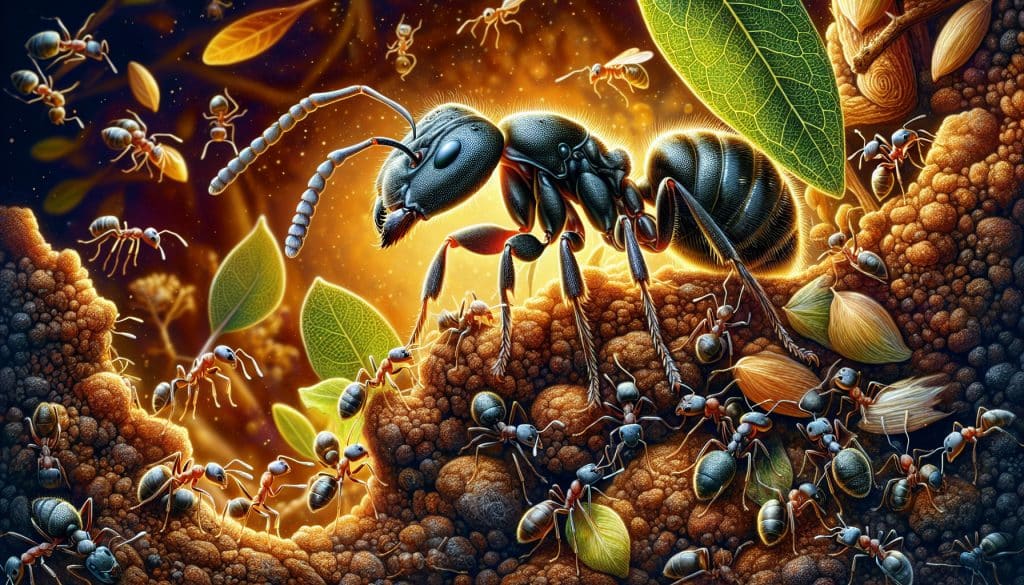
Look at her body: it is usually more robust, with a larger abdomen that reflects her reproductive role. The queen may also have wings during the mating period, making her even easier to distinguish in the nest.
Another important factor to consider is the signs of a queen ant in your home. If you notice more ant activity in your home, it may be a sign that a colony has settled there.
- Queens are larger than worker ants.
- May have wings.
- Larger, more robust abdomen.
What are the characteristics of a queen ant?
The physical characteristics of a queen ant are essential for identifying her. First, she is considerably larger than the workers, reaching up to two or three times their length. This size difference is a clear indication of her role in the colony.
Colour can also vary by species, but the black queen ant is quite common, and her dark colour is another distinctive feature.
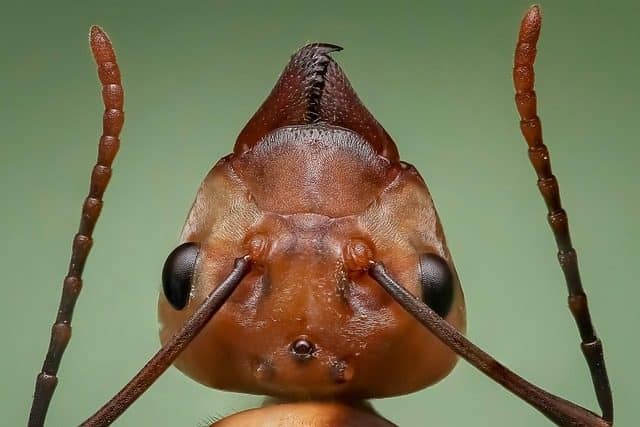
The queen also has a more streamlined body and a larger head than the workers, allowing her to have strong jaws for caring for the eggs.
How Does a Queen Ant Develop?
Queen ant reproduction is a fascinating process. Queens generally hatch from fertilized eggs laid by another queen, although in some species that allow it, they can develop from unfertilized eggs.
Once the queen reaches maturity, she takes part in a nuptial flight, where she mates with one or more males. During this event, she acquires the sperm she needs to fertilize her eggs throughout her life.
After mating, the queen will look for a suitable place to establish a new colony, where she will begin laying eggs and ensure the future of her species.
What Should You Do If You Find a Queen Ant in Your Home?
If you identify a queen ant in your home, it is important to act quickly to prevent it from establishing a colony. Here are some recommendations on what to do:
1. Don't disturb it: Try not to scare or crush it, as it may release pheromones that attract more ants.
2. Capture it: Use a container to catch it without harming it.
3. Consult an expert: If you can't handle the situation, consider contacting a pest control professional.
It's also essential to be aware of methods for catching queen ants, as a preventive approach can help keep your home pest-free.
How Does an Ant Become a Queen?
The development of a queen ant depends largely on environmental and nutritional conditions. Larvae that receive special food during their development may become queens.
These larvae are usually fed a mixture rich in protein and other nutrients that stimulate their growth and development. Nutrition therefore plays a crucial role in the formation of new queens within the colony.
This process highlights the importance of nutrition within the colony, as it determines the reproductive future of the ant colony. Without an adequate supply of nutrients, viable queens cannot develop.
Can There Be More Than One Queen Ant in a Colony?
In some ant species, there can be more than one queen in the same nest. This phenomenon is known as polygyny, in which several queens coexist and share reproductive responsibilities.
In other species, however, monogyny is the norm, meaning that only one queen is responsible for reproduction. This diversity in the social structure of ant colonies is fascinating and varies widely among species.
Colonies with several queens tend to have greater growth potential, as they can produce more eggs in a shorter period of time. This is especially important in environments where competition for resources is intense.
Related Questions About Identifying Queen Ants
How Can You Identify a Queen Ant?
Identifying a queen ant involves looking for certain physical characteristics. In general, the queen is larger than worker ants, has a more voluminous abdomen, and may have wings at certain times of the year.
A queen's color varies by species, which can affect how easily she can be identified. Comparing her size and shape with reference images online can also help determine whether she really is a queen.
How Can You Tell Whether an Ant Is Male or Female?
Male and female ants are distinguished mainly by their size and morphology. Males are usually smaller and have slimmer bodies.
Females, especially queens, are more robust and have an abdomen adapted for laying eggs. During mating season, males are easy to identify because they have wings and die shortly after fulfilling their reproductive role.
What Happens If the Queen Ant Is Killed?
Removing the queen ant can have serious consequences for the colony. Without her, the colony will struggle to reproduce and may eventually become extinct.
Worker ants cannot reproduce, so once the queen is gone, the population will begin to decline slowly. This highlights the queen's importance in the ant ecosystem.
When Do Queen Ants Emerge?
Queen ants usually emerge during the warmer months, especially in spring and summer, when conditions are ideal for mating. This coincides with the nuptial flight, when queens and males seek to reproduce.
It's important to keep this period in mind when looking for queens in your home, as they are more likely to be visible at this time of year.