
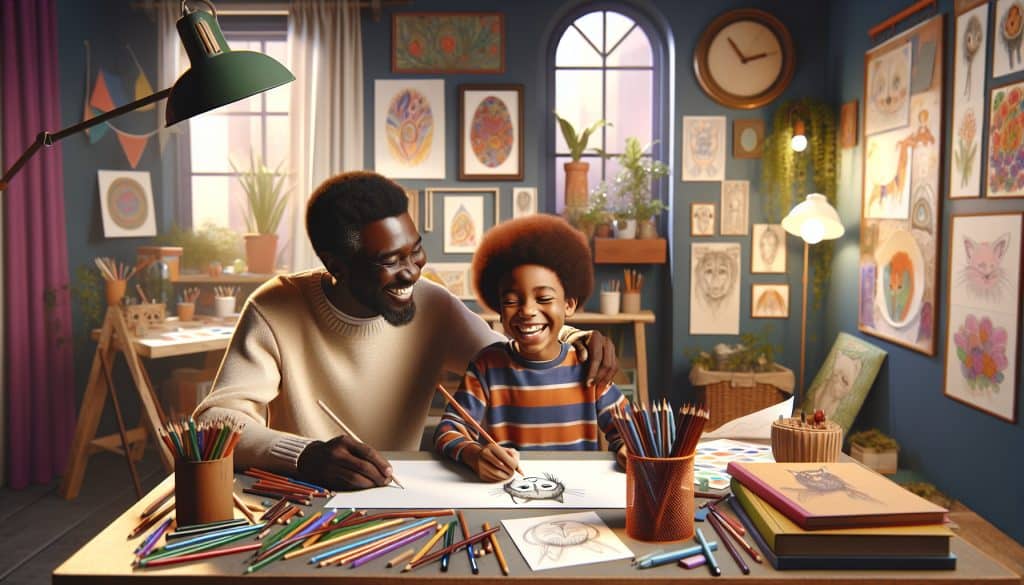
Learning to draw can be a very rewarding skill. Whether you're a beginner or have some experience, there's always room to improve. In this guide, we'll explore various techniques and tips on how to learn to draw easily.
From the most basic concepts to advanced techniques, this article is designed to help you develop your artistic skills effectively and enjoyably.
What should I know first to learn how to draw?
Before you start drawing, it's essential to understand a few basic concepts. First, you need to become familiar with the drawing materials you'll use. A good pencil and paper are essential. It can also be helpful to learn about other tools, such as erasers, rulers, and coloured pencils.
Observation is another essential skill. You need to learn to see the world around you in a new way, paying attention to shapes, shadows, and textures. This will help you reproduce what you see on paper.
Finally, don't forget the importance of regular practice. Don't be discouraged if your first drawings aren't perfect. With time and effort, you'll improve.
How to learn to draw with a pencil from scratch?
If you want to learn to draw with a pencil from scratch, the first step is to choose a suitable pencil. Pencils come in different grades of hardness, and an HB pencil is a good place to start.
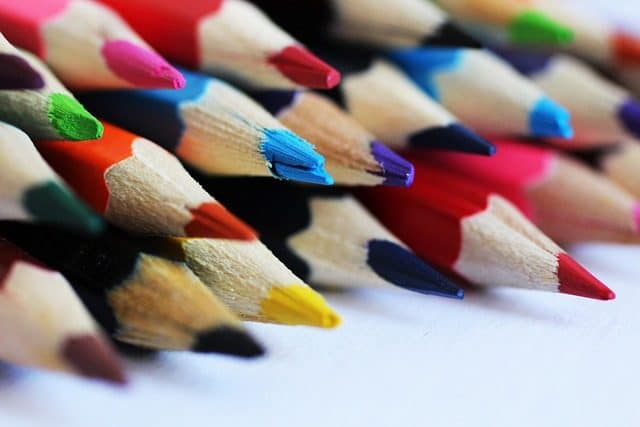
Start by drawing basic shapes such as circles, squares, and triangles. This will help you develop control over the pencil and understand proportion. Once you're comfortable with these shapes, you can move on to more complex objects.
Using online tutorials can also be very beneficial. There are many resources available that teach you specific techniques and guide you through the drawing process step by step.
What are the best techniques for learning to draw?
There are several techniques you can use to improve your drawing skills. Some of the most effective include:
- Outlines: Practice drawing the outlines of objects without looking at the paper. This improves your hand-eye coordination.
- Shading: Learn to apply shadows and highlights to give your drawings depth. This is key to lighting.
- Perspective: Understand the rules of perspective to create the illusion of depth and space in your work.
- Quick sketches: Spend a few minutes making quick sketches of objects or scenes. This helps you capture ideas and draw faster.
Remember that every technique takes practice, so be sure to spend time on each one.
How can children aged 10 to 12 learn to draw?
For children aged 10 to 12, it is essential to make learning a fun and creative experience. Start with simple drawings and easy sketches, using templates or coloring pages as a starting point to help them feel more comfortable.
Adding games and challenges can encourage children to practice more. For example, you could organize a family drawing competition or ask them to draw based on a word or topic they choose.
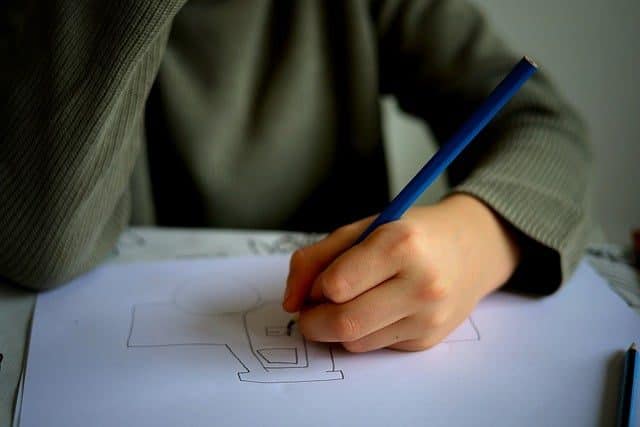
You can also show them videos of artists at work. This will not only capture their interest but also teach them different techniques in an entertaining way.
What exercises can I do to improve my drawing skills?
Practicing every day can be an excellent way to improve your drawing skills. Here are a few exercises you can try:
- Observational drawing: Choose an object and draw it from different angles. This will help you better understand its shape and structure.
- Copying masterpieces: Choose a famous work of art and try to recreate it. This will teach you techniques used by accomplished artists.
- Blind drawing: Try drawing an object without looking at your paper. This improves your observational skills and confidence in your strokes.
Consistency is key, so try to do at least one of these exercises every day.
What are the benefits of learning to draw?
There are many benefits to learning to draw. First, drawing is a form of personal expression that can be extremely liberating and rewarding.
In addition, learning to draw improves observation and attention to detail. These skills can be applied to other areas of life, such as problem-solving and decision-making.
Finally, drawing can also be a therapeutic activity. Many people find that drawing helps them relax and reduce stress.
Related questions about learning to draw
What is the best way to learn to draw?
The best way to learn to draw is through consistent practice and studying a range of techniques. Starting with simple exercises and progressing to more complex techniques will help you build a solid foundation. It is also valuable to get feedback, either from teachers or through online drawing groups.
What should I draw as a beginner?
If you are a beginner, start with everyday objects around your home. It could be a cup, a plant or even your own shoes. Draw what interests you and don't worry about making it perfect. The idea is to practice and learn about shapes and proportions.
What are the 5 drawing techniques?
Some of the most important drawing techniques include pencil drawing, contour drawing, shading, perspective and the use of color. Each technique has its own focus and will help you improve your drawing skills overall.
What should you do when you don't know what to draw?
When you don't know what to draw, a good exercise is to choose a random subject and draw the first thing that comes to mind. You can also look for inspiration in books, online or on social media. Another option is to join drawing challenges that suggest daily subjects, which can help keep you motivated.