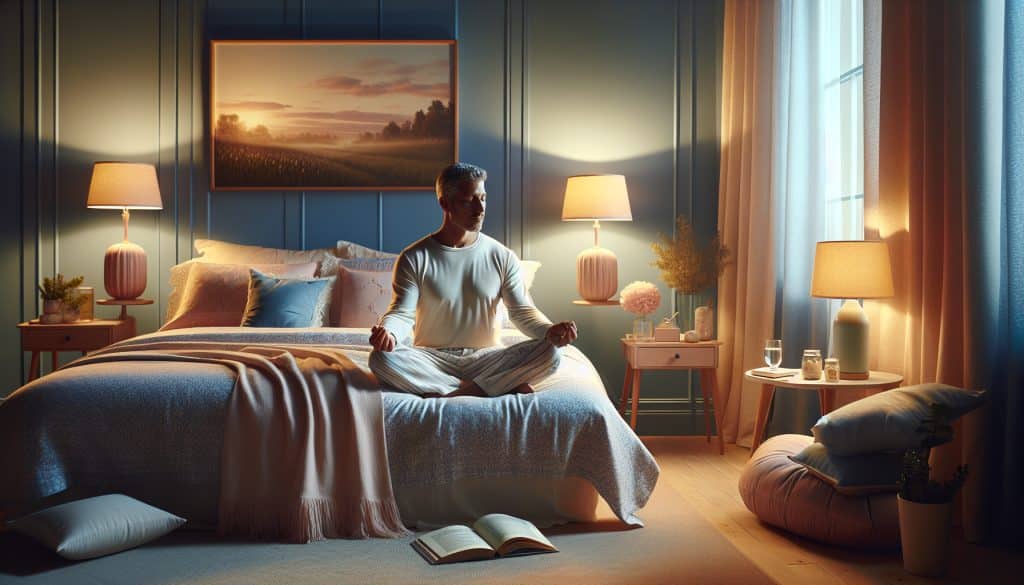
Getting a good night’s sleep is vital for maintaining good physical and mental health. However, many people struggle with sleep problems that affect their quality of life. In this article, we’ll provide valuable information and practical tips on how to sleep well, from creating a sleep-friendly environment to using relaxation techniques.
What are the benefits of sleeping well?
Getting enough sleep has many benefits for the body and mind. First, restorative sleep helps improve mental health, reducing the risk of conditions such as anxiety and depression. Adequate rest also improves concentration and memory, which are essential for performing well at work or in your studies.
In addition, sleeping well contributes to physical health. During sleep, the body repairs tissue, strengthens the immune system, and regulates important hormones. People who get enough sleep tend to maintain a healthy weight, as quality sleep affects the hormones that control hunger.
Good sleep quality is also linked to greater productivity and creativity. This means you’re better able to make decisions and face everyday challenges. Ultimately, sleep affects every aspect of our lives, from emotional health to physical performance.
How can I establish a regular sleep schedule?
Establishing a regular sleep schedule is crucial for improving sleep quality. This means going to bed and waking up at the same time every day, even on weekends. This helps your body adjust to a healthier sleep cycle. Here are some tips to help you do this:
- Identify your ideal bedtime: Figure out how many hours of sleep you need and adjust your bedtime accordingly.
- Avoid long naps: If you need to sleep during the day, try to keep your naps under 20 minutes.
- Develop a bedtime routine: Activities such as reading or meditating can help prepare your mind and body for sleep.
It’s also vital to limit screen time before bed, as blue light can interfere with the production of melatonin, a hormone that regulates sleep. Setting a consistent schedule will not only improve sleep quality, but also help you feel more rested and energetic during the day.
What should I do if I can’t fall asleep?
Many people struggle with insomnia and difficulty falling asleep. If this sounds familiar, there are several strategies you can try:
First, avoid looking at the clock. Worrying about not being able to sleep can make things worse. Instead, if you still can't sleep after 20 minutes, get out of bed and do something relaxing.
Second, practising relaxation techniques, such as deep breathing or meditation, can be very helpful. These techniques help calm your mind and reduce stress, promoting more restful sleep.

Finally, consider consulting a professional if your sleep problems persist. Sometimes insomnia can be a symptom of another condition that requires attention.
How to Create a Sleep-Friendly Environment
Your sleeping environment can have a major impact on your sleep quality. Here are some tips for creating a more comfortable space:
- Control the light: Use blackout curtains to block out light from outside, and consider using a soft bedside lamp.
- Control the noise: If you live in a noisy area, try using earplugs or a white noise machine.
- Adjust the temperature: The ideal temperature for sleeping is usually between 16 and 20 degrees Celsius.
Also, make sure your mattress and pillows are comfortable and in good condition. Proper support is essential for preventing aches and improving sleep quality.
What Foods Should I Avoid Before Bed?
Diet plays a crucial role in sleep quality. Some foods can make it harder to fall asleep. Here are some foods you should avoid before bed:
- Caffeine: Found in coffee, tea and some energy drinks, caffeine can make it harder to sleep if consumed in the afternoon or evening.
- Heavy foods: High-fat or heavily spiced meals can cause discomfort and indigestion.
- Alcohol: Although it can make you feel sleepy, alcohol interferes with the stages of deep sleep.
On the other hand, eating foods such as bananas, nuts or yoghurt may be beneficial, as they contain nutrients that can promote restful sleep.
What Relaxation Techniques Can I Try Before Bed?
Relaxation techniques are essential for calming the mind and preparing the body for sleep. Some of the most effective include:
- Deep breathing: Breathe in deeply through your nose and exhale slowly through your mouth, repeating several times.
- Gentle yoga: Practising yoga poses can help release tension built up in the body.
- Visualisation: Imagine a peaceful, relaxing place and allow yourself to enjoy the image for a few minutes.
Combining these techniques with a regular sleep routine can be a big step towards well-being and restful sleep.
Are There Home Remedies to Help You Sleep Through the Night?
Yes, there are several home remedies that may help you sleep through the night. Here are a few effective examples:
Chamomile tea is known for its sedative properties and is ideal for relaxing before bed. You could also try valerian or lavender tea, which have been shown to be effective in combating insomnia.

Some essential oils, such as lavender or bergamot, may also help create a relaxing atmosphere. You can use a diffuser or add a few drops to your pillow.
Finally, taking a warm bath before bed can help relax your muscles and prepare your body for sleep.

Related Questions About How to Sleep Well
What should you do to sleep well through the night?
Sleeping well through the night means creating the right environment and establishing a routine. It's important to stick to a regular schedule, avoid caffeine before bed and practise relaxation techniques. It's also crucial to make your bedroom comfortable and dark to promote rest.
What is the best sleeping position?
The best positions for sleeping are on your back or side. Sleeping on your stomach can put strain on your neck and spine. Make sure you have a suitable pillow that keeps your head aligned with your spine.
What is the 4 7 8 sleep technique?
The 4 7 8 technique is a breathing exercise that promotes relaxation. It involves inhaling through your nose while counting to 4, holding your breath while counting to 7, and exhaling slowly through your mouth while counting to 8. Repeating this cycle several times may help calm your mind and prepare your body for sleep.
How to Fall Asleep in 2 Minutes
To fall asleep in 2 minutes, you can try deep breathing while relaxing all the muscles in your body. It can also help to picture a peaceful, pleasant place and let your mind drift away from everyday worries.