Huitlacoche, also known as “Mexican caviar,” is a parasitic fungus that grows on corn. It has gone from being a despised food to a prized delicacy in fine dining. Its popularity has grown in recent years, especially in Mexican and Peruvian cuisine.
In this article, we’ll explore its origins, nutritional properties, culinary uses, and why it is considered a true delicacy of the gods. Join us as we discover everything about huitlacoche.
What Is Huitlacoche?
Huitlacoche is a parasitic fungus that affects corn and is known for its small, tumor-like appearance. The name of this fungus means “excrement of the gods” in Nahuatl. It has been part of Mexico’s culinary culture since pre-Columbian times.
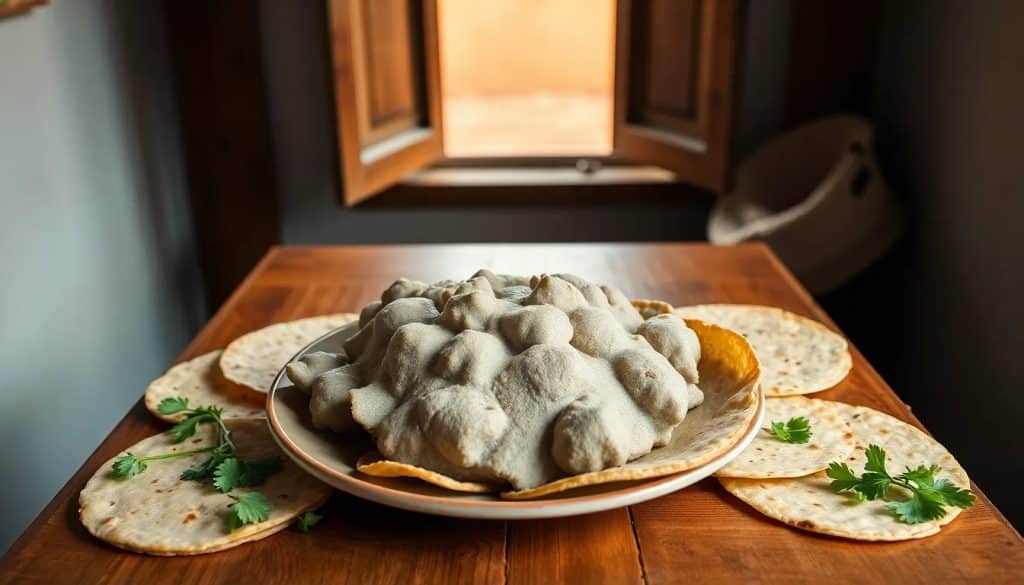
It grows mainly on corn cobs, turning the kernels into a grayish mass. Although it was initially seen as crop damage, people came to appreciate it over time for its unique flavor and high nutritional value.
This fungus has been used in a variety of dishes, from quesadillas to sauces, and its popularity has spread beyond Mexico. It can now be found even in fine-dining restaurants around the world.
Where Does Huitlacoche Come From?
Originally from Mexico, huitlacoche has been cultivated and eaten since the time of the Aztecs. It grows in various regions of Mexico, where corn is an essential crop.
Today, huitlacoche is also produced in other countries, such as Peru, where it has begun to gain popularity in fine dining. It requires specific growing conditions, making it a relatively rare and exclusive product.
As international cuisine has embraced exotic ingredients, huitlacoche has found its place in gourmet dishes, prized for its flavor and originality.
What Are the Nutritional Properties of Huitlacoche?
Huitlacoche is much more than just a fungus; it is a highly nutritious food. It contains large amounts of essential amino acids, protein, fiber, and antioxidants, making it a healthy choice for any diet.
Some of its most notable nutritional benefits include:
- High in fiber, which aids digestion.
- Rich in protein compared with other vegetables.
- Contains antioxidants, which help combat oxidative stress.
- Provides B vitamins and minerals such as zinc and iron.
So huitlacoche is not only a tasty ingredient, but also a good source of nutrients for anyone looking for a balanced diet.
How Is Huitlacoche Used in Cooking?
The versatility of huitlacoche in the kitchen is remarkable. It can be used in a variety of dishes, from traditional favorites to innovative creations. Its earthy flavor and unique texture make it ideal for a range of preparations.
Some popular ways to use huitlacoche include:
- Quesadillas: Filled with cheese and huitlacoche, they make a delicious dish.
- Salsas: It can be added to salsas to give tacos and meats a special touch.
- Fillings: It can be used as a filling for tamales or empanadas.
- Gourmet dishes: Innovative chefs use it in risottos, pasta, and pizzas.
It is also available canned or frozen, so it can be used year-round and easily added to a wide variety of recipes.
What does huitlacoche taste like?
The flavor of huitlacoche is hard to describe, as it combines earthy notes with a slight hint of sweetness. Many compare it to the taste of black truffles, which is part of the reason it is considered a delicacy.
Its texture is smooth and creamy, making it ideal for mixing into a variety of dishes. When cooked, its flavor intensifies, offering a unique and sophisticated culinary experience.
Food experts point out that huitlacoche can elevate any dish, turning a simple meal into a gourmet experience. It is therefore ideal for those looking to explore new flavors in the kitchen.
Why is huitlacoche considered a delicacy?
Huitlacoche is considered a delicacy for several reasons. First, its rarity and the labor-intensive harvesting process make it an exclusive product that appeals to food lovers.
In addition, its intense flavor and aroma, similar to those of truffles, have earned it a special place in fine dining. Many renowned chefs use it in their dishes, contributing to its fame and acceptance in the culinary world.
Finally, its nutritional value and connection to Mexico's culinary culture make it even more special. Since ancient times, huitlacoche has been valued not only for its flavor but also for its symbolism and history, making it a true culinary treasure.
Frequently Asked Questions About Huitlacoche
What is the food of the gods?
The term “food of the gods” is often used to describe exotic, high-quality foods. In this context, huitlacoche is considered one of these delicacies, given its unique flavor and the way it has been valued throughout history in Mexican cuisine.
What does huitlacoche cure?
Huitlacoche is not only a tasty food but is also said to have health benefits. It is credited with benefits such as strengthening the immune system and supporting digestive health because of its high fiber content.
In addition, its abundance of antioxidants may help prevent various diseases by helping the body combat oxidative stress and improve overall health.
What food is considered the food of the gods?
Several foods are considered “food of the gods,” including black truffles, caviar and, of course, huitlacoche. These foods are prized for their rarity, intense flavor and status in haute cuisine.
What does huitlacoche mean?
The term huitlacoche comes from Nahuatl and means “excrement of the gods.” In ancient times, this parasitic fungus that grows on corn was considered a delicacy and a symbol of fertility and abundance. Its meaning has evolved, and today it is seen as a culinary treasure.