Dolphins are fascinating creatures that spark the curiosity of many. One of the most common questions is: If dolphins cannot drink the water they swim in, how do they stay hydrated? Despite living in a marine environment, these mammals have developed unique ways to get the water they need.
In this article, we'll explore how dolphins stay hydrated, what they eat, and the challenges they face in their natural habitat.
How do dolphins stay hydrated if they cannot drink water?
Dolphins do not have salt glands that allow them to filter excess salt from seawater. This means that instead of drinking salt water, they get the hydration they need from other sources. A dolphin's diet is essential for staying hydrated. Eating fish and other marine organisms is key to their well-being.
In fact, it is estimated that 70% to 85% of the mass of the fish they eat is water. When dolphins eat this food, they get a significant amount of water that helps meet their hydration needs.
In addition, these marine mammals also produce metabolic water through the breakdown of organic molecules in their cells, which contributes to their hydration.
Which family do dolphins belong to?
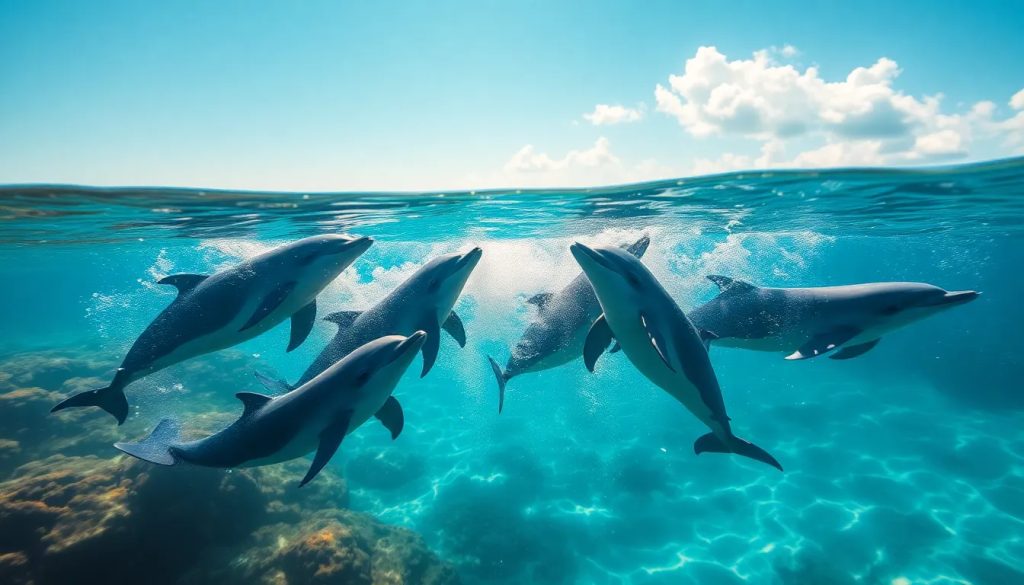
Dolphins belong to the family Delphinidae, which includes more than 40 different species. They are all marine mammals, and their adaptations allow them to live in a variety of marine ecosystems. This family includes species such as the bottlenose dolphin and the common dolphin.
Dolphins are known for their intelligence and social skills, which allow them to form groups called pods. These groups are essential for hunting and protection.
The diversity of dolphin species reflects their adaptation to different habitats, from coastal waters to the open ocean. Their ability to live in different marine ecosystems is a testament to their evolution.
What do dolphins eat, and how does their diet keep them hydrated?
A dolphin's diet varies depending on its species and habitat. Generally, dolphins eat fish, squid, and crustaceans. This variety in their diet is essential to their survival and health.
- Fish are a primary food source, providing them not only with nutrients but also with water.
- Squid are another food source rich in water and protein.
- Dolphins often hunt in groups, which makes them more efficient at feeding.
The relationship between the dolphins' diet and their hydration is direct. By eating prey that is mostly water, dolphins maintain their fluid balance. This is crucial, especially as environmental changes affect the availability of their prey.
Where do dolphins get water?
Dolphins get most of their water from their food. As mentioned earlier, eating fish and other marine organisms provides them with a significant amount of water. This is especially important for their survival in environments where fresh water is scarce.
In addition to getting water from their prey, dolphins also produce metabolic water. This happens when the body breaks down food and uses chemical reactions to generate energy. Water is released in the process, further contributing to their hydration.
These two sources of water combined are essential for dolphin hydration. However, the quality of their environment matters, as factors such as pollution can affect the availability of their food.
Do dolphins drink metabolic water?
Yes, dolphins can get water in two ways: through their diet and from the metabolic water produced in their bodies. This water is generated as they metabolise the food they eat.
Metabolic water is especially important for dolphins because it helps them stay hydrated even when food is scarce. This is a unique adaptation to life in the ocean, where access to fresh water is virtually nonexistent.
How do overfishing and global warming affect dolphins?
Overfishing and global warming pose serious threats to dolphins and their food supply. Declining fish populations directly reduce the food available to these mammals, which can lead to hydration and nutrition problems.
Global warming is also changing the dynamics of marine ecosystems. Changes in water temperature and acidity can affect fish populations. This, in turn, affects dolphins' ability to find food and stay hydrated.
Ocean pollution can also harm dolphins' health and affect the quality of their food, potentially compromising their long-term well-being.
Are dolphins intelligent animals?
Dolphins are widely recognised for their intelligence. They can solve problems, communicate with one another and display complex social behaviour. They have an impressive capacity for learning and can perform tricks and tasks that require critical thinking.
Dolphins' intelligence is also evident in their ability to hunt and work in groups. This not only helps them find food but also strengthens their social bonds within the pod. Their social behaviour is a fundamental part of their success as a species.
Studies have shown that dolphins can recognise their reflection in a mirror, suggesting a degree of self-awareness. This ability to identify themselves is one of the most impressive indicators of their intelligence.
Related questions about dolphin hydration and survival
How do dolphins stay hydrated?
As discussed, dolphins stay hydrated mainly through their diet, eating fish and other marine organisms that contain a high percentage of water. They also produce metabolic water by digesting their food. Together, these sources meet their water needs without requiring them to drink seawater.
How do dolphins get water to drink?
Dolphins don't get water from the sea; they rely on their food. Most of the fish they eat are rich in water, providing the hydration they need. Water produced during digestion also contributes to their water intake.
Why can't dolphins live out of water?
Dolphins are aquatic mammals that need water to survive. Their physiology is adapted to a marine environment, and out of the water, their skin dries out quickly, which can be fatal. They also rely on water's buoyancy to prevent gravity from damaging their internal organs.
How long can a dolphin stay underwater?
Dolphins can hold their breath for a considerable time, generally between 8 and 10 minutes, though some can hold it for up to 15 minutes. This allows them to dive deep in search of food. However, most of the time, they prefer to surface every few minutes to breathe.