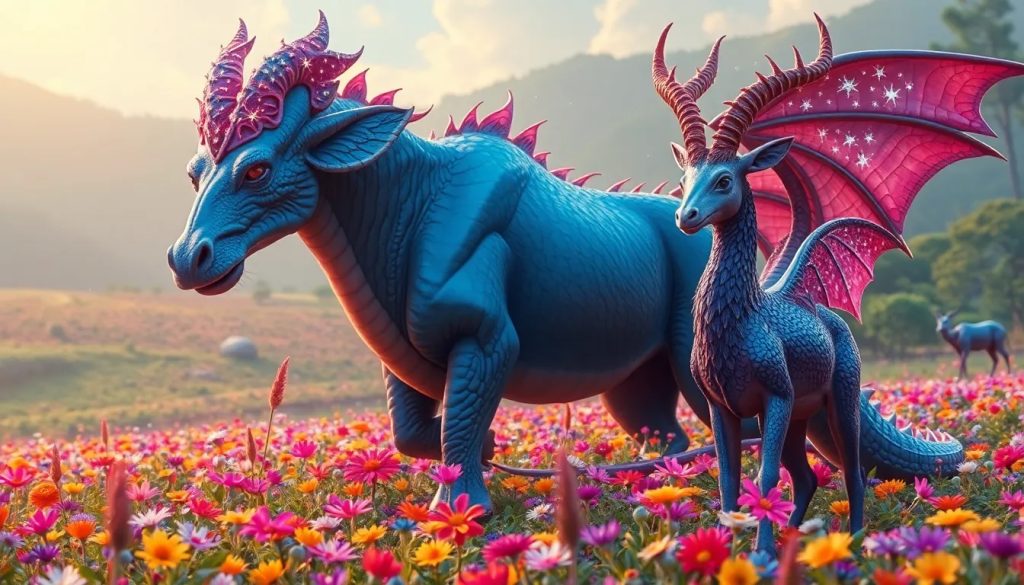
The concept of imaginary animals encompasses a wide variety of beings that have captured the human imagination throughout history. From mythical creatures to beings from fantasy literature, these entities invite us to explore worlds filled with fantasy and creativity. This article delves into the fascinating universe of imaginary animals, examining their meaning, types, and presence in popular culture.
Imaginary animals are more than mere creations; they are part of mythologies, legends, and narratives passed down from generation to generation. Below, we’ll discover their characteristics, origins, and how they have become part of our culture.
What Are Imaginary Animals?
Imaginary animals are beings that do not exist in reality but have been created through the human imagination. They are characterized by combining traits from different species, giving them unique and fascinating qualities. These creatures have featured in stories, myths, and legends throughout history.
Since ancient times, humans have used imaginary animals to explain the unknown. For example, Greek mythographers included creatures such as the chimera and the centaur in their stories, using these beings to symbolize complex concepts and human emotions.
Today, imaginary animals continue to inspire writers and filmmakers. In contemporary literature, for example, authors such as Jorge Luis Borges have explored these beings in works such as “The Book of Imaginary Beings,” which combines reality and fantasy in a remarkable way.
What Types of Imaginary Animals Are There?
Imaginary animals can be classified into several categories, depending on their cultural context and characteristics. Below, we describe some of the most common types:
- Mythological: These creatures come from the mythologies of various cultures. Examples include dragons, unicorns, and griffins.
- Cryptids: Beings whose existence has not been proven, such as the Yeti or the Loch Ness Monster.
- Literary: Creatures created by authors for works of fiction, such as J.K. Rowling’s fantastic beasts in Harry Potter.
- Folklore: Beings featured in legends and folk tales, such as the Chupacabra or La Llorona.
Each type of imaginary animal has its own legacy and meaning. For example, dragons are associated not only with strength but also with wisdom and power in various cultures.
Imaginary Animals in Popular Culture
The influence of imaginary animals extends into popular culture, where they have become symbols of creativity and innovation. From films to video games, these creatures have captured the attention of audiences worldwide.
In film, imaginary animals in movies have starred in unforgettable stories. Examples such as «Harry Potter» have popularized creatures like the phoenix and the hippogriff, captivating audiences with these fantastical portrayals.
In literature, too, numerous books have explored the world of imaginary animals. Works such as «The Hobbit» by J.R.R. Tolkien feature mythical beings that enrich the narrative and allow readers to immerse themselves in parallel universes.
How Are Imaginary Animals Created?
Creating imaginary animals is a fascinating process that combines science, fantasy, and creativity. Authors often find inspiration in nature, observing real species and combining their characteristics to create unique beings.
To create an imaginary animal, you can follow several steps:
- Research real animals and their characteristics.
- Combine the physical and behavioral traits of different species.
- Include elements of mythology or folklore to enrich the creature’s backstory.
- Develop an environment suited to this new creature.
This process not only makes it possible to create entirely new beings but also encourages creativity and critical thinking. Imagination can lead to the creation of creatures that defy expectations and become part of popular culture.
Famous Examples of Imaginary Animals
Throughout history, many imaginary animals have become iconic. Notable examples include:
- The dragon: Found in several cultures, it symbolizes power and wisdom.
- The unicorn: It represents purity and magic and is often associated with medieval legends.
- Chimeras: Creatures with parts from different animals, commonly mentioned in Greek mythology.
- The kraken: A sea monster that has captured the imagination of many over the centuries.
- Griffins: Creatures with the body of a lion and the head of an eagle, symbolizing vigilance and strength.
These examples show how imaginary animals have evolved over the years, adapting to new narratives and cultural contexts.
Where can I find books about imaginary animals?
Literature about imaginary animals is extensive and varied. There are many publishers and bookstores where you can explore this fascinating subject. Some good options include:
- Bubok: A platform where you can find books about fantasy and mythical creatures.
- Amazon: Offers a wide selection of books about imaginary and mythological beings.
- Local libraries: Many libraries have sections dedicated to fantasy literature.
Exploring these resources can provide a deep understanding of how imaginary animals have influenced storytelling and art over the years.
Related questions about the world of imaginary animals
What are imaginary animals called?
Imaginary animals can have a variety of names, depending on their cultural origin and the narratives in which they appear. Some examples include:
- Dragon: Known in many mythologies as a symbol of power.
- Unicorn: A mythical creature representing purity and beauty.
- Griffin: A creature that combines the features of an eagle and a lion.
These names do more than identify the creatures; they also reflect their significance in the cultures that created them. The variety of names also highlights the rich tradition of legends and mythologies around the world.
What is an example of an imaginary animal?
A classic example of an imaginary animal is the dragon. This creature has been depicted in many cultures as a powerful being, often with the ability to fly and breathe fire. In Chinese mythology, dragons are symbols of good fortune and wisdom, while in Western culture they may be seen as threatening creatures that guard treasure.
Their versatility and presence in different stories have made dragons some of the most recognizable and enduring imaginary animals in human history.
What are the 5 mythological animals?
Mythological animals are creatures featured in the stories and legends of various cultures. Here are five of the best known:
- The phoenix: A bird that rises from its ashes, symbolizing immortality.
- The chimera: A creature combining parts of a lion, a goat, and a serpent.
- The Minotaur: A being with the body of a man and the head of a bull, who lives in the Labyrinth of Crete.
- Mermaids: Half-woman, half-fish creatures that lure sailors with their songs.
- The kraken: A sea monster said to drag ships down into the depths of the ocean.
These beings not only represent the diversity of world mythology, but also reflect the fears and aspirations of the cultures that created them.
What are some fictional animals?
Fictional animals encompass a wide range of creatures created for stories. Some well-known examples include:
- The Yeti: A mythical creature from the Himalayas, often considered a cryptid.
- Pokémon: Creatures from a famous video game franchise that have captured the imagination of millions.
- The creatures of Avatar: In the world of Pandora, we find beings such as the banshee and the direhorse.
These creations not only enrich their respective stories but also allow creators to explore concepts and themes in a unique way.