
The debate over whether drinking cold water is bad for you has been going on for years. Many people have their own beliefs and myths about it, while others focus more on the benefits of staying hydrated. In this article, we’ll explore the different aspects of drinking cold water and its effects on the body.
From potential benefits to possible drawbacks, we’ll look at whether there’s any basis to the idea that drinking cold water is harmful to your health, and when it might be advisable to choose warm or hot water instead.
Benefits of drinking cold water
Drinking cold water isn’t inherently bad. In fact, it can offer several health benefits in certain situations. For example, after exercising, cold water helps lower your body temperature, which can be refreshing and necessary.
Cold water may also be more enjoyable for some people, making it easier for them to stay hydrated. Staying properly hydrated is crucial for keeping your body functioning properly, so if you prefer cold water, go for it!
However, some people find that cold water causes stomach discomfort. These effects can vary from person to person, depending on their overall health and tolerance for extreme temperatures.
Is drinking cold water bad for your throat?
The belief that drinking cold water negatively affects your throat is a myth that has persisted across various cultures. Although some people may experience discomfort when drinking cold water, this doesn’t necessarily mean it’s harmful. It may simply come down to individual sensitivity.
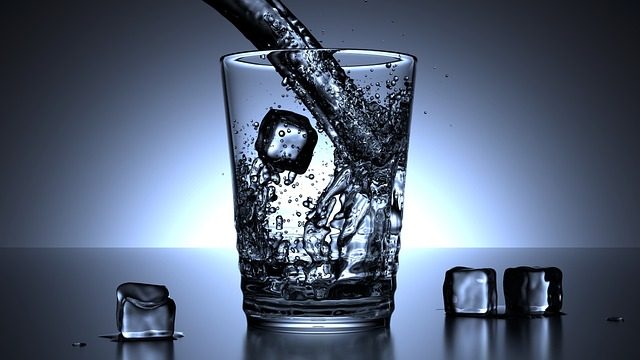
In general, cold water may cause the blood vessels in the throat to constrict, which can feel uncomfortable. However, there’s no strong scientific evidence to support the idea that this causes long-term damage.
If you’re prone to throat infections or other throat problems, warm water may be a better choice, as it can help soothe irritation.
Is it true that drinking cold water causes digestive shock?
One of the most common myths is that drinking cold water causes digestive shock. This term refers to the idea that cold water can interrupt the digestive process, causing discomfort or indigestion. However, the reality is more complex.
Although drinking cold water may temporarily slow digestion by cooling the stomach, it has not been shown to cause a “shock” to the digestive process. In fact, drinking water with meals can aid digestion by softening food and helping it pass through the gastrointestinal system.
Therefore, if you don’t have any pre-existing digestive problems, there is no need to worry about feeling unwell from drinking cold water with meals.
Why drink cold water?
The need to drink cold water depends on several factors, such as the ambient temperature and your level of physical activity. In hot weather, cold water can be especially refreshing and may help regulate your body temperature.

In addition, many people find cold water more appealing, which motivates them to stay hydrated. Staying properly hydrated is essential for good health, and if cold water helps you drink more, it is a perfectly valid choice.
However, it is important to pay attention to your body’s signals. If you find that cold water causes discomfort or digestive problems, consider changing the temperature of the water you drink.
Is it good to drink cold water before bed?
Drinking cold water before bed may not be the best choice for everyone. Some people may find that cold water upsets their stomach or makes it harder to fall asleep. The temperature of the water can affect how our bodies prepare for rest.
On the other hand, some people prefer cold water before bed and have no problems. It is important to listen to your body and adjust your hydration habits according to what makes you feel best.
If you have trouble sleeping, warm water may be a more suitable alternative, as it can have a relaxing effect.
Does cold water make you gain or lose weight?
A common myth is that cold water can affect body weight, either causing weight gain or helping you lose weight. In reality, cold water does not cause weight gain. Drinking water, regardless of its temperature, contains no calories and therefore does not contribute to weight gain.
Drinking cold water may, in fact, have a slightly positive effect on metabolism, as the body uses energy to warm the water to body temperature. However, this effect is minimal and should not be a determining factor in weight loss.
The main focus should be on a balanced diet and regular exercise if you're looking to manage your weight. Staying properly hydrated is essential, and water temperature can come down to personal preference.
Related Questions About Drinking Cold Water
What Does Drinking Cold Water Do to Your Body?
Drinking cold water can trigger various reactions in the body. These include constriction of the blood vessels, which may cause discomfort for some people. Cold water may also temporarily slow digestion, although there is no evidence that it causes lasting harm.
On the other hand, cold water can be refreshing and help regulate body temperature, especially after exercise. The effects vary depending on individual sensitivity, so it’s important to pay attention to how your body responds.
Which Is Better: Room-Temperature or Cold Water?
Whether to drink room-temperature or cold water depends on personal preferences and circumstances. Cold water may be more refreshing in hot weather and after exercise, while room-temperature water may be easier for some people to digest.
Both options are fine, and the most important thing is to stay well hydrated. You can switch between cold and room-temperature water depending on your mood, physical activity, and the ambient temperature. Staying hydrated is what matters most.
Why Shouldn’t You Drink Cold Water?
There is no general reason to avoid drinking cold water. However, some people may experience digestive discomfort or throat irritation after drinking it. This is more a matter of individual sensitivity than a health risk.
If drinking cold water makes you uncomfortable, you may want to choose warm or room-temperature water instead. The key is to listen to your body and adjust your hydration habits to feel better.
What Does Cold Water Do to Your Stomach?
Drinking cold water may cause a slight contraction of the stomach muscles. This temporary effect can cause discomfort, especially if you drink a large amount or have an empty stomach. However, it has not been shown to cause serious problems.
For most people, cold water can be digested without any problems and may help them stay hydrated. If you find that cold water makes you uncomfortable, consider switching to warm or room-temperature water to make drinking more pleasant.