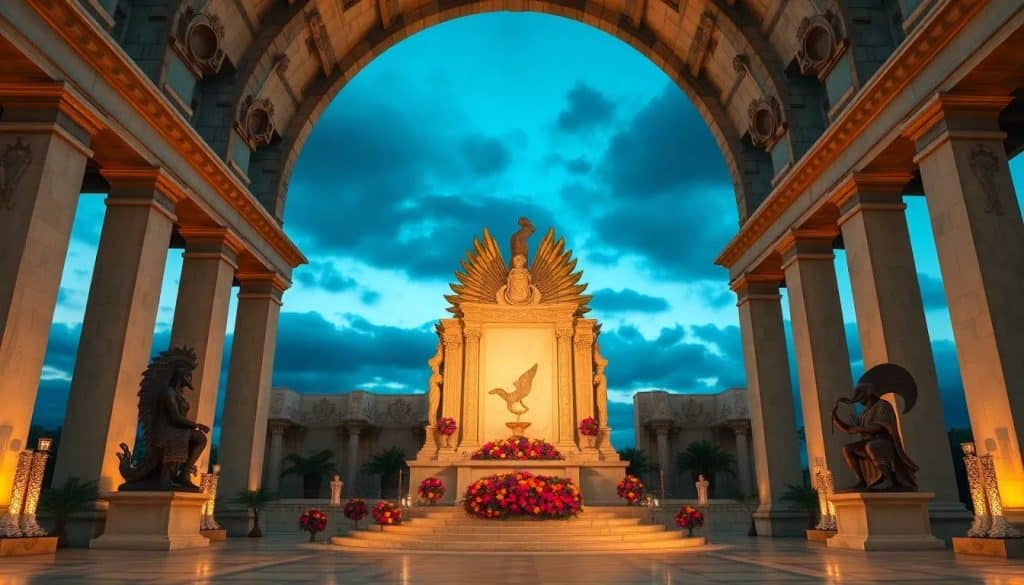
Roman mythology is a fascinating tapestry of beliefs and gods that shaped the culture of ancient Rome. With a diverse pantheon, the Romans adopted and adapted deities from other cultures, especially Greek mythology, creating a rich tradition of worship and rituals.
In this article, we’ll take an in-depth look at the Latin gods in Rome, their importance in Roman religion, and how they influenced various aspects of daily life in ancient Rome. From Jupiter to Venus, each god played an essential role in the history and culture of the time.
Roman Mythology
Roman mythology is characterised by its complexity and wide range of gods and myths. Unlike Greek mythology, which is based on narrative tales, the Romans incorporated various influences to create a more pluralistic belief system.
- Roman religion was deeply ceremonial, with rituals dedicated to each god.
- Roman myths often emphasised morality and ethics, reflecting the values of Roman society.
- The gods were seen as protectors of the city and its inhabitants, fostering a sense of community.
Roman mythology therefore served not only as a religious framework but also as a reflection of Rome’s cultural identity. Through periods of expansion and syncretism, it evolved, adapting to new influences without losing its essence.
What Is Roman Mythology, and How Does It Differ from Greek Mythology?
Roman mythology is the collection of beliefs, myths and rituals centred on the gods and heroes of ancient Rome. Unlike Greek mythology, which features epic tales, Roman mythology tends to focus on the gods’ practical role in everyday life.
One of the main differences lies in how each culture understood its gods. The Greeks, with their greater focus on storytelling and heroism, contrasted with the Romans, who saw their gods as an integral part of society and politics.
The two mythologies nevertheless share many similarities. Greek influence was so significant that many Roman gods are actually adaptations of Greek ones. For example, Jupiter (Zeus in Greek) and Mars (Ares in Greek) are central figures in their respective mythologies.
Who Are the Main Gods of Roman Mythology?
There are many Latin gods in Rome, but some stand out for their importance and popularity. They include:
- Jupiter: King of the gods, god of the sky and thunder.
- Juno: Jupiter’s wife and goddess of marriage and family.
- Neptune: God of the seas and earthquakes.
- Mars: God of war and protector of Rome.
- Venus: Goddess of love and beauty.
Each of these gods had temples and rituals dedicated to them and was invoked in different areas of daily life, from agriculture to war. Their worship was essential to securing divine favor in the lives of the Romans.
What Was Juno’s Role in the Roman Pantheon?
As the goddess of marriage and family, Juno played a crucial role in Rome’s social and religious life. She was not only Jupiter’s wife but was also considered his equal in importance and power.
Her influence extended to women and motherhood, symbolizing protection and fertility. The Romans held festivals in her honor, such as the Matronalia, during which women prayed for her blessing.
Juno was also regarded as the protector of the city of Rome and associated with the concept of “pax deorum,” or peace with the gods, which ensured the city’s prosperity. Her image was worshipped in temples and at altars throughout the Empire.
Why Was Neptune, God of the Seas, Important in Roman Religion?
Neptune was a central figure in Roman mythology, representing not only the seas but also the energy and chaos they could bring. As the god of water, he was responsible for navigation and was invoked to ensure safe journeys.
The Romans believed Neptune could cause storms and earthquakes, so worshipping him was vital for fishers and sailors. During ceremonies, sacrifices were offered to appease his anger and seek his favor.
His depictions in Latin art and literature also highlight his importance in Roman culture. His imposing figure and myths reflect the Romans’ relationship with the sea and nature.
How Is the Underworld Portrayed in Roman Mythology?
The underworld in Roman mythology, known as Orcus or Hades, was considered a dark place where the souls of the dead were led. Unlike the Greek vision, which was more narrative in focus, the Roman underworld was seen as a place of punishment and reward.
The Romans believed the underworld had several levels, where souls were judged according to their actions in life. Various deities associated with this realm were worshipped, including Pluto, god of wealth and death, and Proserpina, goddess of spring and queen of the underworld.
Funeral ceremonies were essential, and rituals were performed to ensure souls had a peaceful journey and to maintain peace with the dead, who could influence the lives of the living.
Latin Gods in Rome: A Detailed Analysis
The Latin gods in Rome were not only deities of worship but also represented aspects of daily life and Roman identity. Their veneration reflected the beliefs and values of society.
Over time, many Roman gods came to be identified with their Greek counterparts, while retaining unique characteristics that reflected Roman culture. This cultural syncretism enriched mythology, creating a diverse pantheon that continues to be studied today.
- Jupiter’s influence and his relationship with political power.
- The depiction of Venus as a symbol of love and beauty in art.
- The importance of Mars in warfare, reflecting Rome’s warlike nature.
Latin literature, such as the Aeneid, also played a crucial role in preserving these stories. Virgil’s work not only recounts the adventures of Aeneas but also weaves mythology together with Roman history and identity.
The Influence of Greek Mythology on Roman Mythology
Roman mythology was deeply influenced by Greek mythology, especially as Rome expanded and absorbed diverse cultures. The Romans adopted many Greek gods, adapting their stories and attributes to their own context.
This syncretism is evident in the way figures such as Jupiter and Neptune were reinterpreted, with direct parallels to Zeus and Poseidon. However, the Romans were also keen to create their own narrative, emphasizing values such as duty and loyalty, which were fundamental to their society.
Latin literature and artistic depictions also reflect this cultural fusion, showing how Greek deities were assimilated and reinterpreted in Roman culture. Mythology thus became a vehicle for expressing Roman identity, blending the best of both traditions.
Related Questions About the Latin Gods in Rome
Who Are the Latin Gods?
The Latin gods were deities who formed part of the pantheon of ancient Rome. They include figures such as Jupiter, Juno, Neptune, Mars, and Venus. Each of these gods had specific attributes and was worshipped for different reasons, reflecting the complexity of Roman religion.
Which Gods Did the Romans Worship?
The Romans worshipped a wide range of gods, many of whom came from Greek mythology. In addition to those mentioned, they also worshipped minor deities and the Lares, protective spirits of the home and family. Every aspect of daily life could be associated with a particular god.
Who Are Some Latin American Gods?
Latin American gods vary by culture and region, but some of the best-known include Quetzalcoatl in Mesoamerica and Pachamama in the Andean region. These deities reflect indigenous beliefs and traditions that, despite their differences, share the importance of spirituality in daily life.
Which Latin Hero Founded Rome?
According to mythology, the hero Aeneas is considered the founder of Rome. After the end of the Trojan War, he journeyed to Italy, where his descendants, Romulus and Remus, founded the city. The story of Aeneas is emblematic of Roman values of duty and destiny.