Panic attacks are one of the most common and debilitating forms of anxiety. They are not dangerous in themselves, but they can lead to other health problems if left untreated. In this article, we at recomiendo.es discuss their causes and symptoms, and how to get rid of them for good.
Many people experience only one or two panic attacks in their lives, and the problem goes away, perhaps when a stressful situation ends. But if you have had recurrent, unexpected panic attacks and spent long periods constantly fearing another one, you may have a condition called panic disorder.
Although panic attacks themselves are not life-threatening, they can be frightening and significantly affect your quality of life. Treatment can be very effective, especially when started early.
An unexpected panic attack never comes at a good time. A person may suddenly feel anxious without any warning sign or trigger.
Panic attacks can happen to anyone, and people often don't know what caused them in the first place. But if you have more than one, it could be a sign that something else is going on.
The DSM-5 does not specifically recognize anxiety attacks. However, it classifies many common psychiatric conditions that cause extreme distress due to excessive worry about what is happening now or what may happen in the future as anxiety disorders.

What Is a Panic Attack?
The term “panic attack” is often used to describe a sudden, intense feeling of fear or apprehension that comes on without warning and peaks within 10 minutes, but can last up to 30 minutes.
This is the most common type of panic disorder and can be debilitating.
There are many different triggers that can cause someone to have a panic attack.
It may include some or all of these symptoms:
- Palpitations or an increased heart rate
- Sweating and excessively clammy skin
- Trembling or shaking
- Hyperventilation, which can make you feel unable to breathe, and nausea
- You may start to feel dizzy, as if you are about to faint.
Feelings of fear, such as fear of dying, losing control, or going crazy, may also accompany these physical sensations at the height of an attack.
People with panic disorder often experience anticipatory anxiety before having further episodes because they know what is coming. This is known as anticipatory worry (AW).
Symptoms of anxiety disorder include worry, distress, and fear.
Anxiety is usually linked to anticipating a stressful situation or event. It can develop gradually, but it can also come on suddenly.
Because these attacks are not formally recognized as a diagnosis, their signs and symptoms are open to interpretation: someone may describe having an “anxiety attack” with symptoms another person has never experienced, even though that person says they have also had problems with “anxiety” from time to time.
As well as being frightening for the person experiencing them, panic attacks can have a major impact on work, relationships with others, and self-esteem.
The difference between panic attack disorder (PAD) and other anxiety disorders is that PAD involves recurrent, unexpected panic attacks that are not linked to any specific trigger. By contrast, some people may experience panic episodes triggered by particular situations, such as social interactions or travel.
According to the American Psychological Association, one in 75 people has panic disorder. It can seriously affect quality of life, but effective treatments are available for people with this mental health condition.
People with panic disorder may have one or more panic attacks and otherwise be perfectly happy and healthy. Symptoms may also occur as part of another disorder, such as social phobia or depression.
Whatever the cause, it is not something you have to live with forever.
You can reduce your symptoms with strategies such as breathing exercises, which can help you regain control of your life after it has been unfairly taken from you.
You may think it is just one condition, but in reality, there are many causes of these feelings of panic—some even associated with other disorders!
However, you don't have to let this feeling overwhelm you. Use methods such as exercise, hypnosis, NLP, meditation, and deep-breathing techniques to reduce these distressing sensations.
What Causes a Panic Attack?
Panic disorder can run in families, but no one knows for sure why some family members have it and others do not.
Researchers have found that several parts of the brain, as well as biological processes, play a key role in fear and anxiety.
Some researchers believe that people with panic disorders misinterpret harmless bodily sensations as threats because they are not aware of what is happening in their bodies—a phenomenon known as somatic awareness or body awareness. Learning more about how the brain works may also help us find ways to improve treatments.
Scientists hope that understanding these connections will make it possible to tailor treatment to each person rather than take a one-size-fits-all approach.
As a result, patients who receive medication tailored to their needs, rather than generic treatments prescribed to everyone without considering how they respond, will have better outcomes.
Although this area has been extensively researched, the causes of panic attacks and panic disorder are not fully known or understood. However, these factors may play a role:
- Genetics
- Major stress
- A temperament that is more sensitive to stress or prone to negative emotions
- Certain changes in how some parts of the brain function
The cause of panic attacks (or panic) is unknown. However, many theories have been proposed about why they may occur.
One theory is that they are related to the brain's fight-or-flight response, which triggers an adrenaline rush when we face danger (for example, when wild animals are chasing us).
Another possible explanation is that some people with depression experience terrible feelings at random times, such as intense sadness, hopelessness, or helplessness. This often leads them to believe they are having a heart attack because the symptoms are very similar.
Panic Attack Symptoms
Panic attacks are common, so you may find it easy to recognize the symptoms.
You may feel tired and exhausted after your body releases adrenaline in an attempt to protect itself from what initially seemed like imminent danger but turned out not to be dangerous at all.
The symptoms of a panic attack are similar to those of chest pain and are often confused with them.
Symptoms include:
- Chest discomfort, pressure, or tightness lasting more than 15 minutes, often accompanied by palpitations
- A burning sensation in the stomach
- Sweating and chills
- Feeling unable to breathe properly, even though your breathing is normal
- A sense of doom or imminent danger
- Fear of losing control or dying
- A rapid, pounding heartbeat
- Sweating
- Trembling or shaking
- Shortness of breath or tightness in the throat
- Chills
- Hot flashes
- Nausea
- Abdominal cramps
- Chest pain
- Headache
- Dizziness, lightheadedness, or fainting
- Numbness or tingling
- A sense of unreality or detachment
One of the worst things about panic attacks is constantly fearing that they will happen again. You may fear another attack so much that it disrupts your life and makes you avoid people or places where a panic attack might occur.
They usually last less than ten minutes, but some people have experienced them lasting up to an hour. Some people may experience these episodes for days without anyone being able to pinpoint what triggered them in the first place. How often this happens varies from person to person.
What can trigger a panic attack?
Having panic attacks can be truly frightening, but fortunately, they are not life-threatening.
The good news is that many people who experience one or two panic episodes without further complications never have another attack, so there is no need to worry if this sounds like you.
However, for some people, experiencing one or two anxiety attacks can lead to the development of panic disorder.
This involves repeated panic episodes combined with significant changes in behavior, as well as persistent worries about the next episode.
Some possible triggers include
- Major life stress, such as the death or serious illness of a loved one.
- A traumatic event, such as sexual assault or a serious accident.
- Major life changes, such as a divorce or the birth of a baby.
- Smoking or consuming too much caffeine
- A history of childhood abuse
A panic attack can be something you never forget because of its intensity and terror.
Even if they last only a few minutes, they become part of your life, with lasting effects on your self-esteem and everyday activities such as school or work.
Over time, they can lead to symptoms such as avoiding crowded places and feeling unsafe in situations where you do not feel in control of what will happen next or whenever you are outside your comfort zone.
They can also lead to elevated blood pressure when anticipating future events that are in some way unavoidable, such as speaking at an event, interacting with people, or being in open spaces.
The most important thing about panic attacks is how the things we cannot control affect everyday life.
What does a panic attack feel like?
“The feeling came on slowly, like a trickle of water turning into a flood. I was in the middle of an important meeting with my boss when it started to come over me, and things became really confusing. My jaw was shaking uncontrollably, and my whole body was trembling. I was hyperventilating and crying in panic because the feeling that I was about to pass out seemed so convincing.
What seemed like countless hours passed before someone helped me calm down. Although many people had tried to tell me at various times, they did not know how to describe that very particular feeling; most just said, ‘You’re anxious’ or ‘Hey, are you okay?’, but no one knew what had really happened. When I went to the doctor and explained all the details, they immediately knew what had happened.”
This is Jane’s story… But it could also be yours or that of anyone else who experiences typical panic attacks.
If this story sounds familiar, you may have experienced a panic attack too. They are startling and can happen at any time.
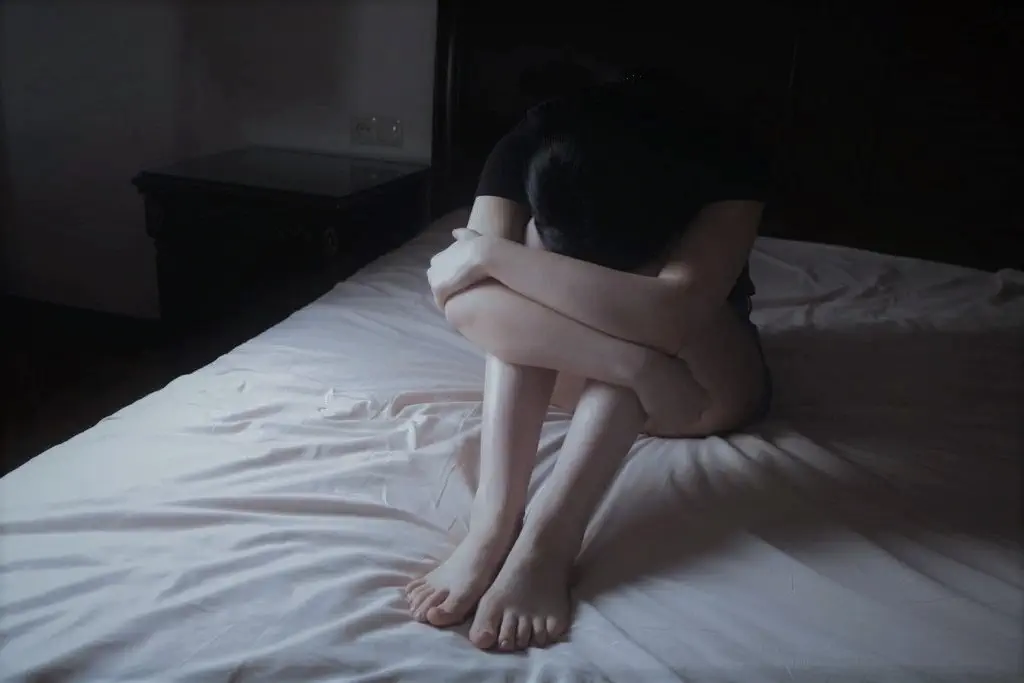
Sometimes they happen while you are asleep, waiting in line at your local grocery store, or taking a shower. Whenever they occur, you never expect them.
Sometimes the fear is so intense that people think they are having a heart attack, dying, or going crazy, even though these thoughts do not make sense given what is happening around them.
Most people who experience panic attacks have two to four of the following symptoms
- a racing heartbeat
- trembling hands or a shaky voice
- chest tightness (like a heavy weight)
- tingling sensation
- dizziness
- fearful thoughts
- overwhelming feelings
- a feeling of terror or impending doom
- sweating or chills
- chest pain
- difficulty breathing
- a feeling of losing control
What to Do When You Have a Panic Attack
If you experience panic symptoms, it is important to speak to your doctor as soon as possible. Your doctor will examine you and ask about your health history to check for possible physical problems.
If there does not appear to be a medical problem, your doctor may refer you to a mental health specialist, such as a psychiatrist or psychologist, who can offer treatment options such as psychotherapy or medication, depending on your situation.
A panic attack is a sudden, intense feeling of fear that can last up to 30 minutes. It is usually followed by at least a month of persistent worry about having another attack, as well as ongoing symptoms and concerns about how they might interfere with daily life.
People who have experienced a traumatic event at some point in their lives are more likely to have an episode than those who have not been exposed to trauma.
Five Ways to Cope with Panic Attacks and Panic Disorder
- Focus on breathing deeply in and out through your mouth, feeling the air slowly fill your chest and abdomen and then slowly leave. Breathe in for a count of four, hold your breath for one second, then breathe out for a count of four:
- Some panic attacks are triggered by things that overwhelm you. Being in a fast-paced environment with lots of stimuli can fuel a panic attack. To reduce stimulation, close your eyes during the attack. This can block out additional stimuli and make it easier to focus on your breathing.
- Some people find it helpful to choose a single object to focus their full attention on during a panic attack. Pick an object in your field of vision and consciously note everything you can about it.
- Some people find it helpful to choose a single object to focus their full attention on during a panic attack. Pick an object in your field of vision and consciously note everything you can about it.
- Mindfulness can help you connect with the reality of your surroundings. Since panic attacks can cause a feeling of detachment or disconnection from reality, mindfulness can help counter a panic attack as it approaches or occurs.
Bonus: Call a friend and ask for help and emotional support
Medical Advice and Professional Treatment for Panic Disorder
WARNING: WE DO NOT provide medical advice. We are not doctors. Consult your doctor, a mental health specialist, or a psychotherapist for professional help.
Common interventions and treatments include, but are not limited to, cognitive behavioural therapy (CBT), psychotherapy, or medication.
In addition to CBT, doctors may recommend different types of prescription medication to treat panic disorder, such as
- Selective serotonin reuptake inhibitors (SSRIs)
- Serotonin-norepinephrine reuptake inhibitors (SNRIs)
- Beta-blockers
- Benzodiazepines
Both SSRIs and SNRIs are used to treat depression, but they also have the added benefit of helping with symptoms such as panic disorder. They take a few weeks to start working, although this can vary from person to person depending on their individual circumstances.
These medications can also cause side effects, such as headaches or nausea. Your doctor should monitor these closely and adjust your treatment if necessary.
Beta-blockers can help manage some of the most common physical symptoms, such as a rapid heart rate. Although doctors do not usually prescribe beta-blockers for depression and anxiety disorders, they can be useful in certain situations before a full-blown attack occurs, such as when you feel your heart racing or have difficulty breathing.
Benzodiazepines are sedative drugs that can help you get through an episode quickly. They can stop anxiety in its tracks because they have a strong effect on symptoms such as a racing heart or rapid breathing. But there is something important your doctor should tell you about these medications: taking benzodiazepines regularly over time can lead to physical dependence. This means you may need more and more of the medication just to feel normal and avoid withdrawal.
Your doctor will work with you to find the best medication and dosage for your individual needs.
If you feel stressed and overwhelmed, try to reduce your workload or take on fewer responsibilities.
For example, if you know that emergencies at work make you anxious, ask a coworker to be prepared to handle them.
If you have children or other family members who need help with household chores, ask your family to help rather than hiring someone else. That way, you can look after the pets yourself instead of hiring someone else.
Nocturnal Panic Attacks
Nocturnal panic attacks are common, and it can be really difficult to know what causes them. Sometimes they may result from anxiety that has been suppressed during the day. In other cases, it may later turn out to be something else, such as trauma or post-traumatic stress disorder.
But often there is no clear answer as to why people experience these kinds of attacks only at night. We know that the brain does not stop working while we sleep, so these emotions could manifest as an involuntary reaction, such as a panic attack, while our conscious mind is not present.
The most important thing for someone experiencing nocturnal panic attacks is to find out why they happen so they can make progress toward recovery.
Research suggests that several factors could increase a person's risk of experiencing nocturnal panic attacks.
Factors That May Increase the Risk of Panic Disorder
- A personal or family history of mental health problems, such as depression, anxiety disorders, or bipolar disorder
- A lack of or reduced assertiveness. Someone experiencing a panic attack may not be assertive enough in conversations and interactions with others. Some evidence supports the idea that people who experience these attacks tend to have passive communication or interaction styles.
- Withdrawal from drugs, medication, or alcohol
- Side effects of various prescription medications
- Experiencing the loss of a family member or close friend, including bereavement, or a breakup
- Major life changes, such as losing a job, becoming a parent, or moving house.
What to Do When You Have a Nocturnal Panic Attack
Waking up in the middle of an attack can feel overwhelming and frightening, especially if you’re still groggy from sleep. You may feel out of control as reality sets in, particularly if this is the first time it has happened to you—or perhaps less so if you’ve experienced it before.
You may feel a little tense as you get ready for bed, but your brain doesn’t switch off while you sleep. This means stress and anxiety can build up during the day and trigger panic attacks at night, says Dr. Kevin Chapman, who specialises in evidence-based treatment for symptoms like these.
“Don’t do anything that might be too stimulating. Stay away from your favourite TV show for now.”
Dr. Clark says that
“you should focus on activities that are calming and gentle.” Habits such as watching TV or using a computer won’t help in a situation like this. But what does “calming” mean?
“Think of things that help you feel calm: taking a bath, reading a book without interruptions…”
When you feel overwhelmed, it’s easy to try too hard and get into the wrong mindset. Dr. Carbonell suggests that during a panic attack, you try not to distract yourself from what’s happening, and instead observe all the sensations you’re experiencing. This is very similar to mindfulness meditation, a practice in which you simply observe without focusing on any particular attribute of the object or person you’re observing.
Key things to remember if you have a panic attack at night
- Don’t fight it – If you have a panic attack, don’t fight it. It’s better to let the sensations wash over you and avoid making things worse by struggling against them. Remember that this is temporary and will pass, which should help ease your worries over time.
- Relax – It can be difficult to return to a relaxed state after an intense experience. Be kind to your body and start by taking deep breaths: inhale for five seconds and exhale slowly for the next 10-15 seconds. Then try to relax your muscles with some gentle stretching while focusing on positive thoughts or pleasant memories.
- Do something – Panic attacks are no joke. If you’ve woken up from one, it’s important to do something relaxing once the attack has passed, to take your mind off things for a while before going back to sleep or doing anything else stressful. Don’t lie there letting thoughts about what triggered the panic attack run through your mind—get up and move around! This will make you less likely to have another panic episode and help you feel more rested when you wake up in the morning, rather than feeling awful after tossing and turning all night and thinking about how frightened you were the last time.
What can you do when you experience anxiety and panic during the day?
Between 18 and 45% of people diagnosed with panic disorder experience panic attacks during the day, at night, or both, most often. Most people who have panic attacks at night are also prone to anxiety during the day.

You can reduce anxiety by practising deep-breathing exercises, which help regulate your heart rate and lower cortisol levels in the body (the hormone that negatively affects both mood and energy).
One of the best breathing exercises is called box breathing or, for yoga enthusiasts, Samavriti Pranayama, its original Sanskrit name.
It is widely used by special forces to help calm the nervous system, and its effects are extremely rapid and powerful.
The method is extremely simple. Just set a duration, say 4 seconds, and breathe in four-second intervals.
Inhale for 4 seconds. Hold your breath for 4 seconds. Exhale for 4 seconds. Hold your breath for 4 seconds. Use the image below to guide you through the process.
It is recommended that you use this method every day for at least 5 minutes. If you can manage ten minutes or more, even better.
This method can be practised both as a preventive measure and as a way to relieve symptoms.
What can you do when a child experiences anxiety and panic?
First, don’t panic as a parent.
Stay calm and speak to them in a soft, reassuring voice. Tell them the panic will soon pass, then take deep breaths and reassure them that everything will be all right. Try not to touch them too much until they have calmed down, to avoid triggering another attack or linking their emotional state to touch.
Talk to your child and help guide their thoughts:
“Hey, I know this is hard and feels overwhelming. But you’re not alone. Breathe deeply with me… For now, let’s stay calm together. It’s OK to feel scared or overwhelmed at first, but the feeling will soon pass, so try to relax. Take all the time you need right now until the panic goes away…”
Do you know when your child is having a panic attack? They’re probably thinking about the worst that could happen. But you can help by reminding them of something else, such as doing their favourite activity or listening to loud music.
You can bring them a favourite toy, a photo of something pleasant, or even your pet. You can also help them create their own “happy place” that they can go to whenever they feel panicky and want their anxiety to ease.
If it comforts them, encourage them to think about happy moments in their life, such as looking at photos with family members or having their favourite animal nearby when things are difficult.
Reassure your child that there are always people who can help. It’s important for them to know that they never have to suffer alone; someone will always be nearby and ready to listen, no matter what. Tell their teachers about any panic attacks so they can step in if one happens again. Encourage your child not only to talk to someone when it starts happening, but also to stay close to people who make them feel safe.
Treatment for panic attacks and panic disorder
According to Professor Paul Salkovskis, you shouldn’t let fear of panic attacks control you. He is a professor of clinical psychology and applied science at the University of Bath, England.
“It’s important for anyone with an anxiety disorder to understand how their brain works so they can take steps to manage it better.”
“Panic attacks always pass, and the symptoms don’t mean that anything harmful is happening,” he says.
Panic attacks can be very difficult to manage on your own, and they may get worse without treatment. If you experience symptoms of panic attacks, such as shortness of breath, chest pain, or an intense feeling that something terrible is happening when it isn’t, see a professional as soon as possible.
If you’re not sure what’s causing your symptoms, see a professional. Panic attacks can often resemble other serious health problems, such as the symptoms of a heart attack, so make an appointment with your GP if this is the case. They can help point you in the right direction.
In some cases, medication can be a useful addition to behavioural treatment. However, most people with an anxiety disorder will respond well only if they receive both treatments.
Behavioural treatment: On its own or combined with medication, it is very effective for most people with this disorder.
The two most common ways to treat panic disorder are counselling and medication. There are also many types of counselling and psychological support available for this condition.
You can ask your doctor what options are available, or whether one might work better than the others depending on what caused the attack in the first place. It doesn’t always happen straight away, but over time, with therapy and medication, people often find their attacks become more manageable, which is great.
But these aren’t the only ways to manage and treat panic attacks
- Self-hypnosis. One method is to learn self-hypnosis techniques that can prevent a panic attack from starting or make it stop immediately
- Another technique is called “thought stopping,” in which you repeat phrases such as “stop thinking right now” as soon as you feel that something bad might happen. Whenever anxiety triggers an episode, simply say these words and repeat them firmly until the thoughts stop.
- Manage your reactions. The most important way to manage your reactions when you feel panic is through exposure therapy. You gradually expose yourself to what has caused your fear so your body learns not to react with excessive anxiety.
- Meditation and contemplation. Meditation can lower blood pressure, improve circulation, slow your heart rate and breathing, and create a general sense of well-being. It is worth trying.
- Physical activity. Physical activity can be a form of meditation in itself. As you run, walk, or stretch, your mind lets go of worries and focuses all its attention on the repeated impact of your feet on the ground, the back-and-forth movement of your arms as you stretch, or playing an exercise game. This can help your mind reach a calmer place where everyday stressors seem less significant, while increasing your enjoyment of simple things such as breathing deeply.
- Mental cleansing. You can practise visualisation or guided meditation in which you enter your mental space and cleanse your “mind and emotions of all impurities, and negative thoughts and beliefs
- Prayer. Several studies show that prayer can have profound effects in cases of anxiety, panic, and depression.
When should you see a doctor?
If you have any symptoms of panic attacks, seek medical help as soon as possible. People who have panic attacks may feel they are in danger, when in reality this is only a temporary feeling that can be managed without treatment if identified early.
In general, people experiencing their first panic attack should avoid medication for anxiety or depression, as these drugs could make the situation worse rather than better by increasing feelings of worry and insecurity.
Doctors recommend being assessed to determine the cause of the problem before taking anything, even an over-the-counter medicine.
No one should suffer in silence. Some people are so afraid of having another panic attack that they do not want to see a doctor. But if you receive treatment promptly, your symptoms can be managed and life may seem much brighter than before.
Take care of yourself! It is important for both good mental health and physical well-being.
If you are experiencing symptoms of panic disorder, don’t wait any longer!
With early intervention, people affected may find relief sooner and be able to return to their normal lives as soon as possible.
If you experience any of the following symptoms, you should see a doctor or psychotherapist immediately:
- You struggle every day.
Constant anxiety can take its toll. You may experience nausea, diarrhoea, and frequent aches and pains. You may have trouble sleeping, feel constantly irritable, or even feel your heart racing when you worry about something that is only a thought, not something real that is happening. Sometimes people have panic attacks that resemble the symptoms of a heart attack, such as chest pain, so it is important to know what they mean before assuming at every moment that death is imminent. - You have suicidal thoughts or ideas.
People with anxiety are also at risk of depression. When it becomes severe, some people may even think about suicide. If you have thoughts of harming yourself, or if your condition is serious enough to warrant an emergency call for medical care, go straight to an emergency department to be assessed. A mental health professional will help decide what is best after assessing the level of danger you are in. It is therefore important not to harm yourself when you have these thoughts, as that could make things worse. - You start using or misusing alcohol, cigarettes, or drugs.
It can be difficult to cope with constant anxiety and the fear of having another panic attack. Some people turn to recreational drugs or alcohol for relief, but that is not a good idea because these substances make things worse: they cause more anxiety, depression, and mental health problems. Treatments are available to manage symptoms without using substances.
If anxious thoughts are constantly going around in your head, it is time to take action, especially if this has been happening for several months.
Here are five signs that should prompt you to seek help:
- Difficulty focusing and concentrating
- Restlessness and agitation
- Irritability and moodiness
- Difficulty falling asleep or staying asleep
- Muscle tension and twitching
Conclusion and final thoughts
Panic attacks are frightening and can be debilitating. They occur when the body is flooded with adrenaline, causing an overwhelming feeling of terror that seems impossible to escape.
With the help of specialist intervention and treatment, people who have panic attacks can learn to break this cycle by identifying their triggers and working through them in a safe environment with trained professionals.