If you live in the Hortaleza district of Madrid and are looking for a personal trainer in Hortaleza, choosing a centre with a structured method and ongoing support is key if you want to make safe progress from day one.
Why a personal trainer makes a difference
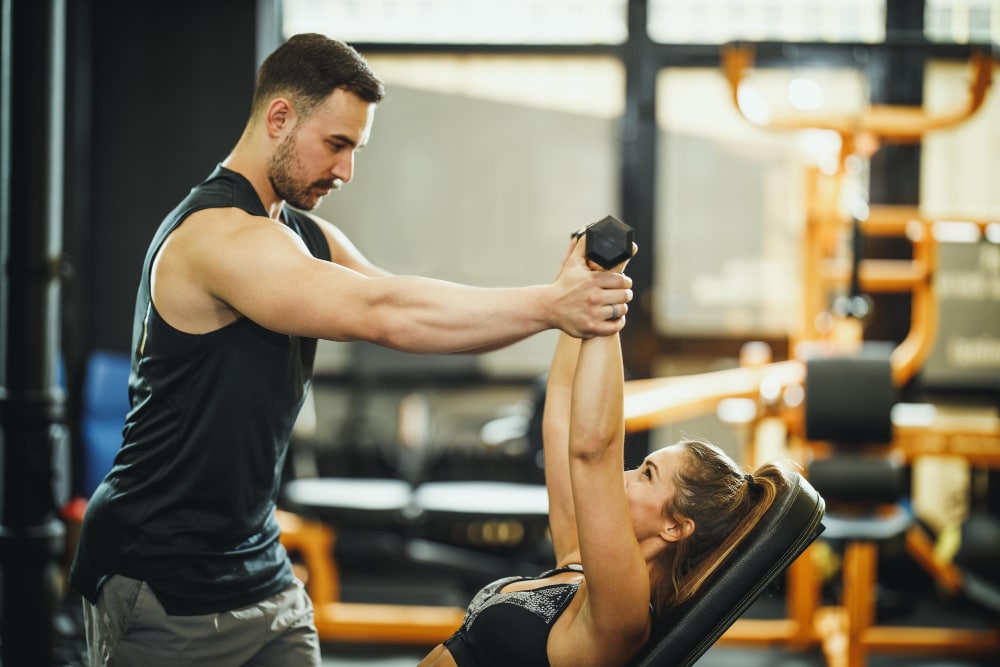
Consistency alone does not guarantee results. A professional creates a plan tailored to your starting point, corrects your technique and addresses the factors holding back your progress: poor exercise selection, lack of progression or inadequate rest. They also introduce clear metrics (strength, measurements, body composition and mobility) to help adjust the plan from week to week.
- Safety: injury risk is minimised by adjusting the load, volume and intensity.
- Truly personalised training: sessions designed around your level, history and goals.
- Motivation and habit-building: regular appointments and check-ins help you stay on track.
- Efficiency: every minute counts; less trial and error, and more measurable progress.
Hortaleza: a great neighbourhood for working out
Hortaleza combines green spaces for outdoor exercise with a good selection of specialist centres and convenient public transport connections. This makes it easier to fit exercise into your routine without travelling far: walk to the centre, do a strength session and finish with some mobility exercises in the park on your way home. It is practical and sustainable, and you can also make new friends.
How to choose your personal trainer
- Define your goal: fat loss, muscle gain, performance, back health or recovery.
- Check the training method: look for an initial assessment, periodisation and progress tracking.
- Experience and certifications: look for training and hands-on experience with clients whose needs are similar to yours.
- Convenient hours and location: if it’s easy to get there, you’re more likely to stick with it.
- Try a session: an introductory session gives you a feel for the trainer’s approach, attention to technique, and clarity of instruction.
A good professional will explain why you’re doing each exercise, what you should feel, and what adjustments to make if you experience discomfort. Learning how to move is part of the value: you gain knowledge that will last a lifetime.
What to Expect from the Process
It usually starts with an interview and a physical assessment (mobility, basic strength, and body composition). Based on this, a 8–12-week plan is designed and adjusted according to how you respond. In practice, you’ll work through strength-training blocks, complementary exercises for posture and core strength, and cardio tailored to your fitness level. The key is to make steady progress without rushing: small improvements add up from one session to the next.
If your goal is to lose fat, your trainer will help you create a sustainable calorie deficit and track your results using more detailed measures than body weight alone: body measurements, comparison photos, energy levels, and gym performance.
If you want to build muscle, they’ll focus on progressive overload, technique, and recovery (sleep and nutrition).
Benefits of Training Close to Home
- Consistency: fewer excuses when the gym is just 10–15 minutes away.
- Flexibility: you can combine sessions at the gym, outdoors, or even online if you can’t make it in one day.
- Community: training in your neighbourhood helps you build a routine and social support.
Quick Tips to Get the Best Results
- Arrive on time and keep a record of how you feel: sleep, stress, hunger, and any discomfort.
- Prioritise technique over weight; progress will come without compromising your posture.
- Take your rest breaks and leave your phone outside the gym: stay fully focused for 50–60 minutes.
- Support your training with healthy habits: 7–8 hours of sleep and a diet suited to your goal.
Conclusion: Get Started Today
Working with a personal trainer is an investment in your health, backed by a clear strategy and ongoing support. The first step is simple: book an assessment, make sure it’s a good fit, and get started with a plan that’s realistic yet ambitious.
Frequently Asked Questions
How many sessions a week do I need?
Most people have 2–3 guided sessions, combined with some simple independent training.
How long will it take to see changes?
You’ll typically notice improvements in strength and posture after 4–6 weeks, and visible changes after 8–12 weeks.
Can I train if I have aches or previous injuries?
Yes, with a thorough assessment and gradual progression, adapting exercises and loads as needed.