
The belly button, a part of the body often overlooked in our hygiene routines, may be more important than we think. Curiosity about the effects of placing a cotton ball in your belly button and seeing what happens next has led many people to explore this practice. In this article, we’ll take a closer look at its significance and what this action actually involves.
From its functions in the human body to the possible effects of putting cotton in your belly button, let’s explore everything you need to know!
Can putting a cotton ball in your belly button relieve any ailments?
Many people wonder whether placing a cotton ball in the belly button can have any positive effect on health. Although there is no scientific evidence to support this practice, some people believe it may help relieve discomfort in the area. This could be for several reasons, including the placebo effect.
Cotton can act as an absorbent, suggesting it might help with discharge. However, it is essential to be careful, as improper use can lead to infections. Belly button health should always be our priority.
It is best to consult a doctor if you experience persistent pain or any other discomfort in the belly button area rather than trying home remedies. The practice of placing a cotton ball in your belly button should be approached with caution.
What your belly button can reveal about your health
Although it looks like a simple scar, the belly button can offer clues about our overall health. Changes in its appearance or unusual discharge may indicate underlying medical problems. For example, an umbilical hernia is a cause for concern and can cause belly button pain.
Some conditions that can be reflected in the navel include:
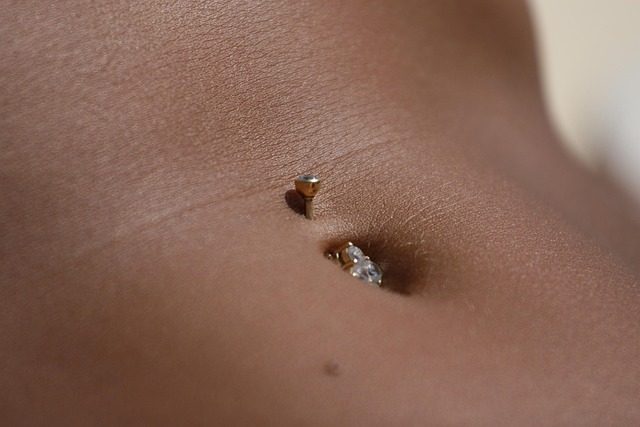
- Infections: Pus or a bad smell may be a sign.
- Hernias: A lump or bulge may indicate an umbilical hernia.
- Irritated skin: This may result from poor hygiene or irritation caused by tight clothing.
Therefore, knowing the health of your navel can be crucial for detecting problems in their early stages. Don't ignore the signs.
Six Things You Didn't Know About Your Navel
There are many surprising facts about the navel. Here are a few:
- It's a scar: It's where the umbilical cord was attached.
- It can harbor bacteria: The navel can be home to various bacteria, highlighting the importance of navel hygiene.
- Navels aren't all the same: Their shape and depth vary from person to person.
- It can be sensitive: Some people experience sensitivity in the area.
- Signs of health problems: Changes in the navel can indicate digestive issues or infections.
- It's a point of reference: In some cultures, the navel is seen as an energy center.
These facts show that the navel is more than just a simple mark, and caring for it should be part of our health routine.
Where Does Belly Button Lint Come From?
The lint we often find in the navel is a mixture of clothing fibers, dead skin cells, and other small particles. This is more common in people with abdominal hair, as it can trap lint.
To reduce lint buildup, it's a good idea to maintain good navel hygiene. Cleaning the area regularly will help prevent dirt and debris from accumulating, which can be uncomfortable.
It's also advisable to wear fabrics that produce less lint and trim the hair if necessary. Regular care can prevent health problems related to dirt buildup.
Umbilical Hernia: One of the Main Causes of Belly Button Pain
An umbilical hernia occurs when part of the intestine protrudes through a weak spot in the abdominal wall near the navel. This can cause discomfort and pain, especially during physical exertion.

Symptoms of an umbilical hernia include:
- A visible lump near the navel.
- Pain or discomfort in the area, especially when coughing or lifting heavy objects.
- Redness or swelling around the lump.
If you experience these symptoms, it's vital to seek medical attention. Not all hernias require surgery, but an accurate diagnosis is essential to prevent complications.
Umbilicoplasty: Cosmetic Navel Surgery
Umbilicoplasty is a surgical procedure intended to improve the appearance of the navel. It's popular among people who want to change the shape or size of this area, especially after pregnancy or significant weight loss.
This procedure can help correct imperfections, such as a protruding or poorly defined navel. However, as with any surgery, there are risks, including infection and adverse reactions to anesthesia.
If you're considering umbilicoplasty, it's essential to consult a qualified plastic surgeon who can provide information and advice about the procedure and what to expect.
What Is the Navel for in Adults?
Although it looks like a simple scar, the navel has a limited function in adults. During fetal development, it is essential for supplying nutrients and oxygen. After birth, however, its function diminishes.
In adults, the navel's main function is as an anatomical reference point. It is used in medical procedures and physical examinations, but it has no significant functional purpose.
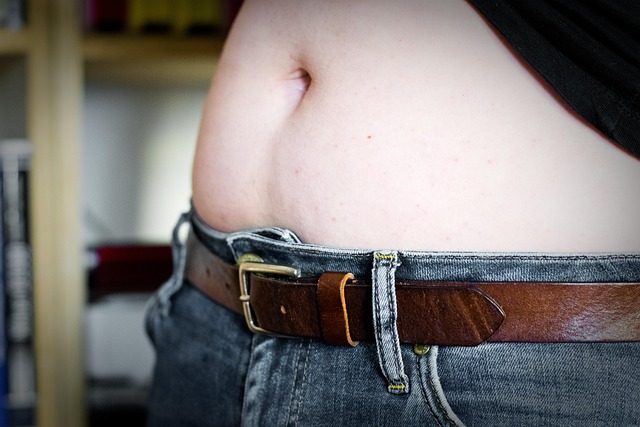
However, it's still important to care for it, as bacteria can build up there if it isn't kept clean and dry.
Why Does My Belly Button Hurt When I Stretch?
Belly button pain when stretching can be a symptom of various conditions. It can range from a simple muscle strain to more serious problems such as an umbilical hernia. If you feel pain when stretching, it's important to watch for other symptoms that may accompany it.
Some common causes include:
- Muscle strain: This may result from sudden movements or excessive exercise.
- Umbilical hernia: As mentioned earlier, it can cause pain when moving.
- Digestive problems: Referred pain from issues such as gas or abdominal bloating.
If the pain persists or becomes severe, consult a medical professional. An early diagnosis can help prevent serious complications.
Related Questions About Navel Care
What Happens If I Put Cotton in My Belly Button?
Putting cotton in your belly button can have different effects. In some cases, it could absorb small amounts of discharge. However, it can also create an environment conducive to bacterial growth if it isn't removed properly.
The most important thing to remember is that any unusual or persistent symptoms in the navel area should be assessed by a doctor. Not all home remedies are safe, and they can lead to complications.
Why Does Cotton Come Out of the Belly Button?
Cotton can come out of the navel because of lint and other debris trapped in the area. This is more common in people who wear lint-producing clothing or have abdominal hair, as these factors can contribute to buildup.
To prevent this, it's advisable to maintain good navel hygiene and clean the area regularly. This not only improves its appearance but also reduces the risk of infection.
What Is Connected to the Navel?
The navel is the remnant of the umbilical cord, which connects the fetus to the mother during pregnancy. After birth, this connection is cut, leaving the navel as a simple scar.
Although it has no direct physiological function in adulthood, the navel can serve as a reference point in medical procedures. For example, it is often used in ultrasounds and other abdominal examinations.
What should you put in your navel for protection?
If you need to protect your navel, it is advisable to use a soft dressing or gauze if there are any injuries or irritation. However, it is always best to consult a doctor before applying any treatment.
In general, keeping the area clean and dry is the best way to “protect” your navel. Avoid using irritating products, and make sure you clean it regularly.