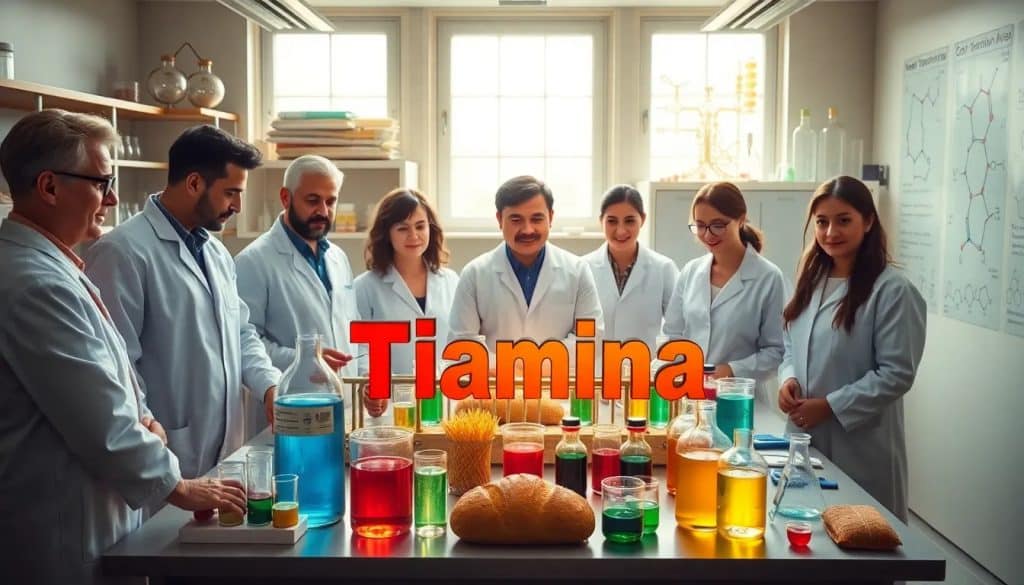
The history of thiamine, also known as vitamin B1, is a fascinating journey through science and health. Its discovery in the late 19th century marked a milestone in our understanding of vitamins and their impact on human well-being. From its isolation to its vital role in the diet, every aspect of thiamine reveals a deep connection to our health.
This article will explore the discovery of thiamine or vitamin B1, its importance, and the effects of its deficiency, as well as other relevant aspects of its history and use.
Who discovered thiamine or vitamin B1?
The discovery of thiamine is primarily attributed to Umetaro Suzuki, a Japanese researcher who first isolated this vitamin from rice bran in 1897. His work was crucial because it showed that eating unpolished rice, which is rich in thiamine, could prevent beriberi, a disease that affected many people who ate refined rice.
Christiaan Eijkman also played a key role in this research. Eijkman, a Dutch physician, studied conditions in Java and observed that people who ate refined rice developed symptoms of beriberi, leading him to discover the link between the disease and thiamine deficiency.
Another important researcher, Casimir Funk, contributed to our understanding of thiamine by introducing the term “vitamin” and emphasizing its essential role in human health. Funk’s work, along with that of others such as Gerrit Grijns, helped lay the foundations for the study of vitamins and their function in the body.
What are the symptoms of thiamine deficiency?
Thiamine deficiency can cause a range of symptoms that vary in severity and may affect different systems in the body. Some of the most common symptoms include:
- Fatigue and muscle weakness: Thiamine deficiency can cause significant tiredness and muscle weakness.
- Neurological problems: These can include confusion, memory loss, and changes in mental state.
- Heart problems: Severe deficiency can lead to complications such as heart failure and other cardiovascular problems.
- Gastrointestinal problems: Symptoms may include nausea, vomiting, and loss of appetite.
Over time, if left untreated, thiamine deficiency can lead to serious illnesses, underscoring the importance of getting enough of this vitamin from the diet.
What Is Beriberi, and How Is It Related to Thiamine?
Beriberi is a disease caused by a severe thiamine deficiency. Its symptoms vary depending on the type of beriberi:
There are two main forms:
1. Wet beriberi: It mainly affects the cardiovascular system, causing fluid retention and heart problems.
2. Dry beriberi: It affects the nervous system, causing muscle weakness and neurological symptoms.
The link between beriberi and thiamine was established through historical research showing that consumption of refined rice, which lacks vitamin B1, was directly related to the onset of the disease. When people began eating unpolished rice, the incidence of beriberi decreased.
Understanding this link has been crucial to preventing and treating beriberi, leading to educational campaigns about the importance of a balanced, nutrient-rich diet.
Why Is Thiamine Important in the Diet?
Thiamine is essential for various metabolic functions in the human body. Its importance in the diet stems from several factors:
- Energy production: Thiamine plays a key role in carbohydrate metabolism, helping the body convert food into energy.
- Brain function: It is essential for the proper functioning of the nervous system, as it affects memory and concentration.
- Cardiovascular health: It helps maintain a healthy heart, preventing problems related to blood circulation.
- Improved appetite: Thiamine also helps regulate appetite and digestion.
A diet that includes sufficient amounts of thiamine is essential for preventing deficiencies and maintaining overall health.
How Is Thiamine Synthesized?
Thiamine is synthesized in the human body from foods that contain this nutrient. However, the body cannot produce thiamine on its own, so it is essential to obtain it through the diet.
Thiamine is absorbed in the small intestine and transported to body tissues, where it is converted into its active form, thiamine diphosphate. This compound is vital for cellular metabolism and energy production.
Thiamine synthesis is also influenced by factors such as health status and diet quality. An insufficient intake of foods rich in thiamine can lead to deficiencies, while a balanced diet helps maintain adequate levels.
Which Foods Are Rich in Vitamin B1?
Including foods rich in thiamine in your diet is essential for preventing deficiencies. Some of the best sources include:
- Brown rice: Especially in its unrefined form, it is an excellent source of thiamine.
- Legumes: Beans, lentils, and peas are rich in vitamin B1.
- Nuts and seeds: These provide a good amount of thiamine, along with healthy fats.
- Whole grains: Whole-grain breads and pasta are an accessible source of this vitamin.
- Pork: One of the richest animal sources of thiamine.
Including these foods in your daily diet can help ensure an adequate intake of vitamin B1 and contribute to good overall health.
Where Has Thiamine Been Studied Throughout History?
Throughout history, research on thiamine has taken place in various parts of the world. Initially, Umetaro Suzuki’s work in Japan was fundamental to isolating the vitamin. Later, Christiaan Eijkman’s research in Indonesia led to key discoveries about beriberi.
Studies conducted in Europe and the Americas have also been significant. Researchers such as Casimir Funk and Gerrit Grijns expanded our understanding of thiamine’s chemical structure and its role in metabolism.
Today, thiamine continues to be studied as scientists explore its effects on health and its links to various diseases. The importance of this nutrient to public health has prompted efforts to include it in nutrition and health programmes.
Frequently Asked Questions About the Discovery of Thiamine, or Vitamin B1
When was vitamin B1 first discovered?
Vitamin B1 was discovered in the late 19th century, specifically in 1897, when Umetaro Suzuki isolated the vitamin from rice bran. This discovery was crucial to understanding its role in preventing beriberi, a disease that affected many people who ate refined rice.
What disease is caused by a lack of vitamin B1, or thiamine?
A lack of vitamin B1 causes beriberi, which can occur in wet and dry forms. The wet form affects the cardiovascular system, while the dry form affects the nervous system. Thiamine deficiency can lead to serious health complications if not properly addressed.
Does thiamine really work?
Yes. Thiamine is essential for several metabolic functions, and a deficiency can have serious consequences. Its role in energy production and nervous system function is fundamental to overall well-being.
What is the 1958 theory of vitamin B1?
The 1958 theory of vitamin B1 refers to a broader understanding of the roles thiamine plays in metabolism and health. This theory helped establish thiamine’s importance as an essential nutrient and led to new recommendations for daily intake to prevent deficiencies.