Leaving a charger plugged in without a device connected is common, but it can have consequences many people overlook. Although modern chargers are generally safe, there are things we should all consider.
In this article, we'll explore the hidden danger of leaving a charger plugged in: what everyone should know, from the risk of fire to the environmental impact of unnecessary electricity use.
Is it dangerous to leave a charger plugged in without a phone connected?
Many people wonder whether it's safe to leave a charger plugged in when it's not in use. The answer isn't so simple. Although certified chargers are designed to minimise risks, counterfeit chargers can pose a real danger.
What's more, even genuine chargers can heat up when left plugged in without a device connected, which could increase the risk of fire in unfavourable circumstances—for example, if they're placed on a flammable surface.
Therefore, it's always a good idea to unplug the charger when it's not in use. This not only helps prevent hazards but also supports more responsible energy use.
What are the risks of leaving a charger plugged in without a device connected?
The first risk to consider is standby power consumption. This refers to the electricity a device uses even when it's not in use. Although the individual cost may seem minimal, the cumulative impact worldwide is considerable.
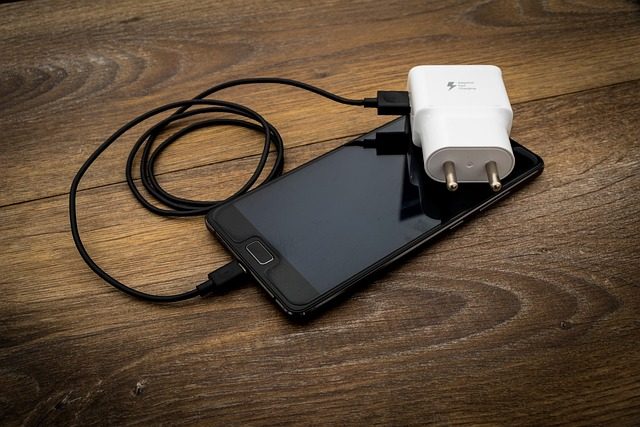
- Fire risk, especially with counterfeit chargers.
- Unnecessary electricity consumption.
- Possible damage to the batteries of connected devices.
These factors highlight the importance of unplugging chargers. By doing so, we not only reduce the risk of fire but also prevent unnecessary wear and tear on our chargers and devices.
What happens if I leave the charger plugged in all the time?
Leaving a charger plugged in constantly can have several consequences. First, there is the aforementioned standby power consumption, which may seem insignificant but can lead to a noticeable increase in your electricity bill over time.
Chargers can also overheat when they are left plugged in constantly, increasing the risk of malfunction or even fire. In most cases, this risk is made worse by using uncertified chargers.
Finally, the charger's lifespan may be affected if it is left plugged in constantly. This is due to wear on its internal components, which can deteriorate more quickly.
How much electricity does a charger use when plugged in without a phone?
A charger plugged in without a device connected usually uses little electricity, but the amount is not negligible. On average, a charger may use between 0.1 and 0.5 watts when idle. Although every charger is different, this adds up to a few cents per month.
However, when we multiply this consumption by the number of households and devices worldwide, the impact becomes significant. Estimates suggest that standby power consumption could account for up to 10% of a household's electricity bill, which can add up to a considerable expense over time.
It is therefore advisable to take steps to minimise this consumption, such as unplugging chargers that are not in use. This simple action can contribute to significant energy savings.
Is it worth unplugging your phone charger?
It's definitely worth unplugging your charger. This not only prevents standby power consumption, but also reduces the risk of fire and extends the charger's lifespan. In a world that is increasingly focused on sustainability, this is a small but meaningful contribution.
Unplugging chargers also encourages energy sustainability, helping to reduce electricity demand and, in turn, the environmental impact of electricity consumption.
Finally, unplugging devices that are not in use is a simple and effective way to make a difference. At a time when environmental awareness is more important than ever, every small action counts.
Why you shouldn't leave your charger plugged in
There are several reasons to avoid leaving your charger plugged in. First, the risk of fire is significant, especially with uncertified chargers. Second, standby power consumption leads to unnecessary costs over time.
- Fire risk due to overheating.
- Premature wear on chargers and batteries.
- Contribution to an increase in your carbon footprint.
For these reasons, it is essential to be aware of the risks associated with using chargers continuously. Making a habit of unplugging them is an effective way to mitigate these dangers.
Why unplugging devices matters for sustainability
In a world that is increasingly aware of the need to protect the environment, promoting energy sustainability is vital. Unplugging devices that are not in use not only reduces energy consumption, but also contributes to a more sustainable future.
It also generates savings that can be reinvested in more sustainable initiatives. Every action counts, and by unplugging chargers, everyone can make a tangible difference.
Promoting a more sustainable lifestyle involves changing our everyday habits. Small actions such as unplugging devices that are not in use can have a positive impact on the environment.
Frequently asked questions about the dangers of leaving a charger plugged in
Is leaving chargers plugged in a fire hazard?
Yes, leaving chargers plugged in can pose a fire hazard. This is especially true of counterfeit or low-quality chargers, which may overheat. It is therefore essential to use certified chargers and unplug them when they are not in use.
What happens if I don't unplug the charger?
If you don't unplug the charger, you will contribute to standby power consumption, resulting in unnecessary electricity costs. There is also a risk that the charger could overheat, potentially causing damage or a fire.
What happens if I leave my phone charger plugged in all night?
Leaving your phone charger plugged in all night is not recommended. Although modern devices are designed to prevent overcharging, the charger still uses energy and may generate heat, increasing the risk of fire. It's best to unplug it when it's not in use.
How much does it cost to leave a charger plugged in?
The cost of leaving a charger plugged in varies, but on average it may be a few cents per month, depending on the charger's specific power consumption. However, the combined consumption across millions of households can have a considerable economic impact worldwide.
Unplugging your charger is therefore not only a safety measure, but also an effective way to reduce unnecessary costs on your electricity bill.