The year 536 has become a fascinating subject of study for historians and scientists. It is considered one of the worst years in human history because of a series of catastrophic events that severely affected people's lives. A combination of climatic factors, volcanic eruptions, and diseases marked a dark period in history.
According to Harvard historian Michael McCormick, the year 536 was marked by a mysterious fog that obscured the sun for 18 months, causing temperatures to drop drastically. In this article, we’ll explore why 536 is said to have been the worst year in history, examining the climate events and their consequences.
Why was 536 considered the worst year in history?
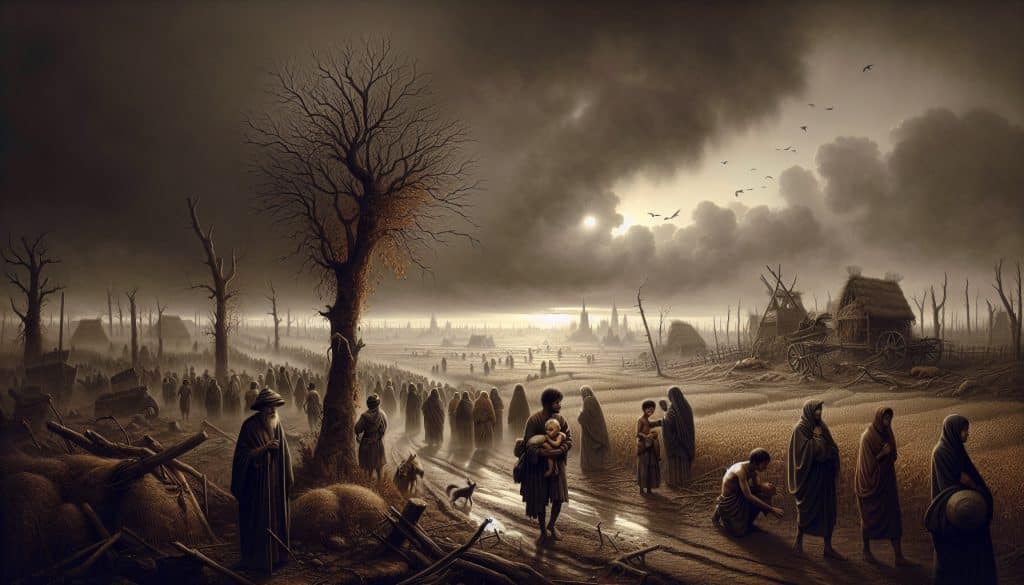
The year 536 is remembered for its extreme cold and the fog that covered much of the Northern Hemisphere. This climate phenomenon was followed by a series of famines and diseases. Historically, it has been called the “worst year” because of its devastating consequences.
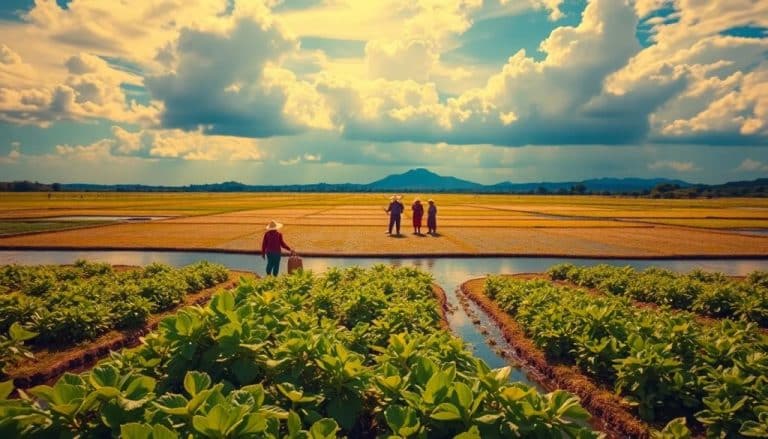
One key factor documented was crop failure. Cold temperatures affected agricultural production, leading to supply problems in several regions and creating a cycle of scarcity and hunger. Food insecurity is believed to have been a decisive factor in people's lives at the time.
In addition, the global cooling of 536 is an event that has resonated throughout history. The year was marked by falling temperatures across Europe, Asia, and other parts of the world, forcing people to live in a harsher climate.
What climate events affected the year 536?
The climate events of 536 were particularly significant. Volcanic eruptions in the Northern Hemisphere, including one from a volcano in Iceland, are thought to have released huge amounts of ash and gases into the atmosphere. This resulted in a phenomenon known as “volcanic winter,” which altered the global climate.
The fog and cooling that occurred in 536 affected not only Europe but also other parts of the world. Historical records indicate that temperatures fell sharply, resulting in prolonged winters and very short summers.
- Crops were severely affected.
- Famines began to spread.
- Changes in the migration patterns of animals and people were documented.
This event is a clear example of how climate change can affect human life. Evidence gathered through dendroclimatology, the study of tree growth, shows patterns that match historical accounts of this dark period.
How did the volcanic eruption influence climate change in 536?
The volcanic eruption believed to be responsible for global cooling in 536 had a profound impact on the climate. These eruptions release sulfur particles that spread through the atmosphere, forming a layer that can block sunlight. This phenomenon was key to the significant drop in temperatures.
Ice core records have shown that sulfur dioxide concentrations in the air rose after the eruption. This caused sunlight to be “blocked,” disrupting weather patterns in many regions and leading to droughts in some places and floods in others.
As temperatures continued to fall, agriculture became unsustainable, leading to a food crisis. This period became a clear example of the impact volcanic eruptions can have throughout history and how natural events can affect human life and the development of societies.
What were the consequences of the famine in 536?
The famine that followed in 536 had devastating consequences for the population. The lack of food not only caused the population to decline but also affected people’s health and social stability. As their food sources dwindled, people began resorting to extreme measures to survive.
Famine has recurred throughout human history, and 536 is one of its most tragic examples. Many people are thought to have died of starvation, altering the social structure of the time.
- More conflicts over limited resources.
- Reduced trade due to instability.
- Increased migration to regions with better conditions.
These consequences transformed the way communities organized themselves and interacted. Scarce resources led to fierce competition, which in turn resulted in increased violence and distrust among peoples.
What is the connection between the bubonic plague and 536?
The connection between the bubonic plague and 536 is of considerable interest to historians. The bubonic plague did not reach Europe until 541, but the social and climatic conditions that emerged after 536 left populations more vulnerable.
Widespread famine and suffering contributed to a weakened immune system among the population. This allowed the disease to spread more effectively when the plague arrived, wreaking havoc on people at the time.
As the plague spread, an estimated one-third of the Byzantine Empire’s population perished. The combination of the food crisis and bubonic plague ushered in a period of desperation and suffering whose effects lasted for generations.
How did historians study the year 536?
Historians have studied the year 536 through several disciplines, including history, climatology and archaeology. Michael McCormick and other researchers have used modern techniques such as dendroclimatology to better understand the climate conditions of that period.
The use of historical records and ice core analyses has given researchers a clearer picture of what happened. These methods have revealed information about temperatures, precipitation and other factors that contributed to the events of 536.
Documents from the period, such as accounts by chroniclers and chronicles from contemporary peoples, have also been essential. These texts not only provide historical context but also offer insight into how communities responded to the crisis.
Related Questions About the Worst Year in History
Why was the year 536 the worst in history?
The year 536 is considered the worst because extreme climate events led to widespread famine and intolerable living conditions. Volcanic eruptions, fog that obscured the sun and the famines that followed created a perfect storm of human suffering.
What was the worst day in human history?
Determining the worst day in history is difficult, as it depends on your perspective. However, many might argue that days during the bubonic plague or periods of severe famine could be considered the worst. The year 536, and its events in particular, is a strong contender because of its devastating long-term effects.
What was the worst year in history, and why?
The year 536 is often considered the worst year in history because of the climate factors and social consequences at the time. The combination of volcanic eruptions, famine and the arrival of the bubonic plague left an indelible mark on history.
Why was the year 536 AD the worst year in history according to the timeline of disasters?
The timeline of disasters cites the year 536 as one of the worst due to extreme weather conditions, which led to a food crisis and, later, the bubonic plague. These events not only affected people's lives but also transformed the development of entire civilizations.