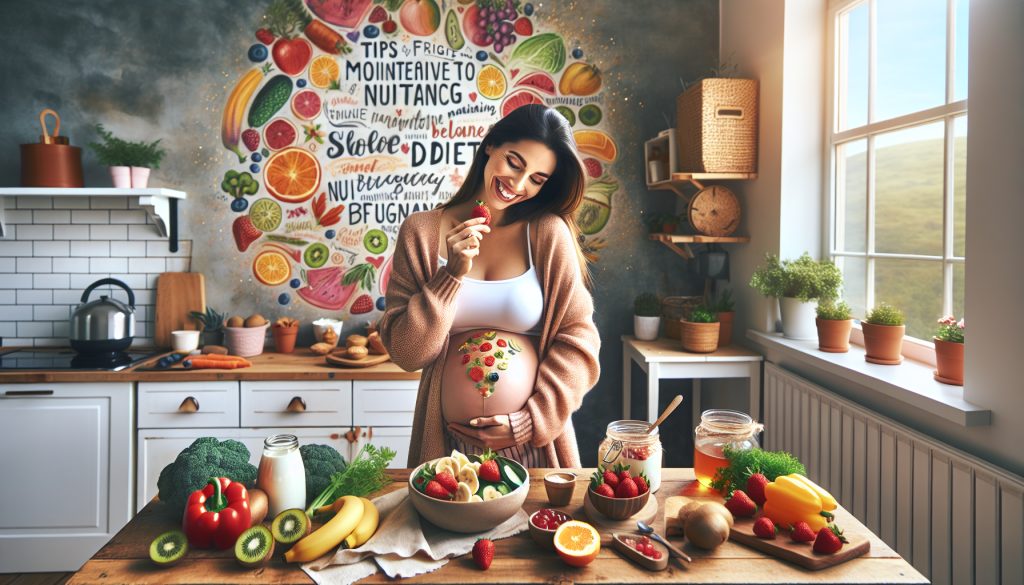
During pregnancy, diet plays a crucial role not only in the mother's well-being but also in the baby's development. Adopting healthy habits and maintaining a balanced diet can help prevent complications and support healthy growth. Here are some tips for maintaining a balanced diet during pregnancy.
Tips for maintaining a balanced diet during pregnancy
A balanced diet during pregnancy should include a variety of foods that provide the nutrients you need. It is essential to prioritise fresh foods and limit processed foods. Meals should also be prepared safely to avoid cross-contamination.
It is a good idea to eat several smaller meals throughout the day. This not only aids digestion but also provides a steady supply of energy. Including healthy snacks between main meals is a good practice.
It can also be very helpful to consult a health professional for guidance on nutrition tips for pregnant women. This helps ensure that nutritional needs specific to each stage of pregnancy are met.
How can you maintain a healthy diet during pregnancy?
Maintaining a healthy diet during pregnancy involves following certain guidelines to support both mother and baby. Choosing fresh fruit and vegetables is essential because they are rich in vitamins and minerals. These foods are also excellent sources of fibre, which helps prevent common digestive problems during pregnancy.
It is also important to ensure an adequate intake of protein. Foods such as lean meat, eggs, legumes and dairy products are essential. Including these foods in your daily diet provides not only protein but also iron and calcium, which are vital nutrients for fetal development.
- Include a variety of fruits and vegetables with every meal.
- Choose lean meats and eggs as sources of protein.
- Eat dairy products, which are rich in calcium.
- Stay hydrated by drinking enough water.
What is the right diet for a pregnant woman?
A pregnant woman's diet should be varied and balanced. This means including foods from all food groups to ensure you get all the nutrients you need. Pregnant women should focus on eating more fruits and vegetables, as well as whole grains and protein.
It is important to include omega-3 fatty acids, which support the baby's neurological development. They can be found in oily fish such as salmon and in plant-based sources such as walnuts and chia seeds.
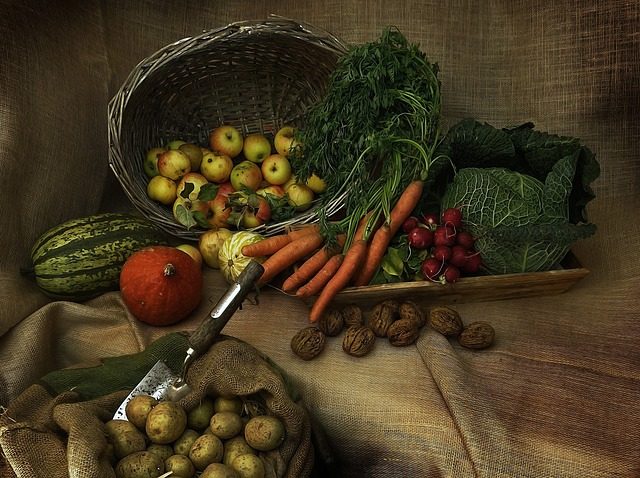
Vitamin supplements, such as folic acid and iron, may be recommended by health professionals. These supplements help address any dietary deficiencies and are essential for the baby's development.
What is the healthiest diet for a pregnant woman?
The healthiest choice for a pregnant woman is to follow a balanced diet that includes a wide range of nutritious foods. This not only helps the mother stay healthy, but also supports the baby's growth and development. Avoiding alcohol and excessive caffeine is essential during this time.
Highly sugary foods and those high in saturated fat should also be avoided. Choosing healthier options, such as fresh fruit or nuts, can help satisfy cravings without compromising health.
- Choose whole foods instead of processed foods.
- Limit added sugar.
- Include fiber-rich foods to aid digestion.
What care should a pregnant woman take during pregnancy?
During pregnancy, a woman should take several precautions to ensure her own well-being and that of her baby. In addition to maintaining a balanced diet during pregnancy, it is essential to pay attention to food hygiene. This includes washing fruit and vegetables thoroughly and cooking meat properly.
Staying active with moderate exercise also contributes to overall health. Daily walks or low-impact activities can be beneficial. It is also essential to attend prenatal appointments to monitor the baby's development and the mother's health.
Managing stress is another important aspect. Practicing relaxation techniques such as meditation or yoga can help maintain emotional balance during this time.
Foods to avoid during pregnancy
It is crucial to avoid certain foods during pregnancy to prevent health risks to the mother and baby. These include undercooked or raw foods, such as meat, fish, and eggs. It is also important to avoid unpasteurized cheeses and fish with high levels of mercury.
Foods to avoid include:
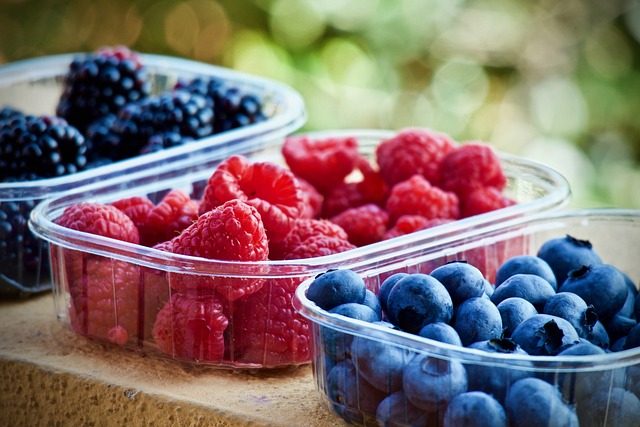
- Raw or undercooked meat and fish.
- Unpasteurized cheeses.
- Foods high in sugar and fat.
- Excessive caffeine and alcohol.
Choosing safe foods during pregnancy is essential. It is always a good idea to check labels and prepare food properly to ensure it is safe to eat.
Essential nutrients during pregnancy
During pregnancy, several essential nutrients should be prioritized. These include folic acid, iron, calcium, and omega-3. Each plays a vital role in the baby's development and the mother's health.
Folic acid is crucial for preventing neural tube defects. Women are advised to start taking it before becoming pregnant and continue through the first trimester. Iron is needed to support the increase in blood volume during pregnancy, while calcium is essential for the development of the baby's bones.
- Folic acid: helps prevent birth defects.
- Iron: helps prevent anemia.
- Calcium: important for bones and teeth.
- Omega-3: beneficial for brain development.
The importance of staying hydrated during pregnancy
Hydration is often overlooked during pregnancy. Staying well hydrated helps prevent constipation and dehydration, which can be common at this stage. Pregnant women are advised to drink at least 2 liters of water a day.
In addition to water, other drinks such as fresh juice can be included, but be mindful of added sugar. Herbal teas are another option, as long as they are safe during pregnancy.
Drinking enough water also helps regulate body temperature and keep the skin healthy. Proper hydration is essential for the overall well-being of both mother and baby.
Related questions about eating during pregnancy
How can you eat well during pregnancy?
To eat well during pregnancy, prioritize a nutrient-rich diet. It is advisable to include a variety of fresh foods and avoid processed ones. Eating regularly and not skipping meals also helps maintain energy levels and ensure adequate nutrient intake.
Including fiber-rich foods and making sure you drink enough fluids are also healthy habits. Listening to your body and responding to hunger and fullness cues is essential for a balanced diet.
What is a healthy diet for a pregnant woman?
A healthy diet for a pregnant woman should be balanced and varied. This means including all food groups, from protein to carbohydrates and healthy fats. The key is to eat fresh, seasonal foods and avoid ultra-processed products.
Focusing on food quality—such as choosing whole grains, a variety of fruits and vegetables, and lean protein—is essential for optimal health during pregnancy.
What is the healthiest diet for a pregnant woman?
The healthiest choice for a pregnant woman is to maintain a balanced diet, avoiding alcohol and excessive caffeine. It is also essential to include foods rich in fiber and antioxidants, which help combat fatigue and improve digestive health.
Adding vitamin supplements recommended by a doctor may be beneficial. It is always best to consult a maternal health professional for personalized recommendations.
What care should a pregnant woman take during pregnancy?
Care should include paying special attention to diet, getting moderate exercise, and keeping medical appointments. Monitoring weight and maintaining proper hygiene when preparing food are also important.
In addition, seeking emotional support and practicing relaxation techniques may help manage stress during pregnancy.