Ever heard of assertive communication?
 We communicate every day. Communication is the foundation for understanding the people around us. Many conflicts in our personal and professional relationships stem from inadequate or unproductive communication.
We tend to think communication is simple and straightforward—that all we need to do to live and coexist with other people is learn the same language.
But communication should be more than simply exchanging information. It should also be assertive. Communicating means expressing ourselves through speaking, writing, and so on. Assertiveness, however, involves considering how and why other factors matter so that our message is clearer and more concise for the person receiving it.
Let's learn about assertive communication
 This doesn't mean communication has to be complicated. What I mean is that it's important to pay attention to it, work on how we express ourselves, and consider factors such as body language, tone of voice, word choice, empathy, and clarity.
Communication isn't about saying the first thing that comes to mind without considering the other person's feelings.
Tips for assertive communication
Here are some tips to keep in mind in different situations and circumstances.
I think, I feel, I believe, I perceive
 When we're talking, especially if the conversation involves a complaint or anger, we often blame the other person for our feelings, thoughts, and perceptions. For example:
You make me feel bad when you don't answer the phone. You make me sad and angry. It drives me crazy when you don't pay attention to me. I've told you to let me know when you get home, but you don't give a damn.
.
In the first few statements, we're holding the other person responsible for our feelings—for feeling bad or getting angry. Then we say they "don't pay attention to us," presenting that as fact. Finally, we say they don't give a damn, claiming to know exactly how they feel. This is a serious and common communication mistake.
Instead, we should always speak from an "I" perspective: "I feel sad," "I feel upset," or "Your behavior makes me think you don't care about me." The other person isn't responsible for how we choose to feel or perceive things. That's why we need to make it clear to them that we're not blaming them, but expressing how the situation makes us feel.
Example using the same paragraph:
I feel bad when you don't answer the phone. I feel sad and upset. It frustrates me to feel or think that you're not paying attention to me. I've already told you that I feel this way when you don't let me know you've arrived home. Honestly, I think and feel that you don't care about what I say or how I feel when this happens.
[irp posts=»133″ name=»5 tips to boost your self-esteem if it’s low»]
Tone and way of speaking
 Another very important aspect of assertive communication is our tone of voice: whether we shout, speak very slowly or very quickly, and so on.
It's important to keep our tone of voice at an appropriate level and speak calmly and clearly. Sometimes we don't realise that we've raised our voice, and the other person lets us know.
» Don't shout at me.
Remember, the person isn't always saying this to upset you; they may know that if you raise your voice, you won't be able to communicate in a healthy way. It makes it harder to listen, speeds you up mentally and physically, and comes across as imposing authority and dominance. We all want to talk to someone as an equal, not someone who thinks they're superior or wants to intimidate us.
Before you start expressing yourself, take a few deep breaths to calm yourself, then speak slowly and steadily. If someone lets you know that you've raised your voice, lower it so you can continue the conversation.
Body language
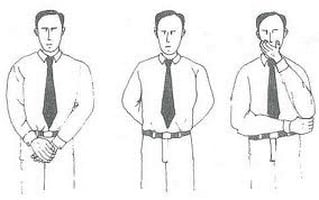 It's said that most of our communication is expressed through body language. A simple example is when someone says yes to something but shakes their head to indicate no.
It's hard to feel inspired to talk to someone who is looking down, has their arms and legs crossed, or is facing the door. Of course, this kind of body language can happen automatically when a conversation bothers us or doesn't interest us.
The point of becoming aware of our body language is to change it. Why? This doesn't mean you have to stop feeling upset if that's how you feel, or stop feeling sad. Simply changing your body language can also make you more willing to listen and try to understand what the other person has to say.
I remember a teacher once telling us that many people wait for an internal change before changing what they do on the outside, when in fact it should be the other way around: change from the outside in. For example, changing our posture can make us more receptive without our realising it. Looking up can boost our confidence and make us feel better.
The best posture is to sit comfortably without slouching or lying back, with your arms and legs uncrossed and your palms visible (a sign of honesty). Maintain moderate eye contact; too much can cause fear or make someone feel intimidated rather than at ease. It's also important to face the other person rather than pointing your body towards the door or exit, as this suggests that you're bored and want to leave.
I consider these 3 tips to be the most important ones for starting to practise assertive, healthy, empathetic, and productive communication.
How do you get started? First, become aware of how you communicate. As soon as you notice that you have shouted, shut down the conversation, been overly aggressive, or blamed someone, take a deep breath. Then write down the phrases you used and how you could have said them better.
[irp posts=»186″ name=»5 ways to contribute to the world and leave your mark»]
I hope you find these tips helpful. See you!