Wasps are fascinating insects that are often misunderstood and feared. Despite their reputation, they play a vital role in the ecosystem and deserve recognition. In this article, we’ll explore the importance of wasps and their relationship with bees, as well as their impact on agriculture and biodiversity.
What’s the difference between a wasp and a bee?
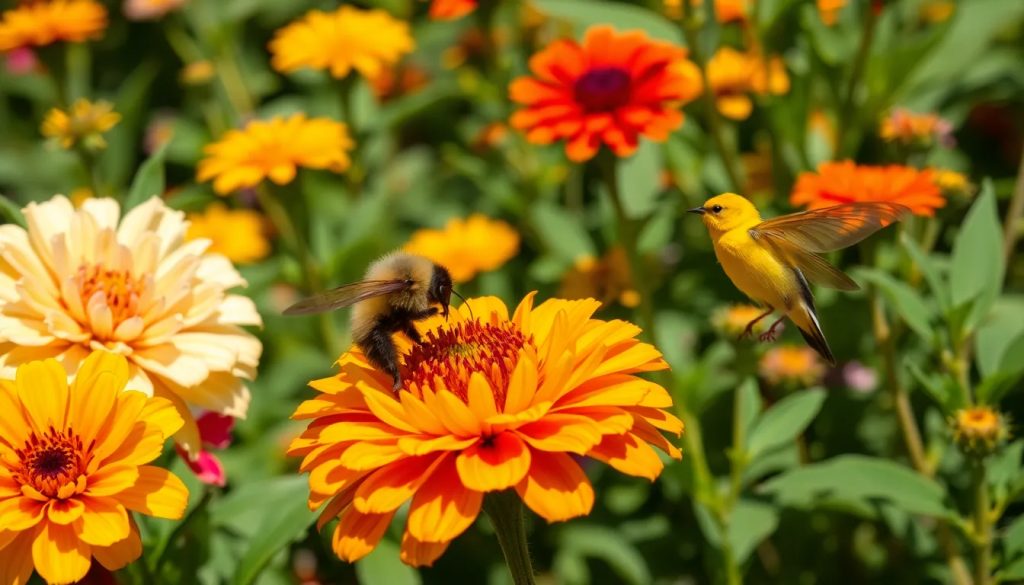
Although wasps and bees belong to the same insect order, they have distinct physical and behavioural characteristics. Wasps are generally slimmer and have a pointed abdomen, while bees are more robust and have a rounder abdomen. These differences in shape are key to identifying them.
In addition, social behaviour also differs between the two groups. Wasps may be solitary or live in colonies, while bees, especially those of the Apis mellifera species, are highly social. Wasps build nests from wood pulp, whereas bees use wax to build their hives.
Another notable difference is their diet. Wasps are predators that feed on other insects, making them allies in pest control. Bees, on the other hand, feed mainly on nectar and pollen and play a vital role in pollination.
Why are wasps important to the ecosystem?
Wasps play a crucial role in ecosystem biodiversity. They act as natural pest controllers, helping to maintain the balance of nature. By feeding on harmful insects such as aphids and caterpillars, they contribute to the health of crops and plants.
In addition, approximately 960 plant species rely on wasps for pollination. This is essential for food production and the conservation of plant species. Without wasps, many plants could be threatened, which would in turn affect the wildlife that depends on them.
Wasps are also indicators of a healthy ecosystem. Their presence and abundance can indicate the quality of the environment and its ability to sustain life.
How can wasps benefit agriculture?
Sustainable agriculture benefits greatly from the presence of wasps. By acting as a form of biological pest control, these creatures help reduce the need for insecticides. This not only protects the environment but also supports consumer health by reducing exposure to chemicals.
In crops such as corn and soybeans, wasps can effectively reduce pest populations. This leads to increased productivity and, in turn, higher incomes for farmers. By supporting pollination, they also help improve the quality and quantity of harvests.
Implementing agricultural practices that encourage wasps can be an effective strategy for making farming more environmentally friendly and sustainable. This includes planting species that attract wasps and creating suitable habitats for them to thrive.
Which sting is more painful, a wasp’s or a bee’s?
The comparison between wasp and bee stings is a topic that sparks curiosity. Wasp stings are generally considered more painful than bee stings. This is because wasp venom contains various compounds that can cause more intense reactions.
Symptoms of a wasp sting include sharp pain, redness and swelling. A bee sting, while also painful, is usually less intense. However, it is important to remember that stings from either insect can cause allergic reactions in some people.
Wasps can sting multiple times, unlike bees, which die after stinging because their stinger gets stuck in the skin. This means wasps may pose a greater threat if they feel provoked.
Where Do Wasps Live and What Do They Eat?
Wasps live in a wide range of habitats, from forests and grasslands to urban areas. They build their nests in sheltered places, often in trees, shrubs or human-made structures. Nest locations vary by species, but all wasps need a suitable environment to survive.
Wasps are mostly carnivorous. They feed on other insects, making them effective predators. They are also attracted to nectar and sugars, and eat fruit and other plant-based foods. This varied diet is essential for their development and for the growth of their larvae.
Some wasp species, such as social wasps, work together to hunt prey and feed their young. This social behaviour is essential to the colony's survival.
What Are the Characteristics of Wasps?
Wasps have several distinctive features that set them apart from other insects. One of the most notable is their slim, elongated body, which allows them to fly agilely. Their abdomen is usually pointed and segmented, a design that helps them defend themselves and find food.
Another characteristic is their colouring. Many wasps are yellow and black, making them easy to identify. This colouring not only warns predators but also plays a role in communication between individuals.
Wasps also have a stinger, which they use both to defend themselves and to catch prey. The stinger is an important tool in their social behaviour and their interactions with their surroundings.
Related Questions About the Importance of Wasps
Why Are Wasps Important?
Wasps are crucial to the ecological balance and the health of the environment. They act as pest controllers, helping to maintain biodiversity and healthy ecosystems. Their role in pollination is also essential, contributing to food production and plant sustainability.
Without wasps, many plant and animal species could be threatened, affecting the food chain and the overall health of ecosystems. In addition, their ability to control pests reduces reliance on insecticides, benefiting agriculture and human health.
What Would Happen If Wasps Didn't Exist?
The absence of wasps would have a significant impact on ecosystems. Without natural pest control, harmful insects could multiply unchecked, affecting both crops and wildlife. This could lead to a decline in biodiversity and the collapse of some ecosystems.
In addition, many plants that rely on wasps for pollination could face serious difficulties reproducing. This would affect not only plant life but also the wildlife that depends on these plants for food and shelter.
Which Is More Dangerous, Wasps or Bees?
In terms of aggression, wasps are generally considered more dangerous than bees. This is because they can sting multiple times and have potent venom. However, both wasps and bees can be dangerous if they feel threatened.
It is important to remember that most stings are not fatal and, while often painful, are manageable. Allergic reactions pose the greatest risk, and they can occur with either type of insect. Learning about their behaviour can reduce fear and negative perceptions of them.
What Is the Difference Between Bees and Wasps?
There are notable differences between bees and wasps. Physically, wasps are slimmer and have a pointed abdomen, while bees are more robust, with a rounded abdomen. In terms of behaviour, wasps are more aggressive and can sting multiple times, while bees die after stinging.
Wasps are carnivorous and help control pests, while bees focus on collecting nectar and pollen for food. Both insects are essential for pollination, but their impact on ecosystems and agriculture varies.