The concept of the *MacGuffin* has become prominent in the world of film, particularly in the work of filmmakers such as Alfred Hitchcock. Essentially, a MacGuffin is an element that drives the plot but often has no real importance to the development of the story. This article explores what a *MacGuffin* is, why it matters, how it works in storytelling, and some iconic examples from film.
What is a “MacGuffin”?
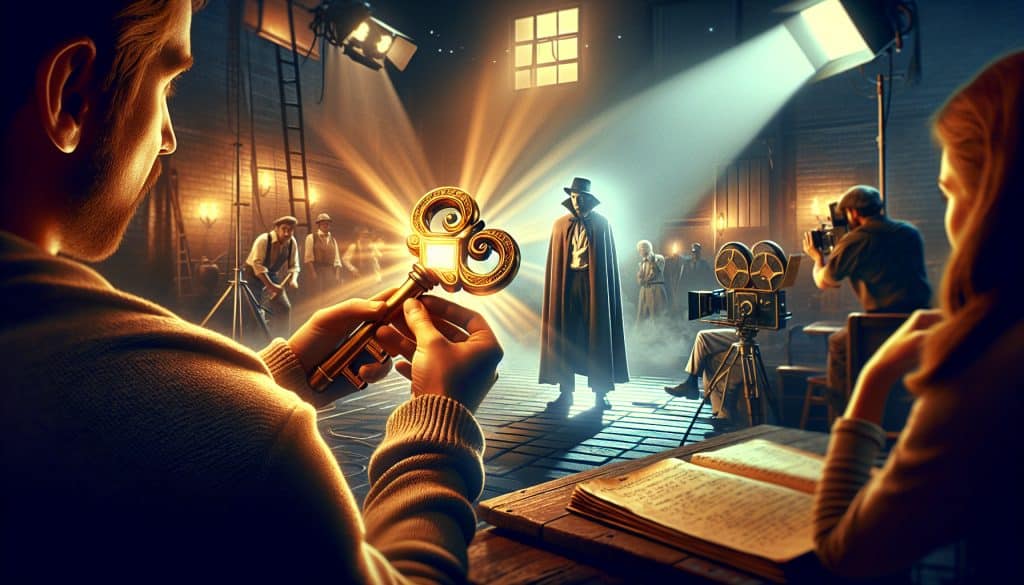
The term *MacGuffin* refers to an object, event, or character that is essential to the plot but has no significance in itself. According to Alfred Hitchcock, it is simply the “hook” that draws in the characters and the audience. Although this element may seem crucial, its true purpose is to move the story forward.
A *MacGuffin* is often a physical object, such as a briefcase full of money or a vital component of a plan. What really matters, however, is how the characters react to and make decisions about it. That is why the *MacGuffin* is crucial to understanding how tension is built in a story.
The term has also been adopted in other storytelling formats, such as podcasting. In these cases, the *MacGuffin* may take the form of a topic or dilemma that challenges the characters or narrators and drives the story forward.
Why Is a MacGuffin Important in Films?
The *MacGuffin* is important because it sets the framework for the story. It gives characters a reason to act, react, and make decisions that reveal their personalities and motivations. It often helps build suspense and intrigue, which are essential to many film genres.
- Drives the action: Without the *MacGuffin*, the story may stagnate.
- Develops characters: The characters’ choices in relation to the *MacGuffin* reflect their values and desires.
- Creates tension: The pursuit of the *MacGuffin* can create conflicts between characters, increasing audience interest.
In short, the *MacGuffin* is more than just a plot element; it is a storytelling tool that screenwriters use to keep the audience engaged. Without it, many stories would lose their direction and momentum.
How Does a MacGuffin Work in Storytelling?
A *MacGuffin* works in a rather ingenious way. Its role is largely that of a catalyst that sets the story’s action in motion. Characters may pursue it, fight over it, or even be manipulated by it, allowing the plot to progress.
Ultimately, the *MacGuffin* often turns out to be an object of little importance, but the journey to obtain it is what truly shapes the narrative. This creates a rich, multifaceted viewing experience.
For example, in *Psycho*, the *MacGuffin* is the money stolen by Marion Crane. Although the money drives the action, the film’s real focus shifts to character development and the choices the characters make.
Examples of MacGuffins in classic cinema
There are many examples of *MacGuffins* in classic cinema that illustrate their importance in storytelling. Here are some of the most notable:
- The briefcase in *Pulp Fiction*: This object is central to several interwoven stories and shows how a *MacGuffin* can sustain multiple plotlines.
- The statuette in *The Maltese Falcon*: This object is the focus of the entire intrigue and conflict, despite its true value being ambiguous.
- The money in *Psycho*: Although it motivates Marion’s actions, the film focuses more on psychological horror than on the object itself.
These examples show that the *MacGuffin* can be versatile and adapt to different narratives and genres, keeping audiences interested while allowing for deeper explorations of the characters.
What is a MacGuffin in podcasting?
The concept of the *MacGuffin* has also made its way into podcasting. In this context, a *MacGuffin* might take the form of an intriguing topic, a moral dilemma, or a conflict that the narrators and characters must resolve.
For example, a true-crime podcast might use an unsolved murder as its *MacGuffin*. This element drives the narrative, even though the main focus may be on analysing the emotions and decisions of those involved.
In addition, *MacGuffins* in podcasting help keep the audience interested. As listeners get caught up in the search for answers, they are also prompted to reflect on the broader themes explored throughout the series.
The origin and evolution of the term MacGuffin
The term *MacGuffin* was popularised by Alfred Hitchcock, although its exact origin is debated. Hitchcock described it as something that “doesn’t matter, but is necessary to the story.” Since its introduction, the concept has evolved and has been used in different ways in storytelling.
In the early days of cinema, the idea of a *MacGuffin* was simple: an object that moved the plot forward. Over time, however, it has become a more complex element that allows filmmakers to explore deeper themes. The ambiguity of the *MacGuffin* has also been the subject of critical analysis, reflecting how audiences interpret and respond to these narrative devices.
Today, the *MacGuffin* is a crucial storytelling device found in a variety of genres, from thrillers to comedies. Its flexibility and ability to create intrigue have helped it endure in contemporary storytelling.
Related questions about the MacGuffin concept
What does “MacGuffin” mean?
The term “MacGuffin” refers to an object or element that drives the plot of a story but has no significant value in itself. Its real importance lies in how the characters interact with it and the choices they make around it.
What is a MacGuffin in Spanish?
In Spanish, “macguffin” is an adaptation of the English term. It refers to the same concept: a narrative element that, although it seems essential, is actually irrelevant to the development of the plot. It is used in film, television, and even literature.
What is the difference between a red herring and a MacGuffin?
The main difference between a red herring and a *MacGuffin* lies in their function in the narrative. A *MacGuffin* is an element that drives the story, while a red herring misleads the audience or protagonist to divert their attention. In other words, the *MacGuffin* moves the plot forward, while the red herring creates confusion.
What is the MacGuffin in the film *Casablanca*?
In *Casablanca*, the passport Rick Blaine possesses could be considered the *MacGuffin*. Although the passport is crucial to the story’s conclusion, the film’s real depth lies in the relationships between the characters and their moral dilemmas, making it a brilliant example of a *MacGuffin* in classic cinema.