
A postal address is a fundamental part of logistics and mail delivery. It identifies the recipient’s location, ensuring that letters and packages reach their destination efficiently. Below, we’ll take a closer look at what a postal address actually entails and why it matters in everyday life.
Understanding a postal address is useful not only for sending mail but also for geographic information systems and public administration. This article explains its features and provides practical examples of how to use one correctly.
Differences Between a Postal Code and a Postal Address
One of the most common sources of confusion is the difference between a postal code and a postal address. A postal address provides specific information about a recipient’s location, while a postal code is one part of that address that helps identify broader areas.
A postal address includes several elements, such as the recipient’s name, street, number, city, and postal code. The postal code is a series of numbers or letters that indicates a specific area. It therefore acts as an additional code to help with delivery.
- Postal address: Includes the name, street, and number.
- Postal code: Identifies a specific geographic region.
In short, a postal address is complete and detailed, while a postal code is a key component that helps streamline the delivery process.
How to Write a Postal Address in Spain
Writing a postal address in Spain requires following certain conventions to ensure that mail reaches its destination without any problems. The typical format includes the recipient’s name, street, number, postal code, and locality.
For example, a correctly formatted postal address in Spain would look like this:
- Recipient’s name
- 123 Main Street
- 28001 Madrid
It is essential to write the address clearly and in the correct order, usually placing it in the center or on the right-hand side of the envelope. This makes it easier for courier companies to handle the delivery.
How to Write a Complete Postal Address
To write a complete postal address, you need to include all the necessary details. This helps identify the recipient correctly and also helps prevent delivery delays.
The basic details to include are:
- Recipient’s name
- Street and number
- Building or floor (if needed)
- Postal code and city
- Province
For example, a complete postal address could be written as follows:
Juan Pérez
Calle de la Paz, 45, 3º B
12345 Barcelona
Catalonia, Spain
Common Mistakes to Avoid When Writing a Postal Address
It is essential to take care when writing a postal address, as a mistake could prevent the item from being delivered. Common mistakes include:
- Leaving out the postal code.
- Misspelling the street name.
- Leaving out the house or building number.
- Confusing the city with the province.
Also, avoid using non-standard abbreviations, as they can cause confusion. It is always a good idea to check the address before sending your item.
What Is the Basic Structure of a Postal Address?
A postal address usually follows a standard format that makes it easy to understand. It generally consists of:
- Recipient’s name
- Address (street and number)
- Building or floor (if needed)
- Postal code and locality
- Province
This format is essential for sending both letters and parcels, and makes the work of courier and postal services easier.
Benefits of Standardising Postal Addresses
Standardising postal addresses offers many benefits, particularly in terms of efficiency and error reduction. Some of the main benefits are:
- Easier location finding: A well-structured address makes it easier to find a specific location.
- Improved logistics: Companies can plan more efficient delivery routes.
- Lower costs: It reduces shipping errors, saving time and resources.
Properly standardised addresses also help create more effective databases, making it possible to use Geographic Information Systems (GIS) for analysis and planning.
Related Questions About Postal Addresses
What Is My Postal Address?
To find your postal address, you can check official documents such as utility bills, rental agreements or even your official ID. Your postal address generally includes your name, street, number and postal code.
Another option is to use online tools that provide the exact address associated with your place of residence based on your location. Make sure all the information is up to date to avoid confusion.
What Should a Postal Address Include?
A postal address mainly includes the recipient’s name, full address (street and number), postal code, city, and province or autonomous community. Each of these details is essential to ensure that mail is delivered correctly.
It is also important to avoid unnecessary information that could confuse postal services. Make sure the address is written clearly and legibly.
How Do You Find Your Postal Address?
Your postal address is based on the information associated with your location. You can request it from your local administration, check your documents, or use online services that identify your address using details such as your geographical location.
You can also check interactive maps that provide a full address based on nearby points of interest. This is especially useful if you have recently moved.
How Do You Fill In a Postal Address?
To fill in a postal address correctly, follow this format: start with the recipient’s name, followed by the address, including the street and number, then the postal code, city and finally the province.
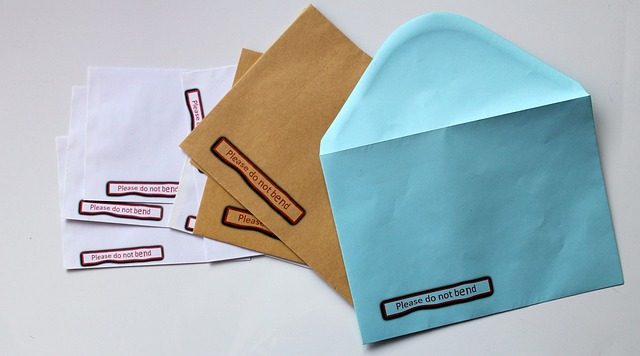
Remember to write each detail on its own line and in the correct order to avoid confusion that could affect the delivery of your mail.