Have you ever felt excessively worried about the future? Have you experienced heart palpitations, sweating, irrational thoughts, and a fear of “something—I don’t know what”? That’s anxiety, and you may even be on the verge of having panic attacks.
Most of us have experienced anxiety at some point in our lives—before handing in an exam, giving a presentation, undergoing a medical test, or in other situations. This is normal. However, some people live with anxiety to a greater extent than usual.
WHO figures indicate that approximately 8% of the population suffers from anxiety, and 20% have experienced it at some point.
A diagnosis of generalized anxiety disorder requires symptoms to be present for at least 6 months.
Anxiety symptoms can vary from person to person. They do not affect everyone in the same way or with the same intensity. They can include breathing problems, social withdrawal, and difficulty concentrating. Some people may experience constant back and neck pain as a result, while others may not be able to regain stability without medical treatment.
If you frequently suffer from anxiety, here are some tips that have helped me when I enter this heightened state, along with some that other people have chosen to try. Let’s take a look.
Analyze Yourself

What questions keep making you feel anxious?
They say depression comes from clinging to the past, anxiety from clinging to the future, and that the present is the key to happiness and complete peace of mind.
We develop patterns in our routines, have bad habits, and tend to become anxious about the same situations and questions. However, we don’t realize that we keep doing the same things, asking ourselves the same questions, and suffering in the same way without changing anything. That’s why you should take some time to analyze yourself.
Sit somewhere quiet, take a deep breath, and close your eyes. In your mind, go through your day from beginning to end and pay attention to which parts made you anxious and why. Do this for a week, and you’ll notice that the situations are similar. Once you’re aware of the questions and actions that make you anxious, you’ll have a starting point for doing something about them.
[irp posts=»485″ name=»3 tips for expressing your emotions in a healthy way»]
Focus on the Present
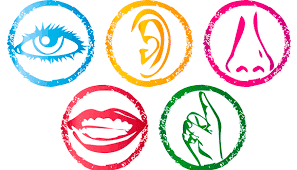
When I have an anxiety attack, the first thing I do is steady my breathing. I breathe in and out deeply. Once I feel calmer, I focus on the present. Instead of thinking about how bad I feel, I bring my awareness to the moment I’m in by focusing on:
- Sight
- Hearing
- Smell
- Touch
- Taste
Yes, our 5 senses. I pay attention to my surroundings using all my senses:
Sight: What am I seeing? I answer myself mentally: “I see a keyboard,” “I see my hands.”
Hearing: Next, I pay attention to what I hear: people typing, murmuring.
Smell: If there are any nearby smells, I notice them too.
Touch: I feel my body in contact with the chair, the wall, or the floor, depending on where I am, and I notice each part of my body.
Taste: If I’m tasting something, I focus on its flavor.
Make the Most of It

You might think I’m crazy for telling you to make the most of anxiety, but it’s possible—and I’ll explain what I mean. People who experience constant anxiety have a lot of energy, and their bodies and minds are on high alert. You could channel that energy into going to the gym, running, playing an instrument, or taking dance classes.

Another positive trait is that people with anxiety tend to be more analytical. As a result, they may find solutions others might not, because they focus more closely and examine potential drawbacks and benefits, options, and possibilities in greater depth before making a decision.
They also tend to be more sensitive and empathetic, so people may appreciate your advice or guidance in some aspect of their lives.
If you feel that this problem is overwhelming you and you suffer from anxiety day after day, don’t hesitate to seek psychological help. You don’t have to live this way.