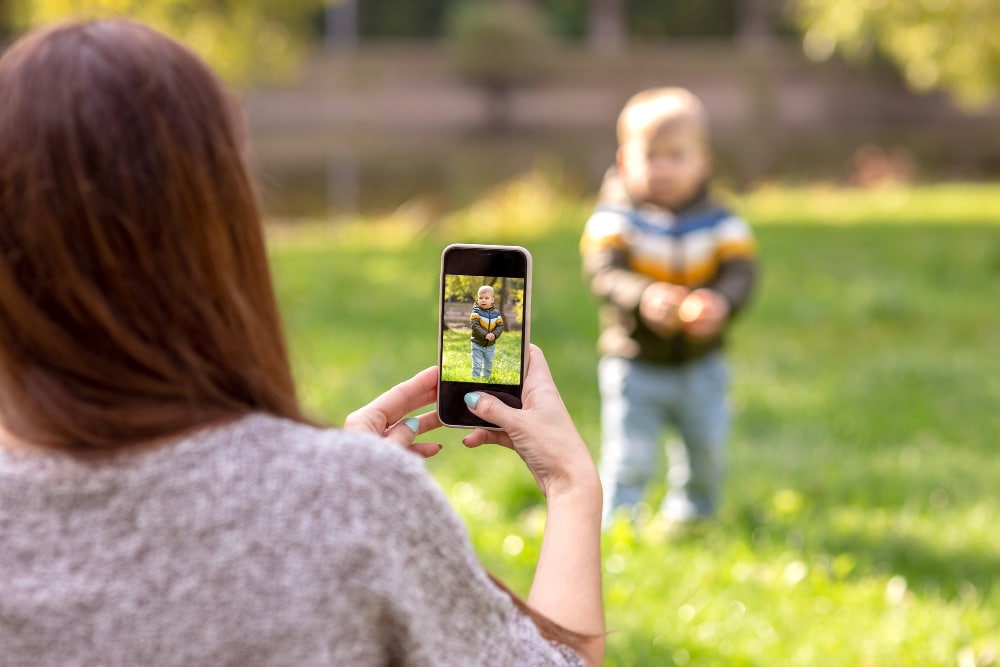
In recent years, the term sharenting has gained prominence in the digital world. It combines the words ‘share’ and ‘parenting’ to describe the practice of parents posting photos or information about their children on social media. At first glance, it may seem like a harmless way to keep family and friends up to date on children’s growth and activities, but experts are beginning to point out the potential negative effects of this practice.
What risks does sharenting pose to your children?
Sharing children’s personal information online can involve several risks. One of the most obvious is the violation of minors’ privacy, as they are not yet able to consent to or fully understand the implications of having a digital presence.
Another significant risk is that malicious individuals could use the information and images shared for harmful purposes, such as cyberbullying or exploitation.
Sharenting can also contribute to creating a digital footprint that may follow children throughout their lives, affecting future opportunities such as university admissions or job searches.
Psychologists also warn of possible effects on children’s emotional wellbeing and self-esteem, as they may feel exposed or judged because of unwanted attention online.
How can you practise sharenting responsibly?
- Before posting, think about the future consequences the information you share could have for your children.
- Ask your children and respect their wishes about what can be shared online, whenever possible.
- Use privacy settings on social media to control who can see posts about your children.
- Follow the recommendations of organisations such as the AEPD to protect minors’ personal data online.
- Share anonymously or limit details to minimise the amount of identifiable information online.
What are the dangers of sharenting on social media?
Social media platforms are public spaces where information can be quickly shared and redistributed, potentially leading to the uncontrolled exposure of minors’ images. Photos of children on social media can be downloaded and used without permission, increasing the risk of misuse.
In addition, social media algorithms can keep shared information visible and accessible, making it virtually impossible to remove it completely from the digital world.
It is also important to consider the impact of oversharing on how children view privacy and how they value themselves and others online.
Is it ethical to monetise your children's image on social media?
Monetising children’s image on social media is becoming more common, but it raises significant ethical questions. To what extent is it fair to profit from minors’ images or activities when they cannot give informed consent?
Furthermore, this practice may lead parents to make decisions that prioritise entertainment value over their children’s wellbeing, which could have negative consequences for their emotional and psychological development.
What digital footprint do our children leave behind?
Our children’s digital footprint begins to form as soon as the first image or personal detail is shared online. It can include names, dates of birth, personal preferences, achievements and other details that make up a digital identity that remains online indefinitely.
In addition, third parties may use this digital identity to create profiles, potentially affecting minors’ online reputations and exposing them to risks such as identity fraud or discrimination.
Related questions about sharenting and its effects on children
What are the negative effects of sharenting?
The negative effects of sharenting include possible violations of privacy, exploitation of minors’ images, the creation of a permanent digital footprint, and adverse psychological effects caused by overexposure online.
These effects can impact not only children’s childhood but also their adult lives, for example by making it harder for them to control their own image and digital identity.
Is sharenting good or bad?
Sharenting is not inherently good or bad; it depends on how it is practised. Responsible sharenting that takes minors’ privacy and consent into account can be a way to share happy moments with a close circle of people.
On the other hand, uncontrolled sharenting that disregards a child’s privacy and wellbeing can have negative consequences and may therefore be considered harmful.
What is sharenting? Examples
Sharenting is the practice of sharing details of children’s lives on social media or online platforms. Common examples include posting photos from school events, sharing academic or sporting achievements, and telling personal anecdotes about children.
Although often well-intentioned, these actions should be carried out with care and respect for minors’ privacy and future digital autonomy.
What is it called when parents post photos of their children?
When parents post photos of their children on social media or online platforms, this is known as sharenting. This trend has sparked debate about privacy and minors’ right to control their image online.
It is essential for parents to learn about and reflect on the consequences of sharenting for children's lives before sharing content involving them.
In summary, sharenting is a practice that calls for careful consideration and a responsible approach from parents. Given the risks and potential consequences, it is crucial to protect minors’ privacy and wellbeing in the digital environment.