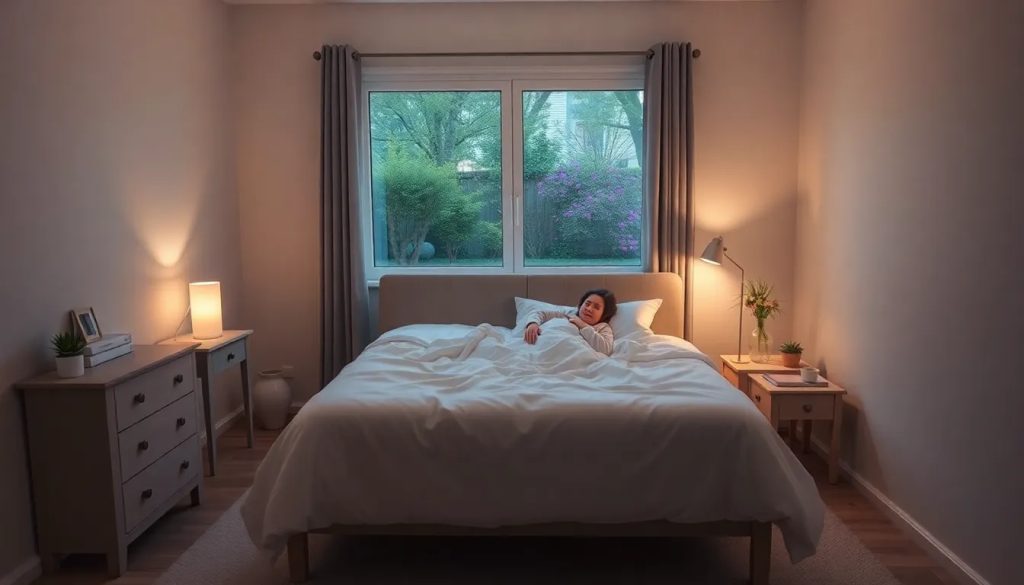
White noise has become a popular tool for helping people sleep better. This steady sound, which covers all audible frequencies, can mask disruptive noises and create an environment more conducive to rest. In this article, we’ll explore in depth what white noise is and why so many playlists recommend it for sleep
From its ability to block unpredictable sounds to its positive effects on relaxation, white noise is growing in popularity around the world. Let’s find out how it works and whether it really could be the solution you need for a restful night’s sleep.
What is white noise, and how effective can it be in helping you sleep?
White noise is a sound that includes all audible frequencies at equal power levels. It resembles the sound of an untuned television or a running fan. Its main function is to mask environmental noises that can be bothersome, such as traffic or a partner’s snoring.
By creating a steady sound backdrop, white noise can help improve sleep quality. By blocking unexpected noises, the brain can relax more easily, allowing a person to drift into a deeper sleep.
Several studies suggest that white noise may be useful for people who struggle with insomnia or have difficulty falling asleep in noisy environments. However, it’s important to keep in mind that the effects can vary from person to person.
Does white noise help us sleep better?
The short answer is yes, but with a few caveats. White noise can help create a calm, relaxing environment, making it easier to fall asleep. One study even suggests that using white noise can increase sleep duration and quality for some people.
In addition, regular use of white noise may train the brain to associate that sound with sleep, which can help establish a bedtime routine. However, it’s crucial not to rely solely on this method, since sleep quality also depends on other factors, such as sleep hygiene and the bedroom environment.
In terms of effectiveness, some people find that white noise helps them sleep more deeply, while others may not notice a significant difference. So it’s worth trying it to see whether it really works for you.
Why Can White Noise Help You Sleep?
One of the main reasons white noise may help you sleep is its ability to mask disturbing sounds. When your brain is interrupted by external noises, such as traffic or a barking dog, it can be harder to fall asleep. White noise creates a steady sound that may help block out these interruptions.
White noise can also promote a state of relaxation and calm. By creating a consistent sound environment, it may reduce mental activity and encourage sleep. This makes it a useful tool for people experiencing anxiety or stress, as it may help calm the mind.
Finally, white noise has also been linked to improved concentration. By reducing sound distractions, many people find they can focus better on specific tasks while awake, which is an additional benefit to consider.
What Are the Positive Effects of White Noise?
The positive effects of white noise go beyond simply improving sleep. Some of its main benefits include:
- Relaxation: White noise may help calm the mind and reduce stress levels.
- Improved sleep: Regular use may help people fall asleep faster and sleep more continuously.
- Noise masking: It blocks disturbing sounds that can disrupt sleep, allowing for deeper rest.
- Concentration: It may help you stay focused on tasks that require attention by eliminating sound distractions.
- Use with babies: Many parents find that white noise helps soothe their babies and establish healthy sleep patterns.
Are There Any Drawbacks to White Noise?
Despite its benefits, white noise has some potential drawbacks to consider. Excessive use or listening at too high a volume may have long-term negative effects on hearing. This is because it can damage the hair cells in the ear, potentially leading to hearing loss.
Some people may also find that white noise is ineffective or even becomes a source of distraction rather than relaxation. For this reason, it is essential to adjust the volume and duration of use to avoid potential negative effects.
White noise is also not recommended for every sleep condition. For example, it is not an appropriate treatment for people with sleep apnea and may mask the sounds of apnea episodes.
Is White Noise a Good Option for People with Sleep Disorders?
For many people with sleep disorders, white noise can be a useful tool for improving sleep quality. However, it is not a universal solution. While some people report significant improvements, others may not notice any change.
People with sleep disorders are advised to consult a professional before adding white noise to their routine. A sleep specialist can offer personalised recommendations and consider other treatment options that may be more effective.
It is also important to consider the setting in which white noise is used. For example, it may be more effective in noisy environments than in naturally quiet areas. Trying different types of sounds and volume levels can help you find the best option.
Benefits of White Noise for Sleep
Some of the main benefits of white noise for sleep include:
- Promotes restful sleep: It helps maintain more consistent sleep by minimising disruptions.
- Reduces anxiety: The steady sound can create a relaxing environment that encourages rest.
- Encourages a routine: Associating white noise with sleep may help establish healthier sleep habits.
- Ideal for babies: Many white noise playlists are specifically designed to help babies settle and sleep better.
How to Use White Noise for Better Sleep
To get the most out of white noise and improve your sleep quality, consider these tips:
- Use apps or devices: Many apps and white noise machines offer different types of sounds.
- Try different volume levels: Adjust the volume until you find a comfortable level that isn’t too loud.
- Set a schedule: Use white noise whenever you go to sleep to establish a routine.
- Combine it with other techniques: Consider pairing it with relaxation practices such as meditation or breathing exercises.
- Try different types of noise: There are variations such as pink or brown noise; experiment to see which works best for you.
Related Questions About Using White Noise for Sleep
What Is White Noise and Why Does It Help You Sleep?
White noise is a steady sound that contains all frequencies at equal intensity, making it ideal for masking external noises. This allows people to relax and focus on sleep by blocking sounds that could be disruptive.
As a result, it can be an effective tool for people who have trouble sleeping in noisy environments or wake up easily. Its ability to maintain a consistent background sound helps create an environment conducive to restful sleep.
Why Do I Always Need White Noise to Sleep?
If you feel you need white noise to sleep, it may be because your brain has become accustomed to associating those sounds with sleep. Your brain may come to rely on this type of sound to relax and fall asleep more quickly.
White noise also provides a sense of security and comfort by blocking unexpected sounds, which can be especially helpful if you live in a noisy area or are a light sleeper.
What Is the Best White Noise for Falling Asleep?
The “best” white noise can vary from person to person. Some people prefer lower-pitched sounds, while others may choose a lighter sound. It is therefore worth trying different types of white noise, such as pink or brown noise, to see which best suits your needs.
Many apps and devices offer a variety of sounds, allowing you to experiment until you find what works best for you.
What Colour Noise Is Best for Sleep?
Besides white noise, other noise colours may also help with sleep. For example, pink noise has a different balance of frequencies and is softer, which some people may find more pleasant. Brown noise, on the other hand, has a deeper tone and may offer a more relaxing listening experience.
The colour of noise you choose depends on personal preference, so it is best to try different options and see which feels most comfortable and effective.