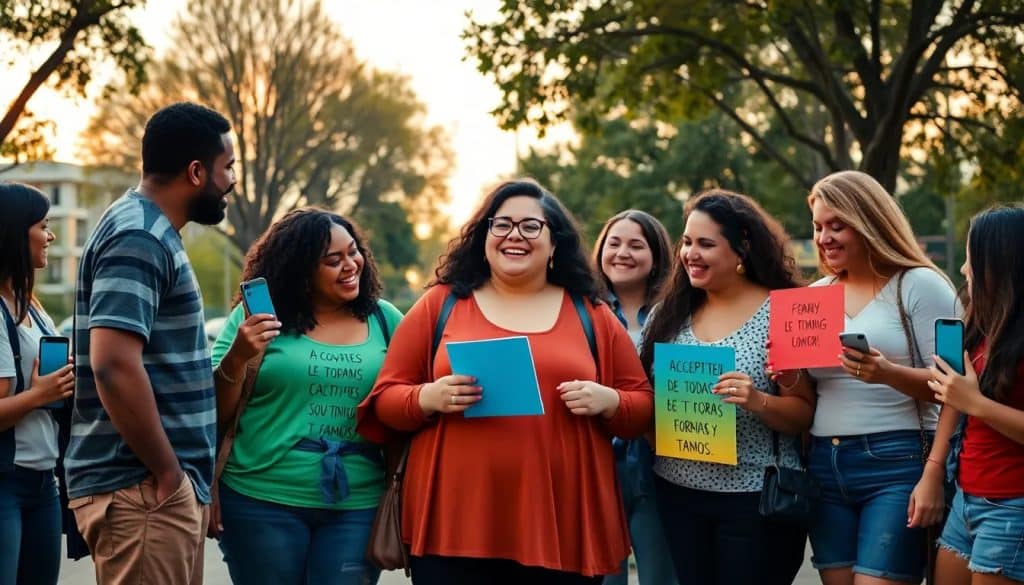
Social media have transformed how we communicate and perceive the world, but they have also contributed to the spread of stigma. In particular, fatphobia has become normalized on digital platforms, seriously affecting younger generations. This article explores the impact social media have on perceptions of obesity and how strategies can be implemented to address this issue.
How does digital fatphobia affect teenagers?
Digital fatphobia has a profound impact on teenagers’ mental health. According to recent surveys, a high percentage of young people report high levels of body dissatisfaction. This phenomenon is exacerbated by constant exposure to idealized images and content that promotes unattainable beauty standards.
Teenagers are particularly vulnerable to these influences because they are at a critical stage in the development of their self-esteem. Many feel pressured to conform to the beauty standards prevalent on social media, which can lead to mental health problems such as anxiety and depression.
A recent case study found that more than 60% of teenagers feel insecure about their bodies after browsing platforms such as Instagram and TikTok. Constant comparisons with others can lead to the normalization of fatphobia among their peers.
What are the effects of social media on perceptions of obesity?
Social media have a wide range of effects on perceptions of obesity. They have created a culture in which being overweight is wrongly associated with a lack of discipline or success. As a result, people who are overweight face discrimination and stigma in their daily lives.
- Weight-based discrimination: Ridicule and bullying targeting people with overweight have increased on digital platforms.
- Stigma on social media: Posts criticizing obesity have become commonplace, perpetuating a cycle of hate and rejection.
- Fitness and health content: An obsession with fitness leads to an increase in extreme diets and unhealthy practices.
This distorted perception also affects how adolescents relate to food and exercise. The obsession with a “healthy lifestyle” often leaves no room for enjoying food, which can lead to eating disorders.
What strategies can be used to combat fatphobia online?
Combating fatphobia online requires a multifaceted approach involving both digital platforms and the community. Some effective strategies include:
- Create inclusive content: Promote images and messages that portray body diversity in a positive way.
- Promote education about fatphobia: Include topics about fatphobia in school curricula to raise awareness among young people.
- Content regulation: Platforms should establish stricter policies against content that discriminates against or stigmatizes people because of their weight.
Implementing these strategies can help create a healthier, more respectful online environment where everyone feels accepted, regardless of their size or shape.
How do influencers contribute to the normalization of fatphobia?
Influencers play a crucial role in shaping how bodies are perceived on social media. Their messages and lifestyles often reinforce stereotypes about what is “normal” or “desirable.”
Some influencers promote extreme diets and exercise routines that can be harmful. This affects not only their health but also sends a dangerous message to their followers. The influence of influencers on obesity is evident in the way their followers adopt these behaviors in search of approval and acceptance.
It is essential for influencers to use their platforms to promote body diversity and self-love, rather than contributing to the normalization of fatphobia.
What is fatphobia, and why is it important to talk about it?
Fatphobia is defined as fear, rejection, or discrimination directed at people who are overweight or have obesity. This phenomenon affects not only those who are targeted with contempt, but also has wider repercussions for society. Stigma on social media and the pressure to meet unrealistic beauty standards can lead to a public health crisis.
Talking about fatphobia is crucial because it brings visibility to a problem that affects millions of people. Encouraging discussion of this issue can help reduce stigma and foster a more inclusive environment. Platforms must be aware of their power and responsibility in the fight against fatphobia.
How can we foster an inclusive environment on social media?
Fostering an inclusive environment on social media requires commitment from all users and content creators. Some steps people can take include:
- Support communities that promote acceptance of body diversity.
- Report fatphobic or discriminatory content on platforms.
- Share the stories and experiences of people of different sizes to build empathy and understanding.
Body diversity in digital media must be a priority. Creating a space where everyone feels represented is essential to fighting fatphobia and its negative effects on mental health.
Related questions about fatphobia on social media
What is digital fatphobia?
Digital fatphobia refers to discrimination and rejection directed at people who are overweight and expressed on online platforms. This type of fatphobia is perpetuated through memes, posts, and comments that reinforce stereotypes about obesity. The impact of social media on fatphobia is significant, affecting the self-esteem and mental health of those who experience this discrimination.
How does the media influence fatphobia?
The media, including social media, play a crucial role in normalizing fatphobia. The limited representation of diverse bodies and the idealization of certain types of beauty contribute to the normalization of fatphobia among adolescents. This creates an environment where stereotypes are reinforced and body dissatisfaction is perpetuated.
When is Fatphobia Awareness Day?
International Fatphobia Awareness Day is observed on 6 May. The date aims to raise awareness of the discrimination faced by people who are overweight and promote cultural change toward acceptance of body diversity. It is a time to reflect on the effects of fatphobia and how we can help eliminate it.
How can fatphobia be defined?
Fatphobia is aversion to or discrimination against people who are overweight or obese. It takes many forms, including ridicule, exclusion, and the spread of negative stereotypes. Discussing fatphobia is essential to understanding its impact and working toward a more inclusive and respectful society.