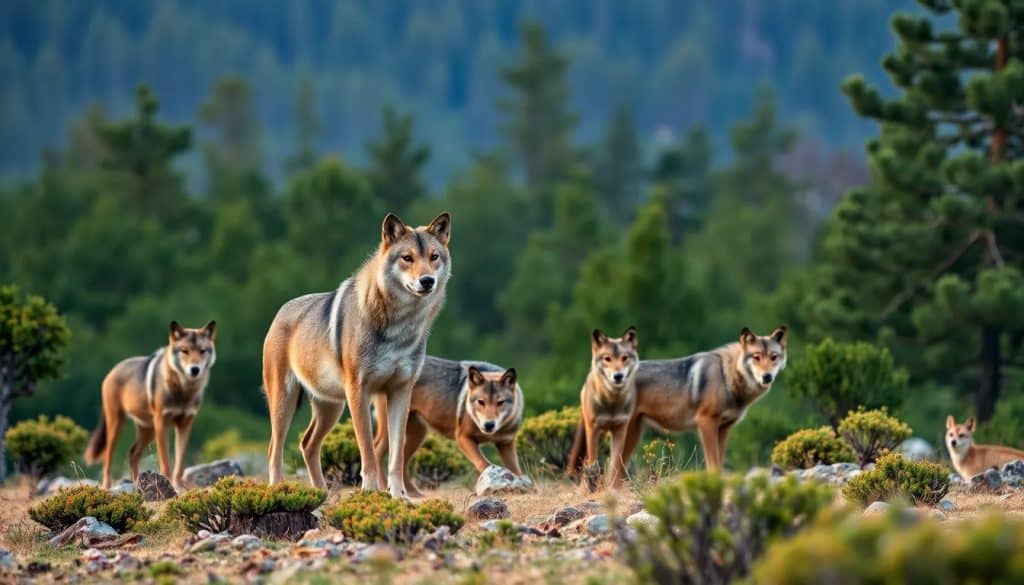
The Iberian wolf is one of Spain’s top predators, and spotting one has become a unique experience for many nature lovers. Thanks to conservation efforts, the population has been growing, and wolves can be seen in several parts of the country. In this article, we’ll explore the best places to see wolves in their natural habitat, along with some tips for doing so responsibly.
If you’re wondering where you can see wolves in Spain, read on to discover the top destinations for enjoying this unforgettable experience.
Where can you see wolves in Spain?
Spain has a range of natural areas where wolves can be spotted, offering suitable habitat for their survival. Sierra de la Culebra is one of the best-known places for wolf watching. It is home to a stable population of Iberian wolves and is internationally recognized for its biodiversity.
Other parks and reserves, such as Sierra de Andújar and Despeñaperros Natural Park, are also excellent options. Visitors can enjoy the beautiful scenery while waiting for the perfect moment to spot these magnificent animals.
- Sierra de la Culebra
- Sierra de Andújar
- Despeñaperros Natural Park
- Las Batuecas-Sierra de Francia Natural Park
- Monfragüe National Park
Each of these places offers a unique experience, with trails and guides to help visitors better understand the behavior and ecology of the Iberian wolf.
What is the best time of year to see wolves in Spain?
The best time to see wolves in Spain is usually during winter and spring. During these seasons, wolves are more active and easier to spot because there is less dense vegetation.
In winter, the snow-covered landscape creates a spectacular contrast and makes it possible to see wolf tracks in the snow, which also makes them easier to locate. Spring, on the other hand, brings the landscape to life: wolves care for their young and are more visible.
It’s important to remember that, although these are the most favorable times, wolf sightings depend on several factors, such as the weather and time of day. Early morning and dusk are usually the best times.
Where can I see wolves in captivity?
If you’d prefer to observe wolves in a controlled environment, several centres in Spain offer this opportunity. The Iberian Wolf Centre “Félix Rodríguez de la Fuente”, located in Zamora, is one of the most notable.
This centre not only gives visitors the chance to see wolves, but also offers educational activities about Iberian wolf conservation. Visitors can learn about the wolves’ role in the ecosystem and the threats they face, making the experience both enriching and educational.
Other conservation centres and sanctuaries also offer the chance to see these animals up close, always with a focus on education and preserving the species.
The best places to see wolves in the wild
Some of the most recommended places to see wolves in the wild in Spain include:
- Sierra de la Culebra
- Sierra de Andújar
- Tablas de Daimiel Natural Park
- Monfragüe National Park
- Sierra de Grazalema Natural Park
These places are ideal not only for spotting wolves but also for enjoying other outdoor activities. From hiking to watching other species, these natural areas are perfect for a day of adventure.
When looking for where to see wolves in Spain, remember that it’s essential to enlist the help of specialist guides who can maximise your chances of spotting them and ensure it’s done responsibly.
Iberian Wolf Centre: information and activities
The Iberian Wolf Centre “Félix Rodríguez de la Fuente” is a leading destination for anyone interested in learning about the Iberian wolf and its conservation. The centre offers workshops, talks and guided tours that give visitors the chance to learn more about this emblematic species.
At the centre, visitors can observe wolves in their habitat, learn about their behaviour and take part in conservation activities. This kind of education is crucial to understanding the wolf’s importance in the ecosystem and how protecting it benefits other species.
The centre also works on research and conservation projects, helping to restore the Iberian wolf population on the Iberian Peninsula.
Tips for responsible wolf watching
When trying to spot wolves in their natural environment, it’s crucial to follow certain guidelines to ensure both visitors’ safety and the animals’ protection. Here are some tips:
- Use binoculars to watch from a distance, and don’t get too close.
- Follow the rules of the parks and reserves where you go wolf watching.
- Avoid making noise so you don’t scare the animals.
- Don’t leave litter or food behind.
- Ask wildlife guides about best practices.
Following these tips will not only improve your chances of spotting wolves, but also help conserve the Iberian wolf and its habitats.
Organisations and projects working to conserve the Iberian wolf
In Spain, various organisations work to conserve the Iberian wolf, a key predator in maintaining ecosystem balance. Projects such as the Wolf Conservation Center and local associations aim to protect and increase wolf populations, as well as educate the public about their importance.
These organisations conduct field studies and awareness campaigns, and work with public authorities to develop effective conservation policies. They are also involved in rehabilitating injured animals and creating wildlife corridors that connect wolf populations.
The Iberian Wolf Centre also plays a key role in these efforts, providing a space for research and education and raising public awareness of the species’ current situation.
Related questions about wolf watching in Spain
Where can wolves be found in Spain?
Iberian wolves can be found in several parts of the Iberian Peninsula, especially in mountainous and rural areas. The most common areas include the Sierra de la Culebra and the Sierra de Andújar, where the population is more stable and conservation efforts are underway.
Where are wolves found in Spain?
As mentioned earlier, areas such as the Sierra de la Culebra are ideal for wolf watching. Wolves can also be found in Tablas de Daimiel Natural Park and Monfragüe National Park, among other natural areas.
Where can I see wolves?
The best place to see wolves in their natural habitat is in protected areas such as those mentioned above. If you’d prefer a controlled environment, the Iberian Wolf Centre “Félix Rodríguez de la Fuente” is highly recommended.
Where are you most likely to see a wolf?
Your chances of seeing a wolf are higher in the early morning or at dusk, especially in places such as the Sierra de Andújar. It’s always best to go with an experienced guide who knows the area and wolf behaviour.
Wolf watching in Spain can be a magical and transformative experience. With proper planning and respect for nature, you can enjoy one of the wonders of Iberian wildlife. Get ready to explore these incredible natural areas!