Shelling sunflower seeds is a process that has sparked the curiosity of many. The idea that this work is done by elderly women by hand is a popular myth that has persisted over time. However, the sunflower seed shelling process is much more complex and efficient than most people imagine. In this article, we’ll debunk the urban legend about shelling sunflower seeds by explaining how it is actually done.
Who peels shelled sunflower seeds?
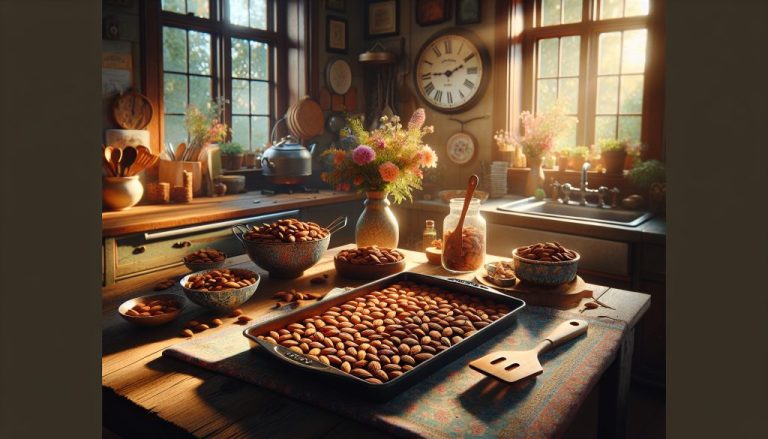
When we think about shelling sunflower seeds, many people picture a grandmother at home, peeling the seeds one by one. The reality, however, is that sunflower seed shelling takes place in industrial settings. Production begins with roasting the seeds, a crucial step that makes the shells easier to crack. This process is not only faster, but also ensures better hygiene controls.
Centrifugal machines play a key role in the process. They use air pressure and movement to help crack the sunflower seed shells. Once the seeds have been roasted and the shells cracked, sieves are used to separate the shelled seeds from the shells. This industrial method is efficient and ensures that the final product is free of impurities.
The book «Ya está el listo que todo lo sabe» documents this process and debunks many myths about shelling sunflower seeds. This is not only interesting from a cultural point of view, but also offers insight into how technology has transformed traditional practices.
How are sunflower seeds shelled, and why should we include them in our diet?
The industrial sunflower seed shelling process involves several steps that ensure both efficiency and product quality. First, the seeds are roasted at high temperatures. Roasting not only enhances their flavor, but also makes the shells easier to crack.
Next, centrifugal machines are used. These machines can process large quantities of sunflower seeds in a short time. Movement and air pressure allow the shells to separate easily, leaving a clean product that is ready to eat.
Including shelled sunflower seeds in our diet has many benefits. They are rich in nutrients such as magnesium, phosphorus, and healthy fats. What’s more, they make a healthy snack alternative to more processed products. Sunflower seeds are not only delicious, but also provide fiber, which aids digestion.
Is it more hygienic to shell sunflower seeds with machines?
Hygiene is crucial in the sunflower seed shelling process. Using machines for this purpose ensures stricter control of sanitary conditions. In industrial settings, machines are designed to operate to very high cleanliness standards, minimizing the risk of contamination.
Compared with manual shelling, which may be exposed to various uncontrolled conditions, using machines is undoubtedly more hygienic. In addition, the automated process reduces human contact, lowering the chances of introducing bacteria or impurities.
Technology also allows for more effective quality monitoring. Machines can be adjusted to ensure that each batch of sunflower seeds meets the established standards. This ensures consumers receive a safe, high-quality product.
What is the industrial process for shelling sunflower seeds?
The industrial method for shelling sunflower seeds is divided into several stages to ensure the efficiency and quality of the final product. First, the seeds are roasted. This step is crucial because it not only improves their flavor, but also makes the shells easier to crack.
After roasting, the sunflower seeds are fed into centrifugal machines. These machines are at the heart of the shelling process. They use compressed air and vibrations to crack the shells without damaging the seed inside. This technology makes it possible to process large quantities of sunflower seeds in a short time.
Finally, the sunflower seeds and their shells are separated using sieves. This process ensures that only shelled seeds reach consumers. The effectiveness of this method not only improves the efficiency of shelling sunflower seeds, but also ensures that the final product is high quality and meets the necessary hygiene standards.
Are shelled sunflower seeds healthier than unshelled ones?
When comparing shelled and unshelled sunflower seeds, it’s important to consider several factors. Shelled seeds are usually more convenient to eat, since you don’t have to remove the shells before eating them. This makes them an ideal snack to take with you and enjoy anywhere.
From a nutritional perspective, shelled sunflower seeds still offer the same benefits as unshelled ones. However, some people prefer to eat them with the shells for the fiber they provide. Sunflower seed shells can be difficult for some people to digest; therefore, choosing shelled seeds may be a more comfortable option.
In terms of health, shelled sunflower seeds may be more appealing to those looking to reduce their calorie intake. The benefits of shelled sunflower seeds include their high antioxidant and healthy fat content, making them a nutritious option.
What other ways are there to eat sunflower seeds?
Sunflower seeds aren’t only eaten shelled; there are many ways to enjoy them. Here are a few options:
- Roasted sunflower seeds: Ideal as a snack, they’re available in several varieties.
- Sunflower seeds in salads: Adding sunflower seeds to salads can enhance the flavor and add a crunchy texture.
- Sunflower seeds in baked goods: They can be used in cakes and cookies to add a special touch.
- Sunflower seeds in sauces: Blended into pesto or another sauce, they add a unique flavor to dishes.
- Sunflower seeds as a topping: They’re great for garnishing dishes and adding extra flavor.
The possibilities are almost endless. Sunflower seeds can be an excellent way to add nutrients to our diet in a delicious and varied way.
Related questions about shelling sunflower seeds
How are the sunflower seeds sold shelled removed from their shells?
Sunflower seeds sold shelled undergo an industrial process that includes roasting, the use of centrifugal machines, and separating the shells with sieves. This process ensures that the seeds are ready to eat without having to shell them by hand. Roasting helps the shells break easily, while the machines ensure efficient, clean shelling.
What happens if I eat sunflower seed shells?
Eating sunflower seed shells isn’t necessarily harmful, but it may not be advisable for everyone. The shells are high in fiber, which could cause digestive problems if eaten in large quantities. Some people may experience stomach discomfort. Therefore, it’s preferable to eat shelled sunflower seeds to avoid any possible discomfort.
What are sunflower seed shells?
Sunflower seed shells are the hard outer covering that protects the seed inside. They are part of the plant’s fruit and serve a protective function. In the industrial process, the shells are removed, allowing only the shelled seeds to reach consumers. Although they are high in fiber, many people choose not to eat them directly because of their hard texture.
Are shelled sunflower seeds good for you?
Yes, eating shelled sunflower seeds is beneficial for your health. They provide important nutrients such as healthy fats, protein, and antioxidants. They’re also an excellent snack because they’re easy to carry and eat at any time. Adding them to your diet can contribute to a more balanced and delicious diet.