Social media reaches an average of 40% of the world's population today, and this figure is considerably higher in many countries. To give you a clearer idea of the numbers, more than 3 billion people have a profile on at least one social media platform. This gives social media a prominent place on the internet, thanks to the traffic it generates and the billions of dollars it brings in through advertising.
If you use social media today, keep in mind that it offers users many benefits. One of these is the opportunity to promote small or large businesses. If you have a business and it isn't on social media yet, check out the strategies on Gananci to help you get this important project off to a great start.
The thing is, social media offers more than just significant advantages. It also has a darker side that can cause serious problems for people who don't take the necessary precautions when using it.
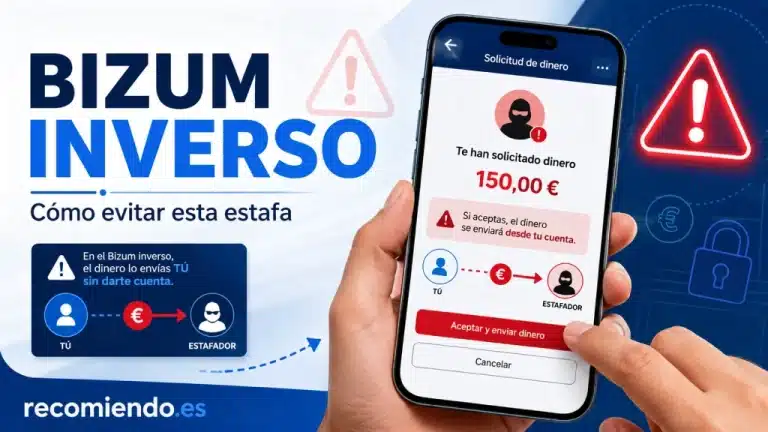
Problems on social media can include identity theft, cyberbullying, kidnapping, sexual abuse, scams, information theft, harassment, and more. None of these situations should be taken lightly. Because we're committed to offering readers useful advice, we've put together a list to help make your social media experience as safe and useful as possible.
1. Learn about the platforms: social media platforms are designed to be intuitive and easy to use. That's why most people don't spend much time learning about them before getting started. Most users create a profile and then explore the features as they go, without even taking a quick look at the terms and conditions.
An important way to avoid unpleasant surprises is to read the privacy section for the social networks you use. Before clicking a small box to say you agree, take a moment to read what you're agreeing to.
2. Stay up to date: One feature that has kept social media relevant since its early days is the constant addition of new features. This ongoing evolution has been an important part of its success.
Users don't always welcome these new features and changes, but you can avoid being caught off guard by keeping up with them and learning how to use them (they're likely to be useful to you). Pay attention to announcements that appear when you open the app or website after changes take effect.
These announcements usually appear at the top of the home page or in a pop-up window. Don't ignore them—they may contain important information about new updates.
3. Be selective about what you share: As mentioned above, no one is immune to the risks that come with social media. That's why it's important to think carefully before posting, bearing in mind that you don't know everyone who will see your posts.
Even if your account is private—which you can choose if you want to share very personal information and don't feel secure—other people may still be able to access that information, so it's best not to put too much trust in privacy settings.
Avoid posting photos of the outside of your home, your home or work address, information about the school your children attend, details about your car, how much money you earn, the places you visit most often, and similar information.
Don't post that you're going on vacation either, as criminals may take advantage of information you share without thinking to commit crimes.
4. Manage your privacy settings: When you post on Facebook or Snapchat, you can choose whether anyone can see it, only your friends, or everyone except specific people. Instagram Stories offer this option too.
It's important to take responsibility for managing your privacy. Platforms now offer many options, and it's up to us to configure them.
5. Be kind: there are real people behind every social media profile (except bots). Keep that in mind before posting hateful messages that can have serious consequences for the people who receive them.
It's much easier to speak without holding back when you don't have to say things face to face, but that doesn't make it okay. Before posting a hateful comment about someone you know or a stranger, ask yourself whether you'd have the courage to say it to their face and whether the comment is worth making. If the answer to either question is no, it's best not to post it.
If you're being harassed on social media, remember that you matter. Don't let other people's opinions about you define your self-worth; what matters is how you see yourself. To build your self-esteem and improve your self-image, read this list of books on self-esteem.