This time, we'll discuss the advantages and disadvantages of social media. Today, social media has become an integral part of our lives, changing the way we communicate and interact with one another. On the one hand, these platforms allow us to connect with people around the world and share information instantly; on the other, they can also pose certain risks to our security and privacy. Join me to find out more about this topic!

The dual nature of social media: How can it benefit and harm us at the same time?
Social media can be both beneficial and harmful at the same time. On the one hand, it allows us to connect with people around the world and share valuable information; on the other, it can affect our privacy and security. In addition, excessive social media use can cause mental health problems such as anxiety and depression. It is therefore important to use social media cautiously and in moderation, and to be aware of the risks it can pose.
Related questions about the pros and cons of social media
What are the main advantages of social media, and how has it changed the way we interact and communicate with others today?
Social media has revolutionised the way we interact and communicate with others today.
The main advantages of social media include the ability to connect and communicate instantly with people anywhere in the world, as well as to share information, resources and opinions quickly and easily. Social media has also become an essential tool for digital marketing and promoting products, services and ideas.
However, it also has some disadvantages, such as the spread of false information or fake news, the excessive exposure of personal information and social media addiction.
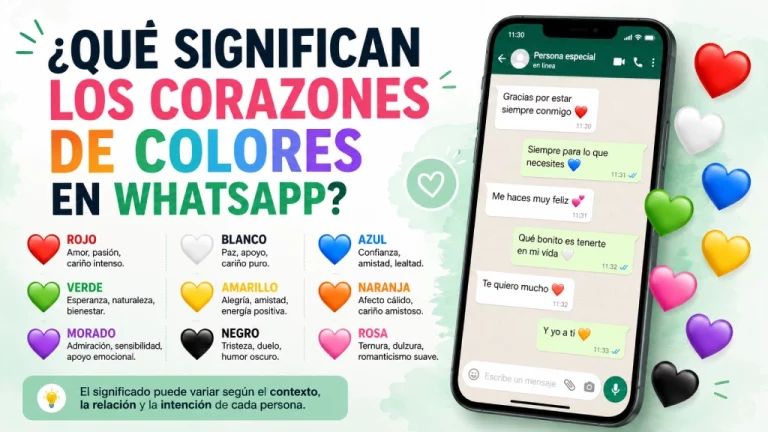
As for the way social media has affected how we interact and communicate with others, it has radically changed how we relate to the world. It is now possible to stay in constant touch with friends and family, even when they live far away. Social media has also created new forms of communication, such as emoticons and acronyms, which are used to express emotions and thoughts more quickly and concisely.
In summary, social media has had a significant impact on our lives, both positive and negative, and remains a powerful tool for communication, connection and promotion in the digital age.
What are the disadvantages of using social media, including the spread of false information, online harassment and the negative impact on our mental health and well-being?
Social media has several disadvantages that should not be ignored. One of the main ones is the spread of false or malicious information, which can often lead to confusion and chaos. Fake news can spread quickly on social media, with potentially serious consequences for issues such as public health and politics.
Another disadvantage is online harassment. People can be subjected to harassment, intimidation and threats on social media, which can have a profound effect on their mental and emotional well-being. This can be particularly difficult for children and young people who lack the tools to deal with online harassment.
Finally, excessive social media use can also have a negative impact on our mental health and well-being. People can develop problems behind the screen, such as anxiety, depression, low self-esteem and addiction. This can be especially difficult for those who already have mental health conditions.
In summary, using social media can bring many benefits, but it is important to recognise its disadvantages and be careful when interacting with these platforms. We should be critical of the information we see online, report harassment and take steps to improve our mental health and well-being.
How can brands and businesses make the most of social media’s advantages and overcome its disadvantages to reach their audience effectively and positively?
Brands and businesses can use social media to reach their audience effectively and positively, but it is important to consider both the advantages and disadvantages of these platforms. First, the advantages of social media include access to a large audience, the ability to interact directly with customers, increased brand awareness and the ability to get comments and feedback in real time. However, there are also disadvantages to address, such as the risk of receiving negative comments or criticism, the difficulty of maintaining a consistent presence across multiple platforms and the need to balance brand promotion with authentic, relevant content for the audience.
To overcome these drawbacks, brands and businesses should focus on developing a solid social media strategy. This means choosing the right platforms to reach their target audience, setting clear and measurable goals, creating relevant and engaging content, and monitoring and responding to public comments promptly and effectively. It is also important to strike a balance between promoting the brand and sharing authentic, useful content with the target audience. By doing so, brands and businesses can make the most of social media while minimizing the risks and reaching their audience in an effective, positive way.
Conclusion
In conclusion, social media is an increasingly common tool in our society, whether for connecting with friends and family, sharing information, or promoting our brands and products. However, it also has drawbacks, such as increased exposure to inappropriate content, addiction, a lack of privacy, and the spread of misinformation. It is therefore important to use social media responsibly and mindfully, understanding both its benefits and its limitations. With education and moderation, we can make the most of social media while minimizing the risks.